
New To Watches? Here's A Glossary To Help You Speak The Language
80 watchmaking terms, explained for those who are new to the hobby.

Find yourself in the company of watch-loving geeks, and the conversation can turn foreign fast.
One guy mentions a COSC-certified calibre. Another gushes over a flyback function, and yet one more chimes in about dial finished in guilloché. They carry on as though all of it were self-explanatory. To the seasoned collector, it is. To everyone else, getting a grasp of watchmaking’s vocabulary can feel like running into constant headwinds.
But it shouldn’t.
Most of these terms describe something tangible: a part you can see through a sapphire caseback, a function you can operate with a pusher, a decorative technique that catches the light.
Learn the words, and you begin to see the watch itself more clearly. You will also be better placed to judge what you are paying for, and to tell genuine craft from marketing gloss.
Read on for a working glossary of the terms you are most likely to meet in boutiques, at auction, and on Opuleon.
It is not exhaustive, and it is not meant to be read in one sitting. Bookmark it, return to it whenever a word stops you short, and in time you will find you need it less and less.
Analogue
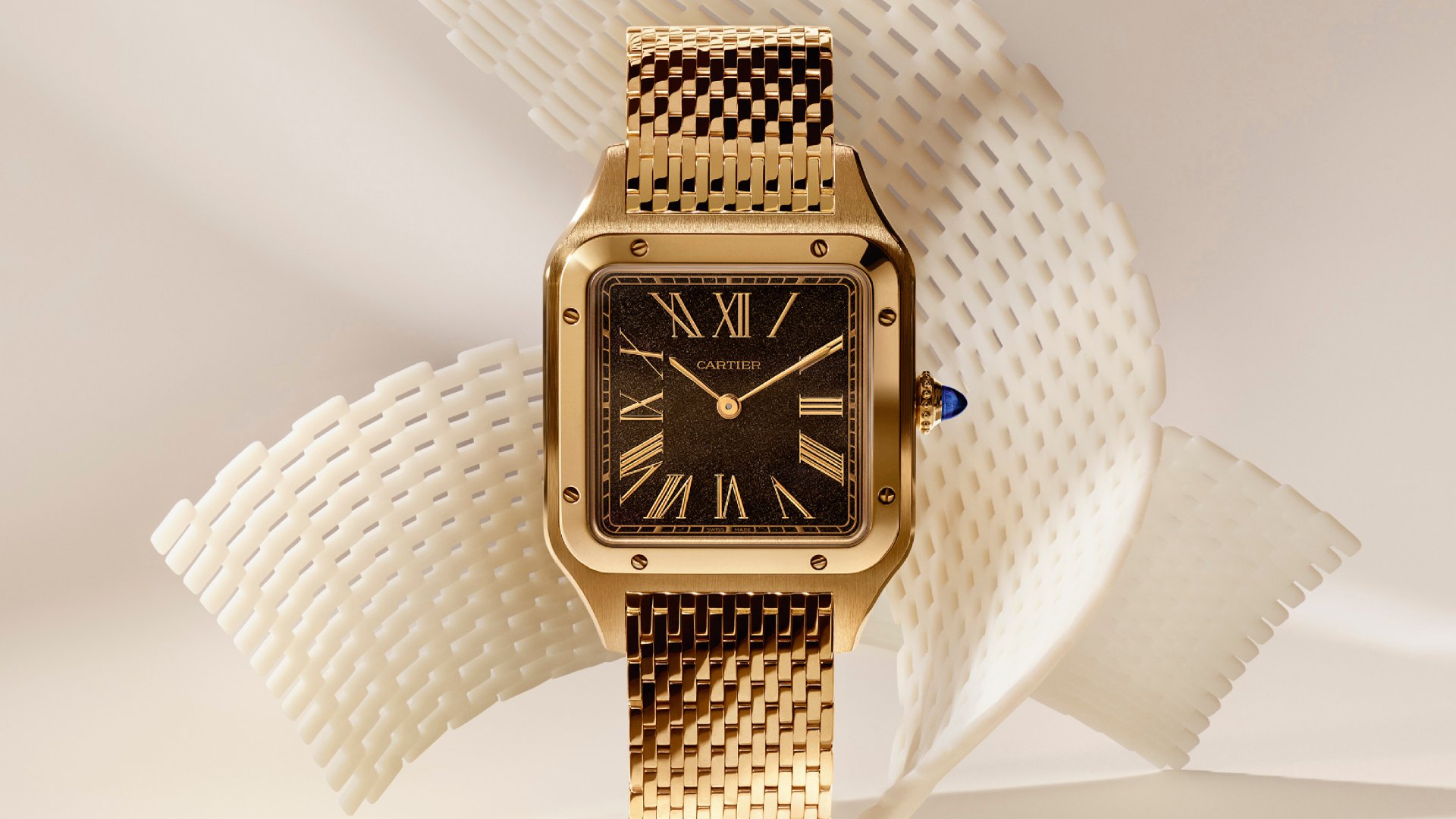
The old-school way of using hands on a watch or clock to tell the time.
Annual Calendar
A watch that displays the time, day, date, and month. An annual calendar also automatically calculates and displays the correct long and short months (i.e. months with ‘30’ and ‘31’ days). However, it does not do so for the month of February, which has 28 days (or 29 days, if it is a leap year). As such, you need to set the date manually on 1 March each year.
Anti-Magnetism
The ability of a watch to resist magnetic interference, such as from electronic devices like laptops and television sets, so as to maintain accurate timekeeping.
Aperture
The opening on a watch’s face (or ‘dial’) that displays information such as the day, date, moon phase, or other technical features.
Automatic
A type of mechanical watch that automatically winds itself when you wear it. (See: Explained > Movement)
Balance
A component in a mechanical watch that is vital to its accuracy. The balance comprises a balance wheel and, within it, a balance spring. Together, they rotate one way, then the other, in a motion known as ‘oscillation’, to regulate the watch’s timekeeping accuracy. (See: Explained > Movement)
Barrel
A component in a mechanical watch that stores the energy needed to power the watch. Inside the barrel is a component called the ‘mainspring’, which coils up when the watch is wound, thus generating the power to drive the watch.
Bezel
An outer component that frames the watch’s crystal and dial. A bezel can be plain, inscribed with additional markings such as 24-hour markers, or come with inserts that add to the watch’s functionality, like ceramic inserts with countdown dive markers on dive watches.
Bi-compax
Refers to the layout of a watch dial comprising two, often symmetrically placed, sub-dials. It is typically used to describe chronographs with two sub-dials.
Bracelet
A series of metal links and a clasp attached to a watch’s case, which allows you to wear the watch.
Bridge
A piece of a mechanical watch’s movement that serves as a base, or helps to secure other smaller parts in place.
Calibre/Caliber
Another term for ‘movement’.
Case
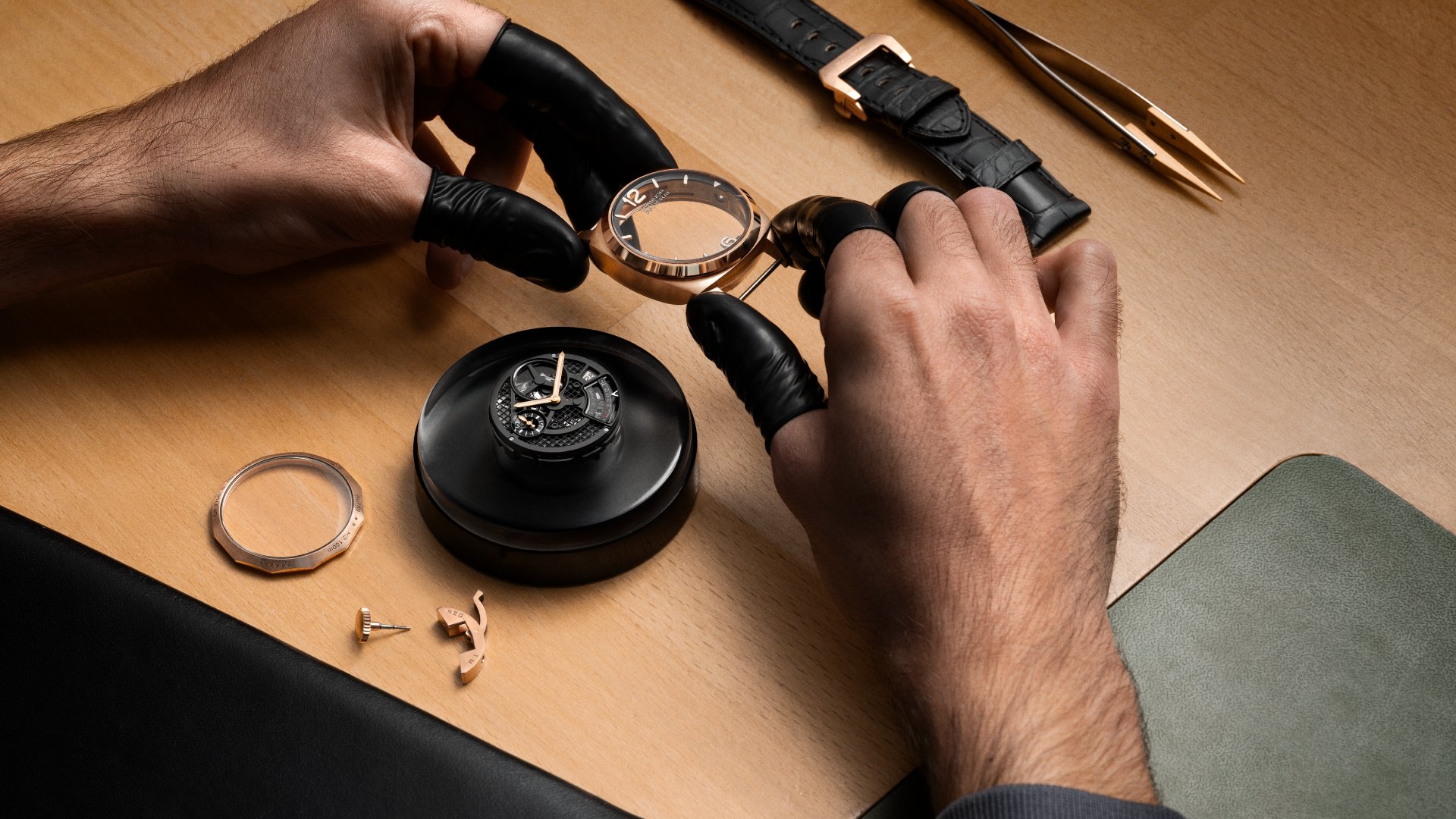
The main housing of the watch. A case can be constructed in multiple parts, or crafted as a single block (known as a ‘monobloc’ case). A watch’s case comprises a bezel, crystal, lugs, crown, and, depending on the type of timepiece, sliders and pushers.
Caseback
The back part of a watch case. A caseback may be solid, or transparent to display the watch’s movement inside.
Chiming Watch
A type of high-end complication that can sound out the time upon activation.
Chronograph
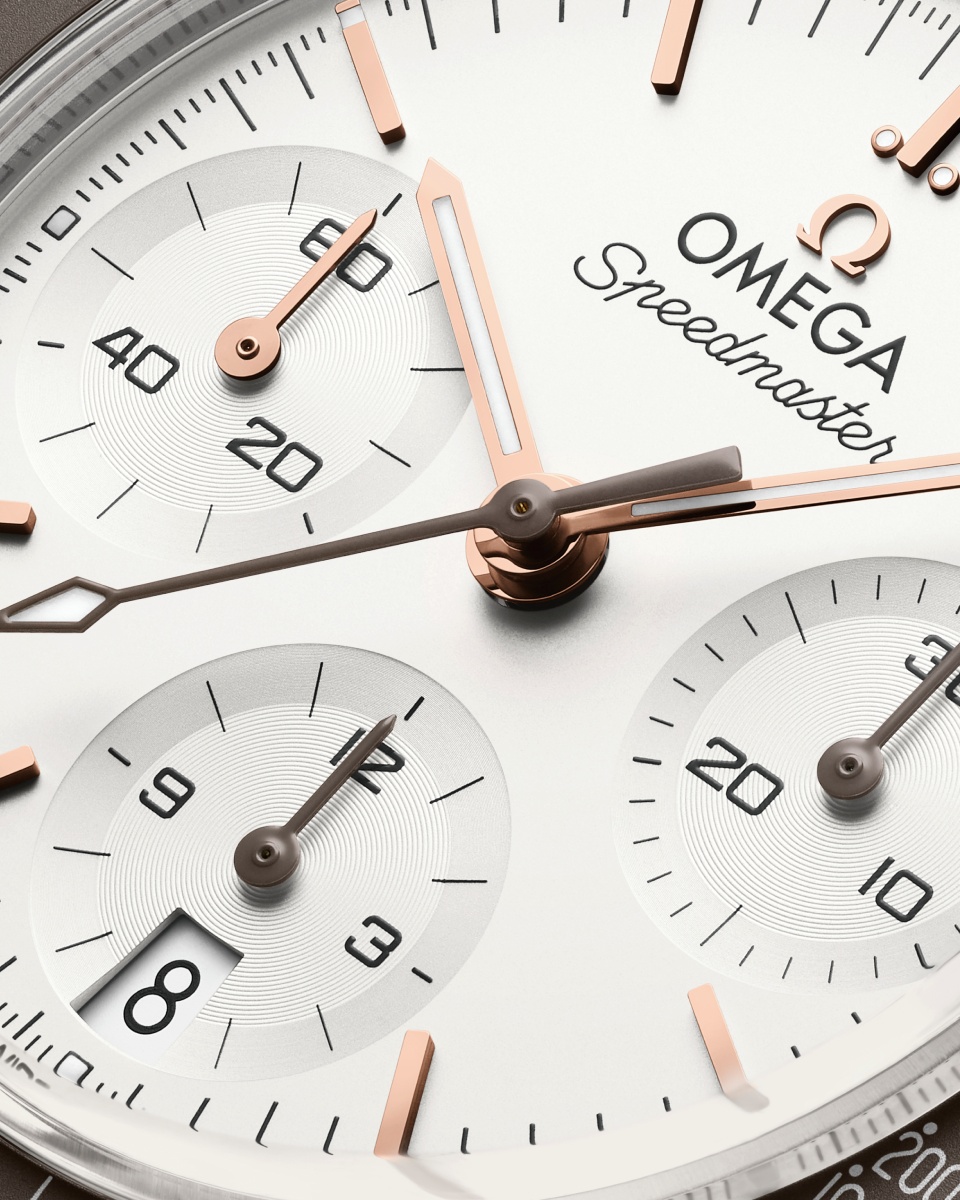
Sort of like a stopwatch, a chronograph lets you measure time in intervals. It usually comes with pushers to activate, stop, and reset the function, and features sub-dials to record and display the interval timings. (See: Complications)
Chronometer
A highly precise watch that meets stringent accuracy standards. A chronometer-level watch needs to be certified. Both mechanical and quartz movements can be certified as chronometers.
Clasp
The component on a bracelet or strap that secures the watch to the wrist.
Complications
Complications refer to the technically advanced and innovative features and functions found on mechanical watches, on top of regular timekeeping. Complications can be minor ones, such as a date display, or more major ones, such as chronographs, tourbillons, minute repeaters, and perpetual calendars. The latter examples are also referred to as ‘high complications’.
COSC
One of the most widely encountered chronometer certifications is ‘COSC’. It stands for ‘Contrôle Officiel Suisse des Chronomètres’, a third-party Swiss testing laboratory that tests the movements and issues the chronometer certifications. Each movement is tested over 15 days, in five positions and at three temperatures.
Côtes de Genève (Geneva Stripes)
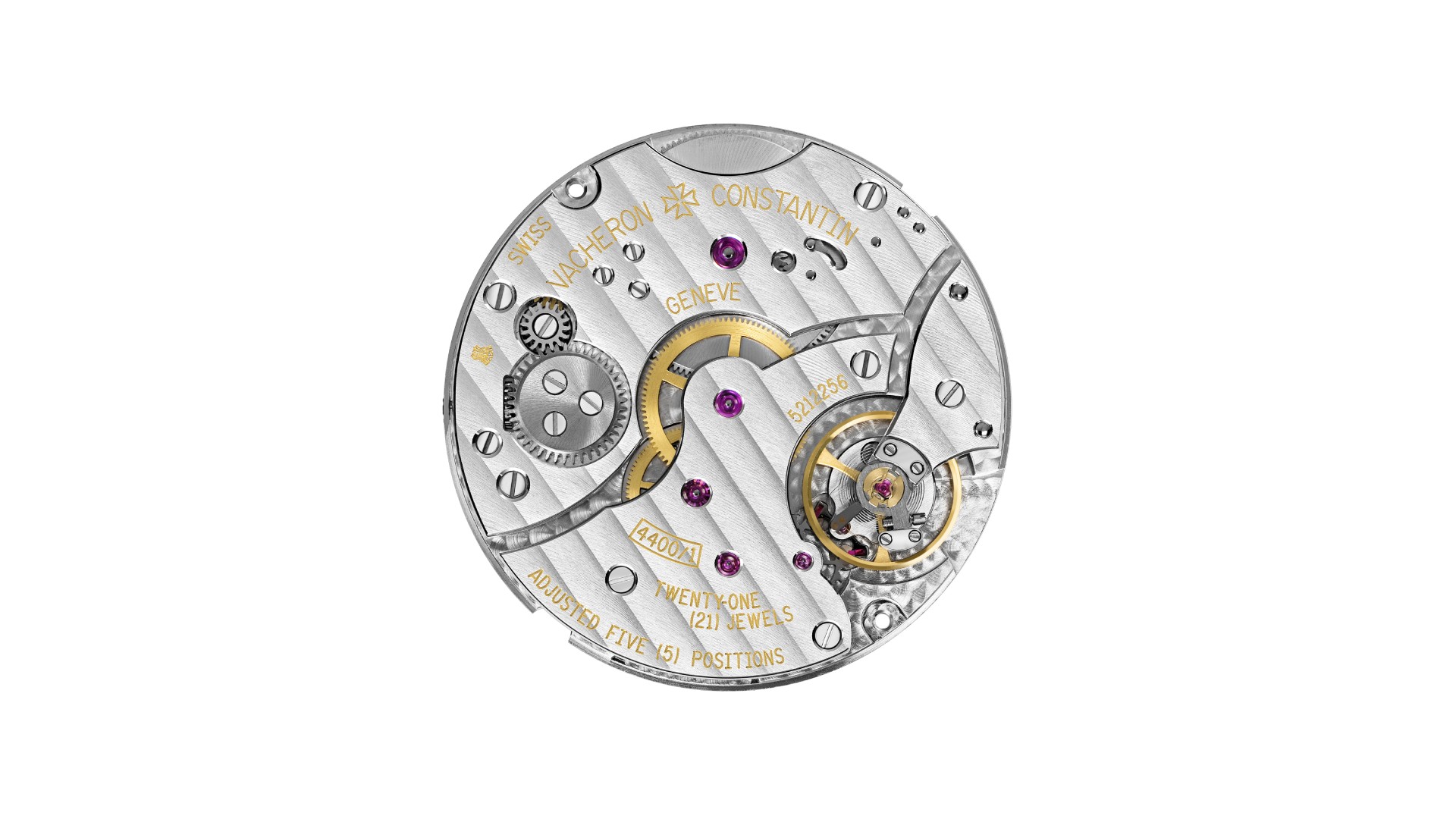
A type of decoration, distinguished by exacting and parallel stripes, typically seen on the movement parts of high-end watches.
Crown
The component that protrudes at the side of a watch’s case that is used to wind up the watch’s movement or make adjustments to its displays.
Crystal
The transparent layer of material affixed to the front of the case to protect the dial. Most watches feature one of three types of crystals: sapphire, mineral glass, and plexiglass.
Deployant Clasp
A type of clasp that features a fold-over system that opens and closes the strap without needing the user to unbuckle the strap.
Dial
The ‘face’ of the watch. A dial comprises all the necessary features and parts needed to indicate the time and display the watch’s additional features.
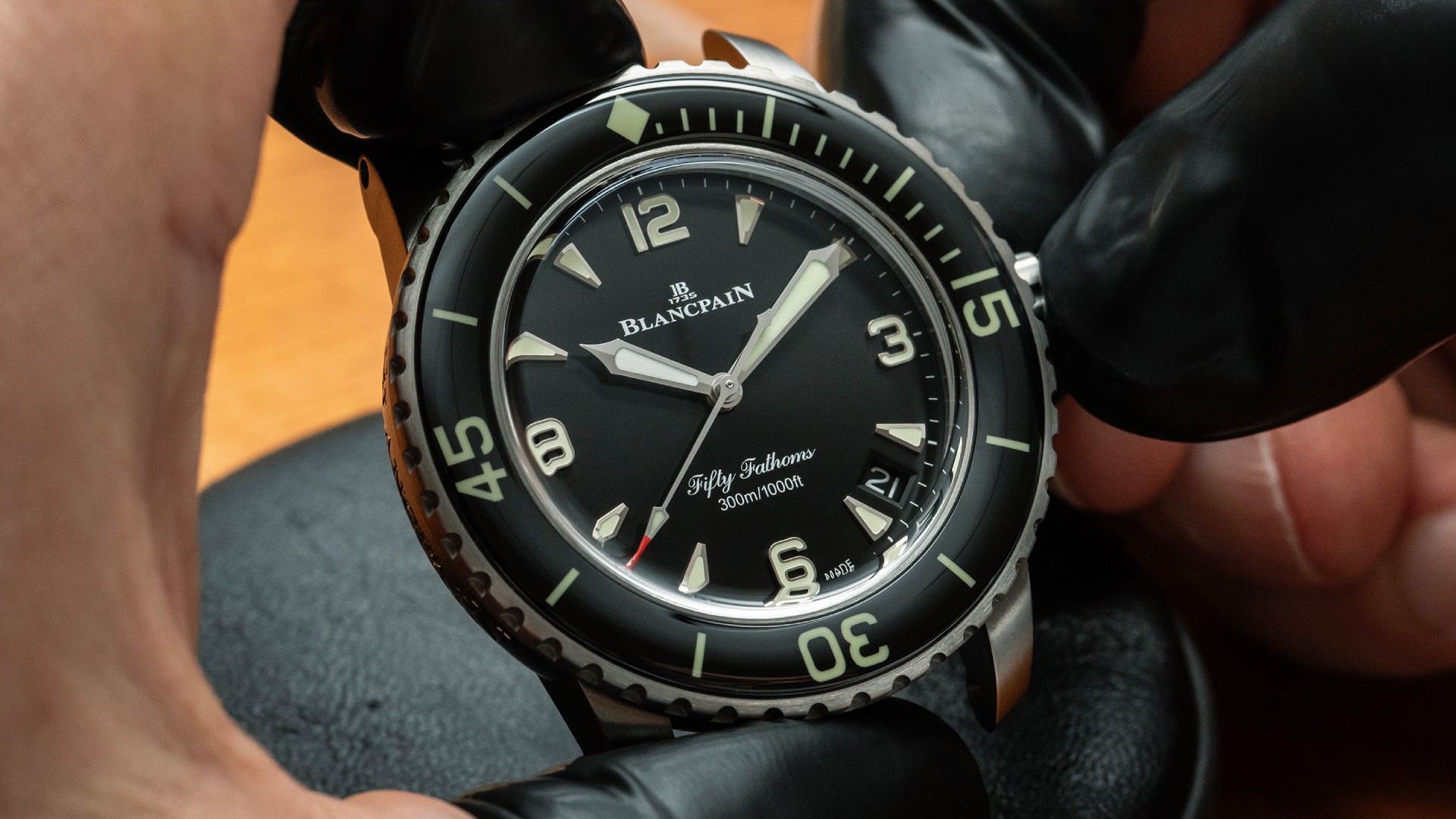
Dive Watch
A highly water-resistant and robust watch that is made to withstand underwater use. The official criteria for a dive watch, as listed by ISO 6425, include water resistance of at least 100m, a unidirectional rotating bezel, and legibility at 25cm in the dark.
DLC
Short for ‘Diamond-Like Carbon’. DLC is a type of black carbon coating that is increasingly used on watch cases and bracelets.
Engine-Turned
A traditional decorative technique that involves using hand-operated machines to carve intricate patterns on cases, dials, bezels, and movements. Another term for engine-turned is ‘guilloché’.
Escapement
The heartbeat of any mechanical watch. The escapement is responsible for regulating and distributing the energy within the watch’s movement, so that the watch keeps accurate time. The escapement comprises three key components: the balance wheel, the escape wheel, and the escape lever.
ETA
One of the world’s largest suppliers of watch movements, from simple quartz calibres and basic three-hand movements to complications like annual calendars and chronographs. ETA is a subsidiary of the Swatch Group, a watch conglomerate overseeing brands like Breguet, Omega, Longines, and Tissot.
Finishing
The final level of application on individual parts of a watch to enhance and elevate its appearance. Common finishes include polished, matte, and brushed finishing, which can be applied to anything from cases to dials and hands.
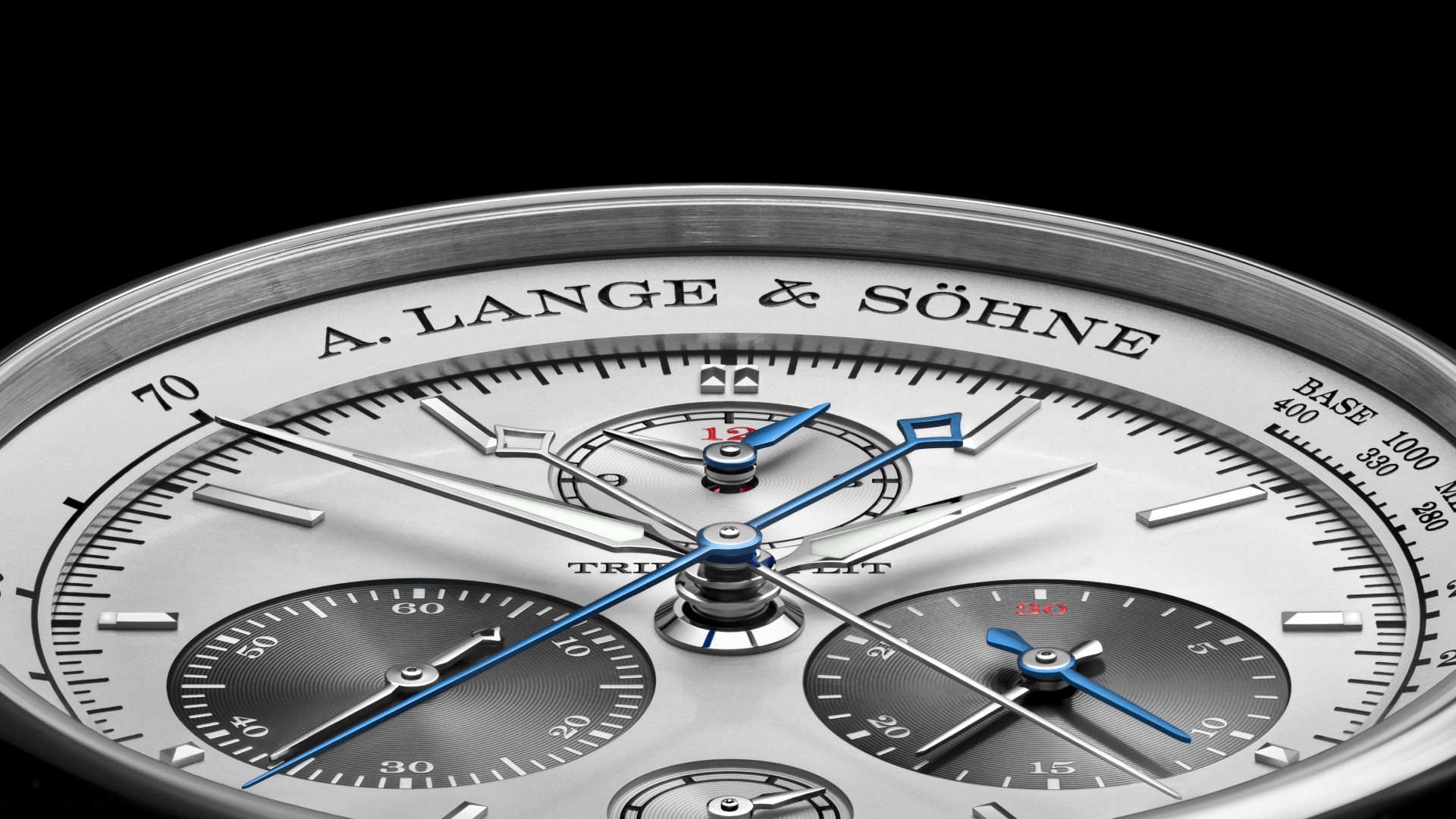
Flyback Chronograph
A chronograph that allows the user to instantly reset and start the chronograph function at the push of a button. The instantaneous snapping back of the seconds hand to the zero position is what gives the ‘flyback’ function its name.
Frequency
Refers to the oscillating speed of a movement. A watch’s frequency is determined by how many oscillations the balance wheel makes within a set period. It is expressed in vibrations per hour (vph) or hertz (Hz). The most common frequency in a mechanical watch is 28,800vph, or 4Hz.
Gear Train
A series of linked gears that helps transfer power from the mainspring to the escapement.
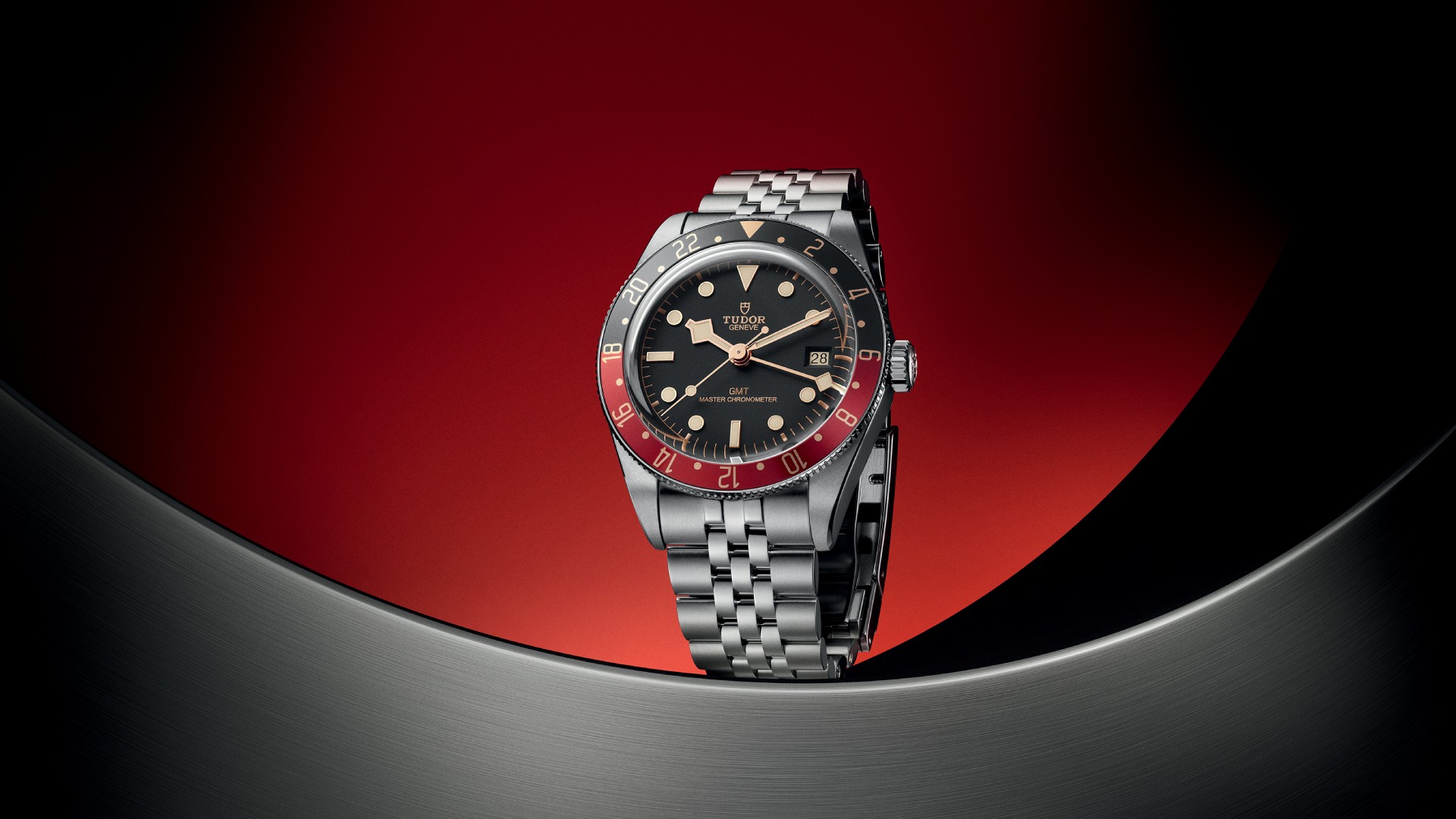
GMT Watch
A travel watch that displays two or more time zones at once. GMT stands for ‘Greenwich Mean Time’, a globally accepted standard of time reference derived from the yearly average (or ‘mean’) of the time each day when the sun crosses the Prime Meridian at the Royal Observatory Greenwich.
Grand Complication
An extremely high-level technical watch that comprises multiple complications. While opinions may differ over the types of complications needed to make up a grand complication, it is generally accepted that the watch needs to include at least a minute repeater, perpetual calendar, and chronograph.
Guilloché
Same as ‘engine-turned’. Guilloché is the French term for the ancient decorative technique of using hand-operated machines to engrave patterns on watch parts.
Hacking Seconds
A feature that allows you to stop the watch’s seconds hand from moving when you pull out the crown. Useful for synchronising two watches. Also known as ‘stop seconds’.
Hairspring
Also known as a ‘balance spring’, the hairspring is a thin, spiral spring attached to the inner frame of the balance wheel. The hairspring controls the recoil of the balance wheel, and its length, type, and adjustment will impact the precision of the watch.
Hand-Wound/Manual-Winding
A mechanical movement that requires you to manually wind the watch via the crown for it to start working.
Haute Horlogerie
A term used to describe high-end luxury watches and watchmaking.
Helium Escape Valve
A one-way valve found on some professional dive watches, built for saturation divers. These divers spend prolonged periods underwater, and in pressurised chambers filled with a helium-rich breathing mixture. As such, helium atoms are small enough to seep past a watch’s gaskets. During decompression, the trapped helium cannot escape as quickly as the surrounding pressure drops, and the build-up can force the crystal off the case. The valve releases it safely.
In-House
An expression for watches or movements that are developed, manufactured, and produced entirely by the company. As most watch companies rely on third-party suppliers for their parts, a brand that is able to produce its timepieces in-house is typically esteemed for its production prowess and stature.
Index/Indices
Markers on the dial to indicate the hours and minutes.
Jewels
Not to be confused with precious stones. In the context of watch movements, jewels refer to smooth synthetic stones that are used to hold moving parts in place.
Links
Metal parts that join to make up a watch’s bracelet.
Lubrication
Essential to all watch movements. Watchmakers apply special lubricants at various parts of the movement to reduce friction, and ensure the efficiency and longevity of the moving parts.
Lugs
The protruding arms at the top and bottom of the case that hold the bracelet or strap.
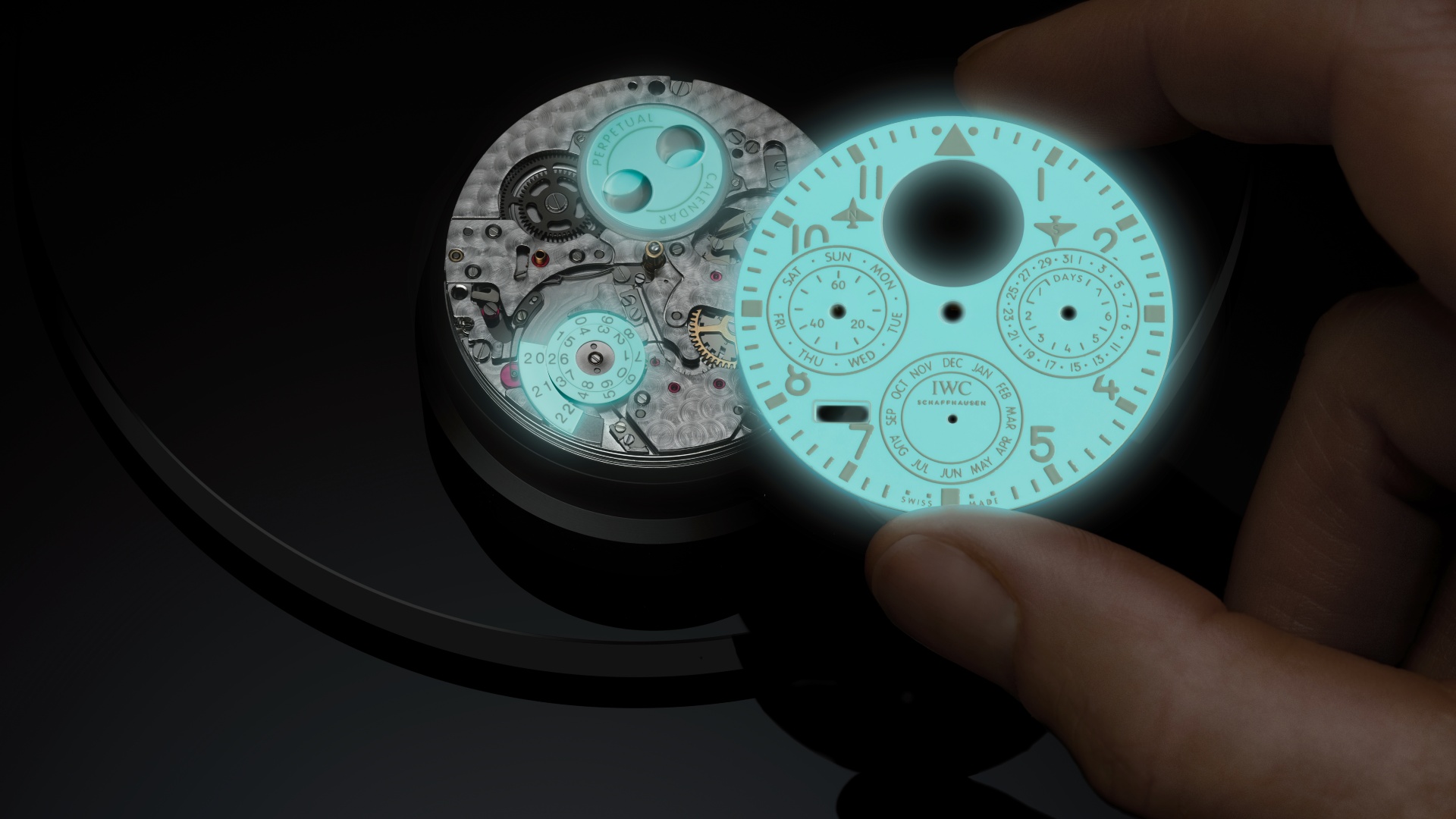
Lume
Refers to the luminosity of the watch’s hands, indices, and displays.
Mainplate
The metal base of a watch movement upon which all other components sit.
Mainspring
A thin strip of metal coiled up inside the barrel of the movement. When you wind a mechanical watch via the crown, or when the movement’s rotor swings, the mainspring coils tighter to store energy required to power the watch.
Master Chronometer
A certification run by METAS, the Swiss Federal Institute of Metrology, that goes further than a standard chronometer rating. Only COSC-certified watches qualify. Where COSC tests the uncased movement to −4/+6 seconds a day, METAS tests the finished watch to 0/+5 seconds, and adds resistance to magnetic fields of 15,000 gauss.
Tourbillon
Mechanical Watch
A watch comprising only mechanical parts. On the inside, a mechanical movement drives the watch, allowing it to display the time as well as other features. Mechanical watches can be automatic or hand-wound.
Minute Repeater
A high-end complication that chimes the hours, quarter hours, and minutes on demand.
Monopusher Chronograph
A type of chronograph that allows you to stop, start, and reset the chronograph function with a single button.
Moon Phase
An astronomically inspired display that charts the journey of the moon.
Mother-of-Pearl
An iridescent material used to decorate watch dials. Mother-of-pearl is derived from the inner shell of freshwater molluscs, and comes in a variety of colours.
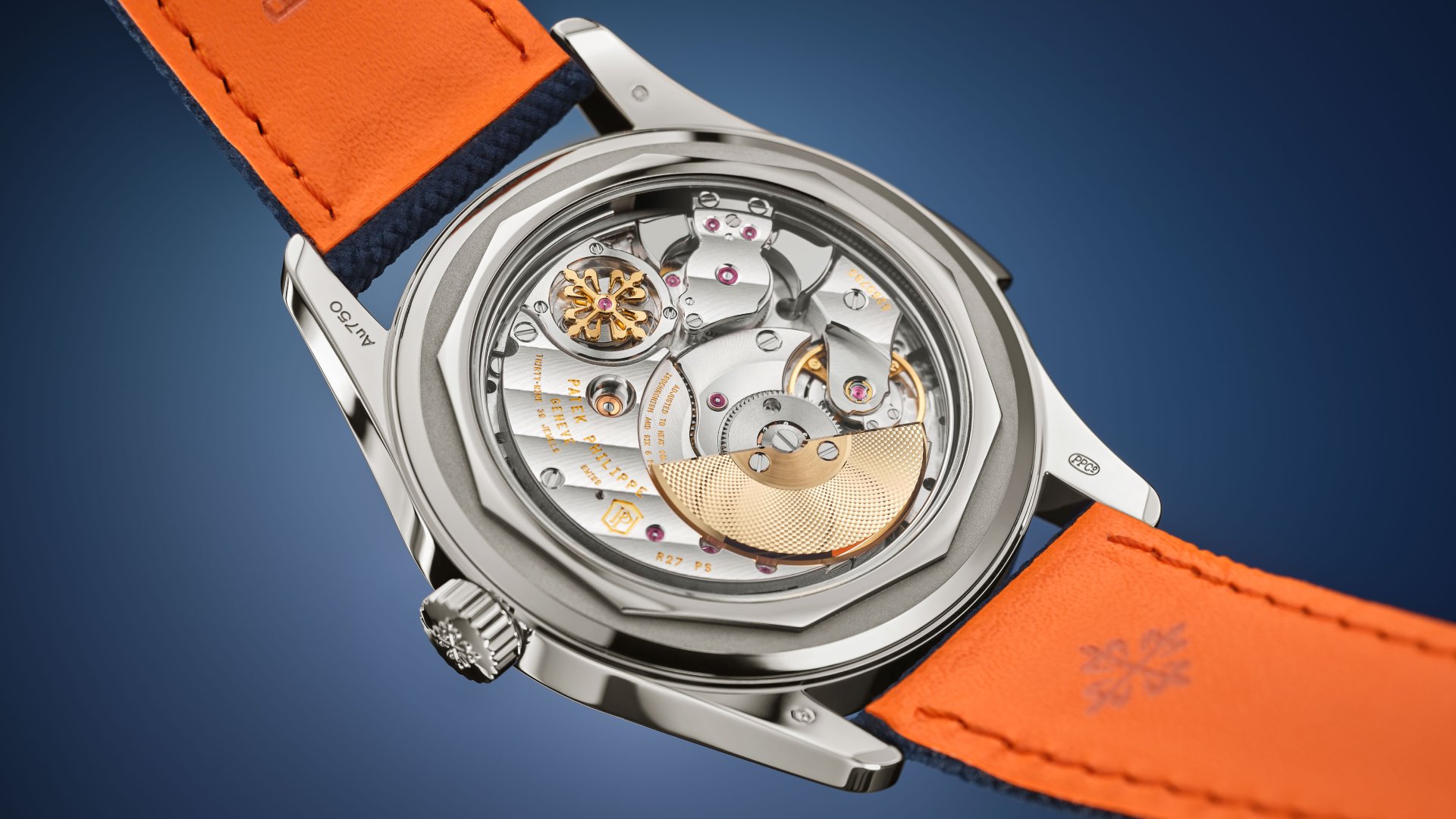
Movement
The backbone and engine of any watch. A movement comprises a system of gears, wheels, springs, and many other components, working in sync to indicate the time, as well as additional displays with precision and efficiency.
NATO Strap
A type of nylon fabric strap that is extremely hardy and comes in a variety of colours and styles. While it seems trendy, the NATO strap debuted back in 1973, developed by the British Ministry of Defence for its soldiers to use in the field. The name ‘NATO’ comes from the NSN (NATO Stock Number) used when ordering the strap.
Perpetual Calendar
A high-end calendar complication that automatically calculates and displays the time, day, date, month (including the 28-, 29-, 30-, and 31-day months), and leap years.
Power Reserve
Refers to the maximum available energy that can be stored in a mechanical watch. Most mechanical watches offer between 36 and 40 hours of power reserve. More advanced watches can offer up to three, seven, or more days of power reserve.
Pulsometer
A scale used to measure heart rate.
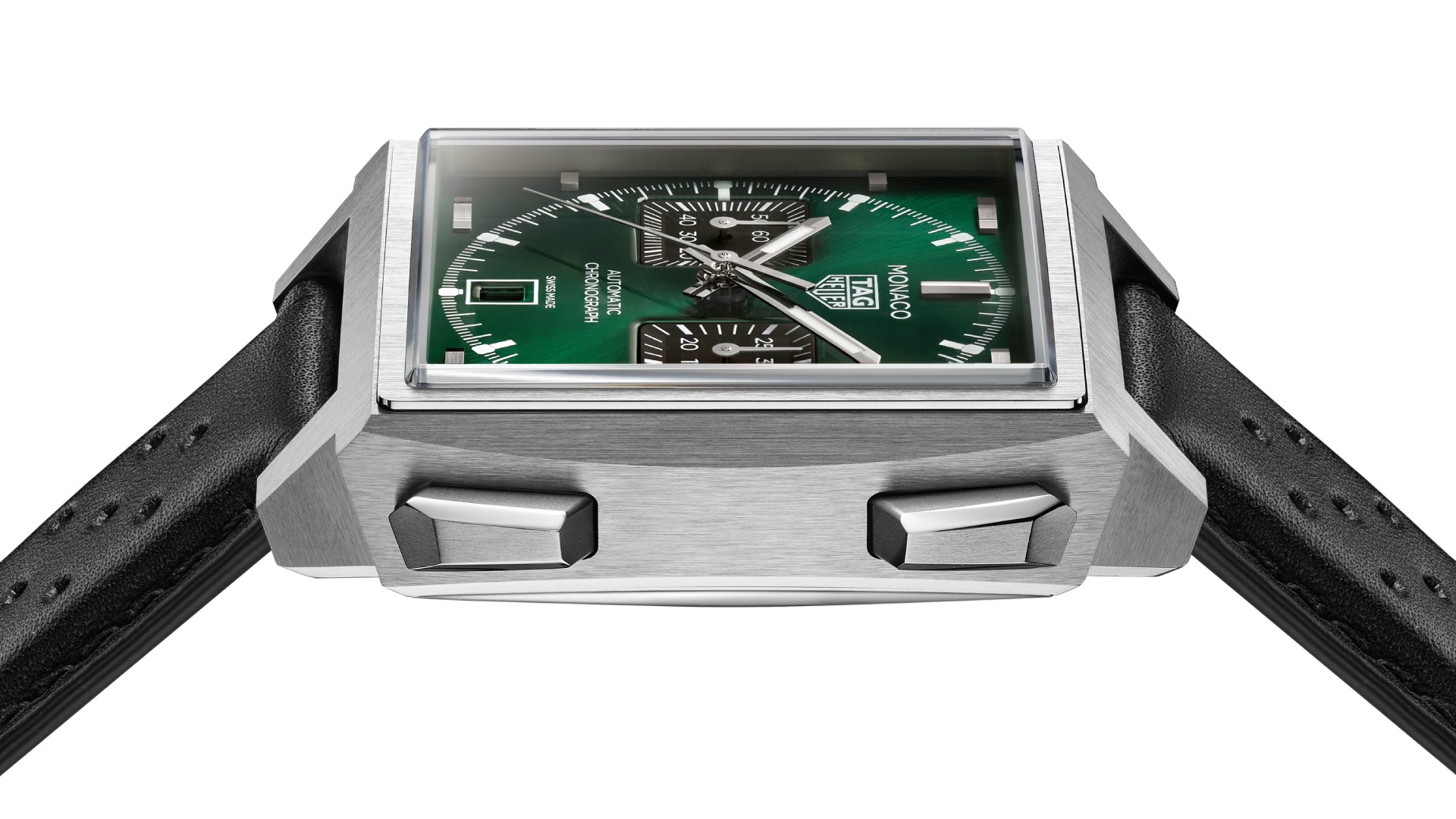
Pushers
The external parts on a watch case used to actuate specific functions, such as chronograph timers.
PVD
Short for ‘Physical Vapour Deposition’, a coloured coating applied to watch cases and bracelets.
Quartz Movement
Introduced commercially in 1969, quartz movements are battery-run movements. They are cheaper to produce and more accurate when compared with mechanical movements. However, they are also regarded as less horologically authentic than mechanical movements.
Rattrapante (Split-Seconds) Chronograph
An advanced chronograph featuring two centre seconds hands, one on top of the other. It allows you to measure split timings. For example, when you start the chronograph, the two hands run concurrently. But if you decide to measure a second lap while the chronograph is still running, you can activate the split-seconds mechanism, which stops the top chronograph hand while the bottom hand continues running.
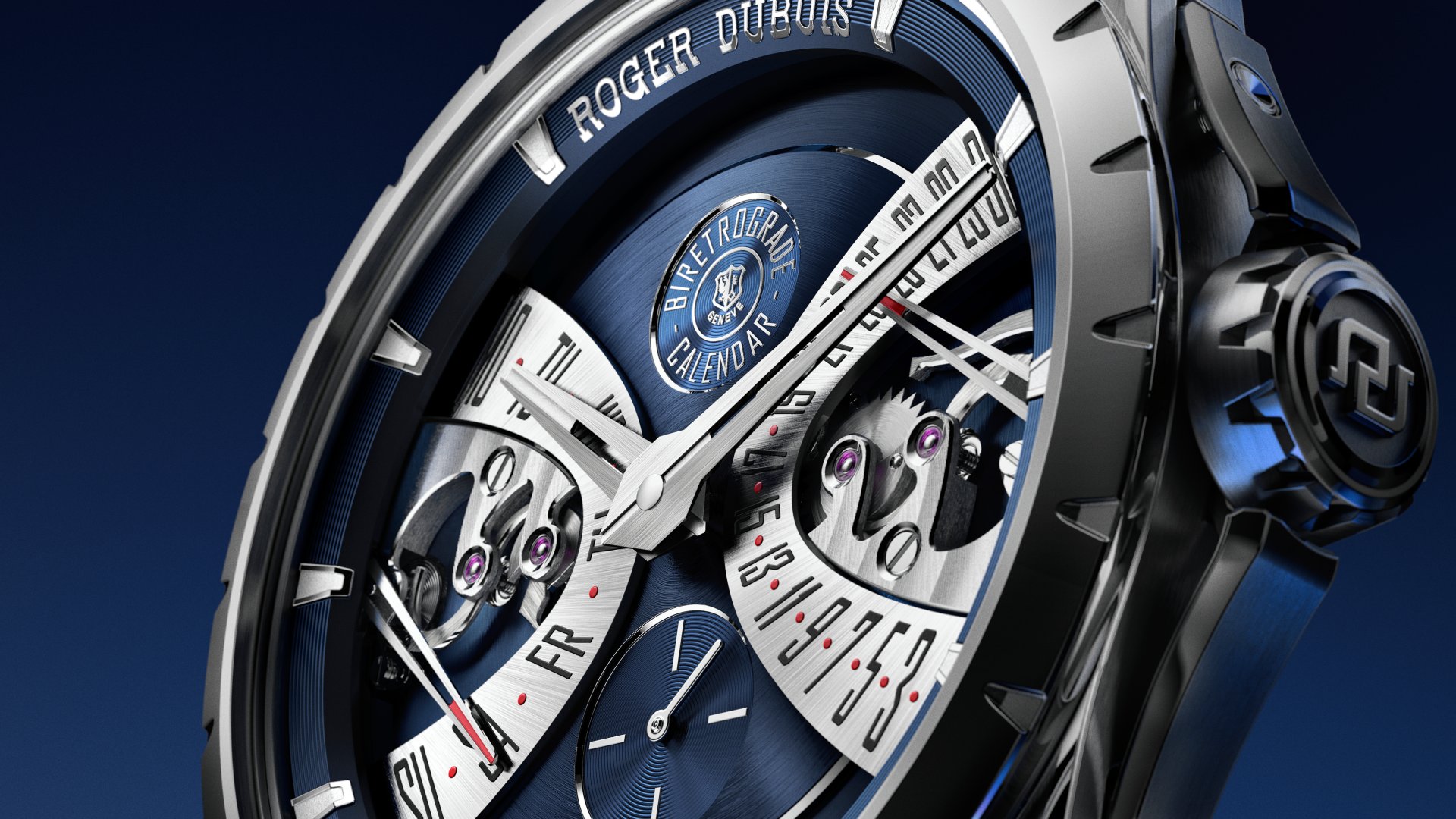
Retrograde
A time-telling display using a scale that shows the hand moving across from a start to an end point.
Rotor
Found on automatic movements. A rotor (or ‘oscillating weight’) is a weighted metal component that spins when you wear the watch and winds up the mainspring.
Sapphire Crystal
Sapphire is a highly scratch-resistant synthetic material that is commonly used to protect watch dials and casebacks today.
Screw-Down Crown
A type of crown typically featured on watches with high water resistance that requires you to secure the crown by screwing it back into the case after using it.
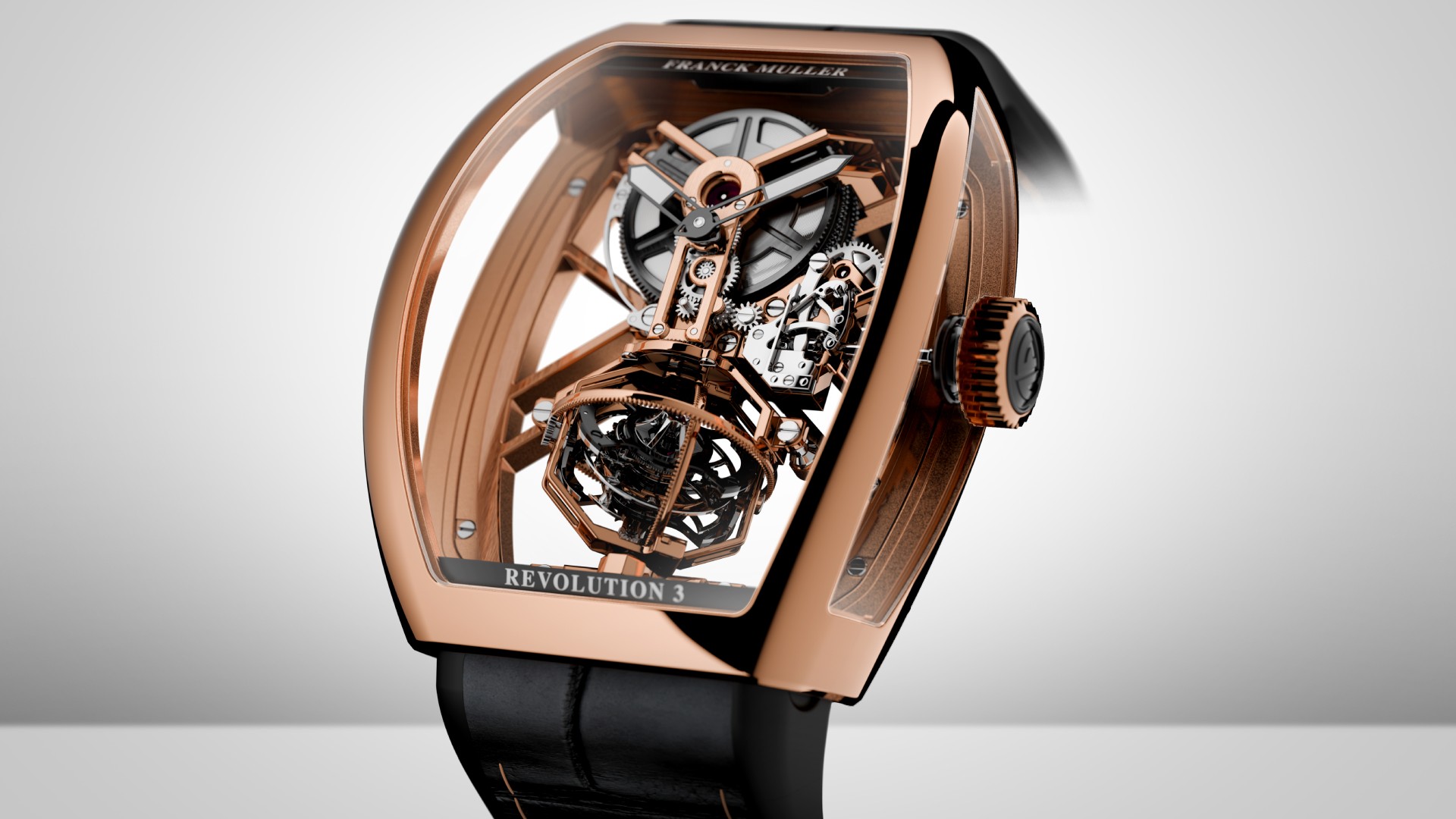
Skeleton
A type of decorative technique whereby metal on a watch’s dial or movement parts is removed, leaving only a skeletal frame that reveals the inner workings.
Spring Bar
Spring-loaded contraptions that are used to secure the strap or bracelet to the lugs.
Sub-dial
A small, subsidiary dial within the main dial that displays additional information, such as seconds, power reserve, or chronograph counters.
Super-LumiNova
The go-to brand for luminescent material that is applied on watch hands, markers, and dials. Super-LumiNova comes in a variety of grades and colours.
Sweep Seconds Hand
A distinguishing characteristic of a mechanical watch, the smooth motion of a sweep seconds hand is the result of it ticking five or more times per second.
Tachymeter
Commonly found on the outer dial or bezel of racing and racing-inspired watches, a tachymeter scale is used to calculate speed.
Totaliser
A chronograph sub-dial that tracks elapsed time when the chronograph is activated.
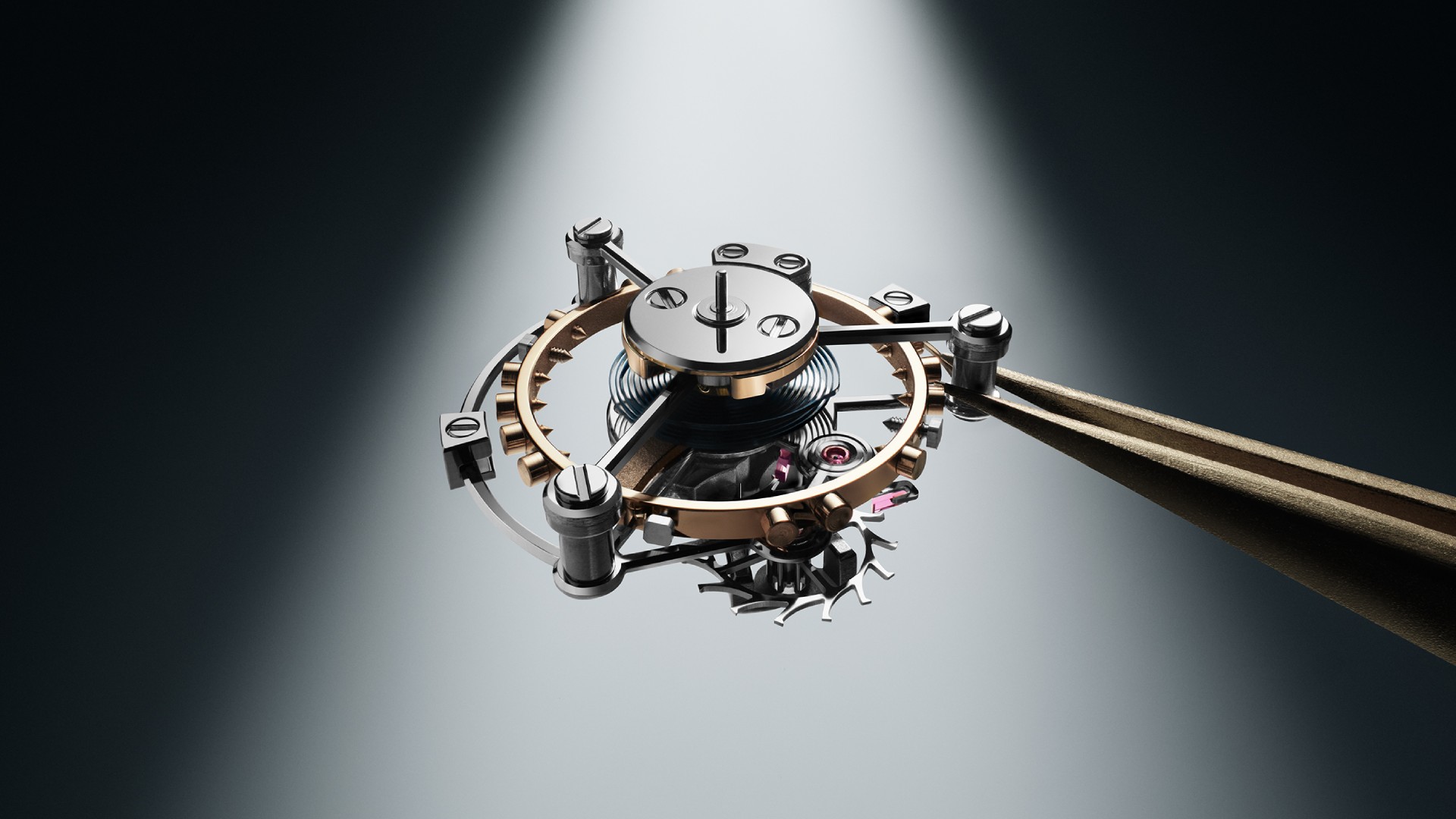
Tourbillon
A high-end complication patented by Abraham-Louis Breguet in 1801. A tourbillon houses a mechanical watch’s escapement and balance in a rotating cage, which typically completes one revolution per minute. Breguet designed it for pocket watches, which sat upright in a waistcoat pocket for most of the day, so that gravity tugged on the balance from the same direction. By rotating the escapement continuously, the tourbillon averages out the timing errors caused by that pull. On a wristwatch, which changes position constantly, its practical benefit is debated; today it is prized chiefly as a showcase of watchmaking skill.
Water Resistance
A watch’s ability to keep water out, expressed in metres, bar, or atmospheres. The rating reflects static pressure in laboratory tests, not a safe diving depth: 30m means splash-resistant, 100m suits swimming, and 200m or more is the usual threshold for diving.
World Timer
A high-end travel complication that allows you to tell the time across 24 world cities simultaneously.