
What Makes A Good Watch?
Disclaimer: It is not about how much it costs.
“Is this a good watch?”
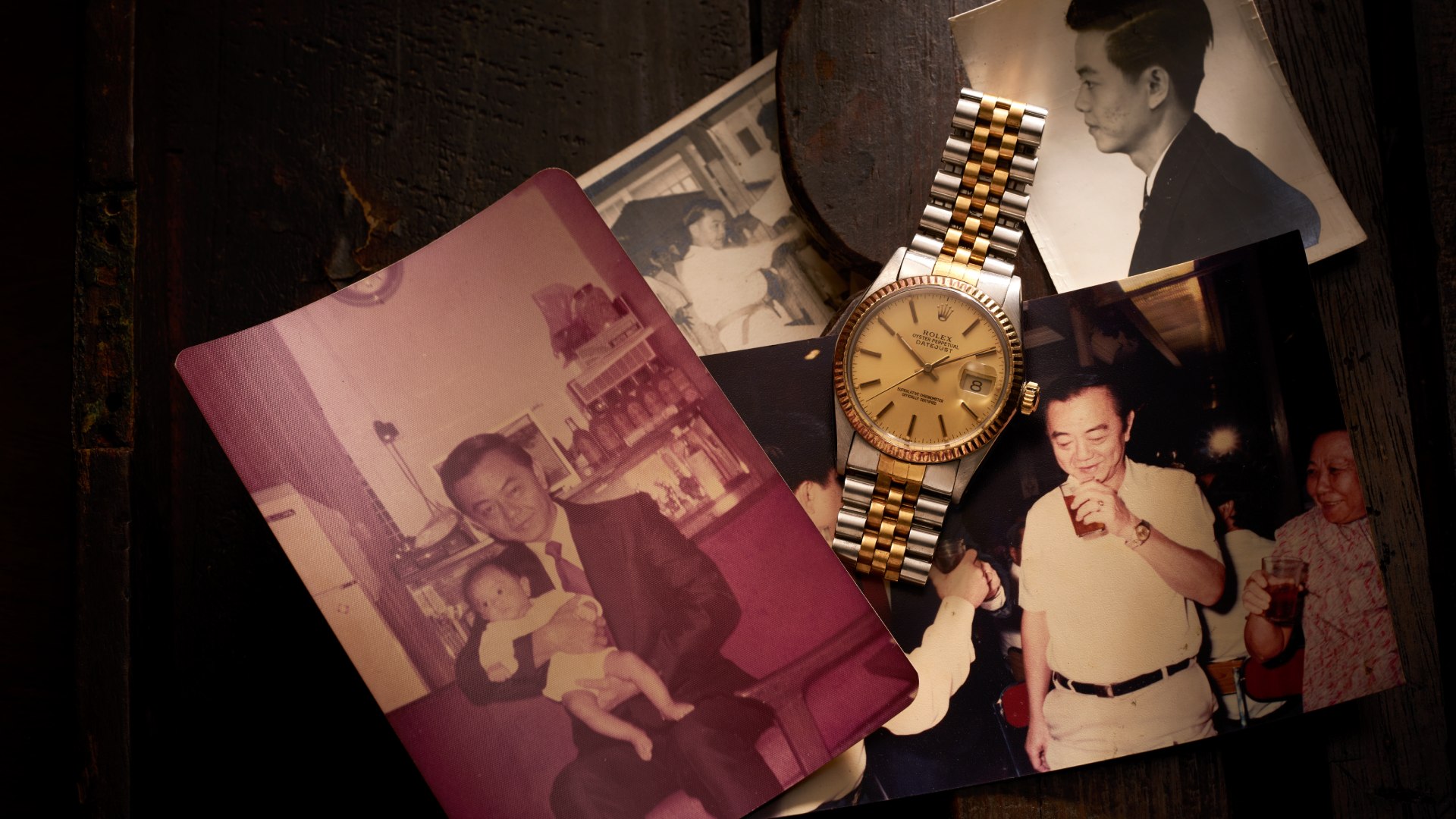
My grandfather asked me that one Friday evening, holding out the Rolex he kept on top of his bedroom cabinet. It lived there with his ring and keys, in the spot where he had emptied his pockets of loose change every evening for years.
He had long since retired but still went out every day, shirt and trousers pressed, a spritz of deodorant, the Rolex on his wrist. It made no difference whether he was going somewhere in particular or only to the grocery store downstairs.
I visited him every Friday, and that week I had news: I had landed a job as a writer at a watch magazine. He looked faintly amused, and proud in the way grandfathers are.
The question about the Rolex followed, though he seemed to know the answer already.
Then he added, “I will let you have it one day.”
I waved the idea away. What would I want with it? It was his, and he should wear it.
He died in 2011. His belongings were put away afterwards, for reasons nobody explained and nobody discussed.
I won’t pretend I didn’t think about the watch—where it was, who had it, whether anyone was looking after it. But it didn’t feel like my place to ask.
The watch finally resurfaced only after my grandmother’s death, when the family sold the house and divided what remained.
Grandpa’s few valuables came out into the open, and his personal effects passed to my father for safekeeping.
That was when I asked whether I might have the Rolex, and offered to pay for it.
Pay how much, though?
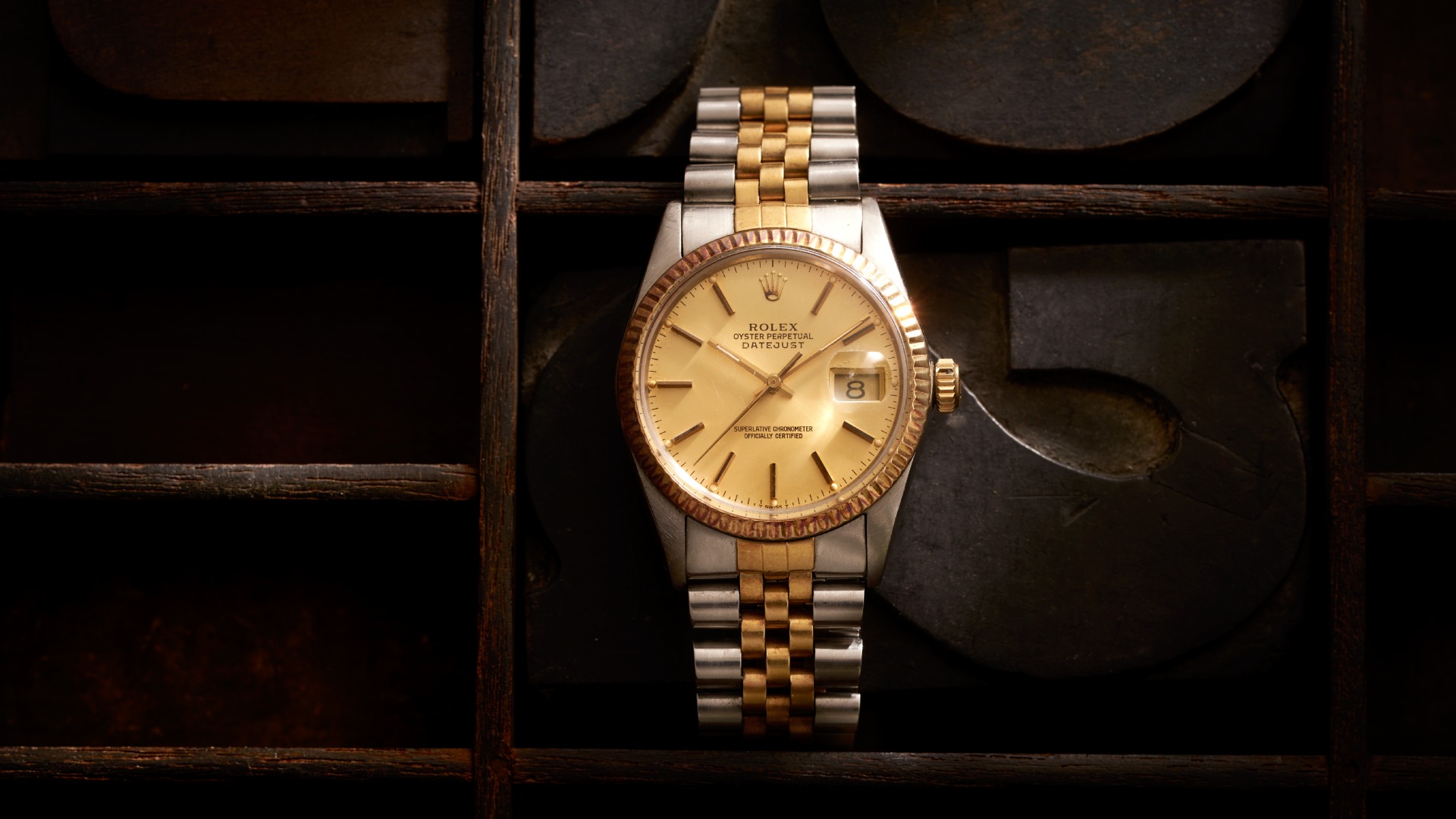
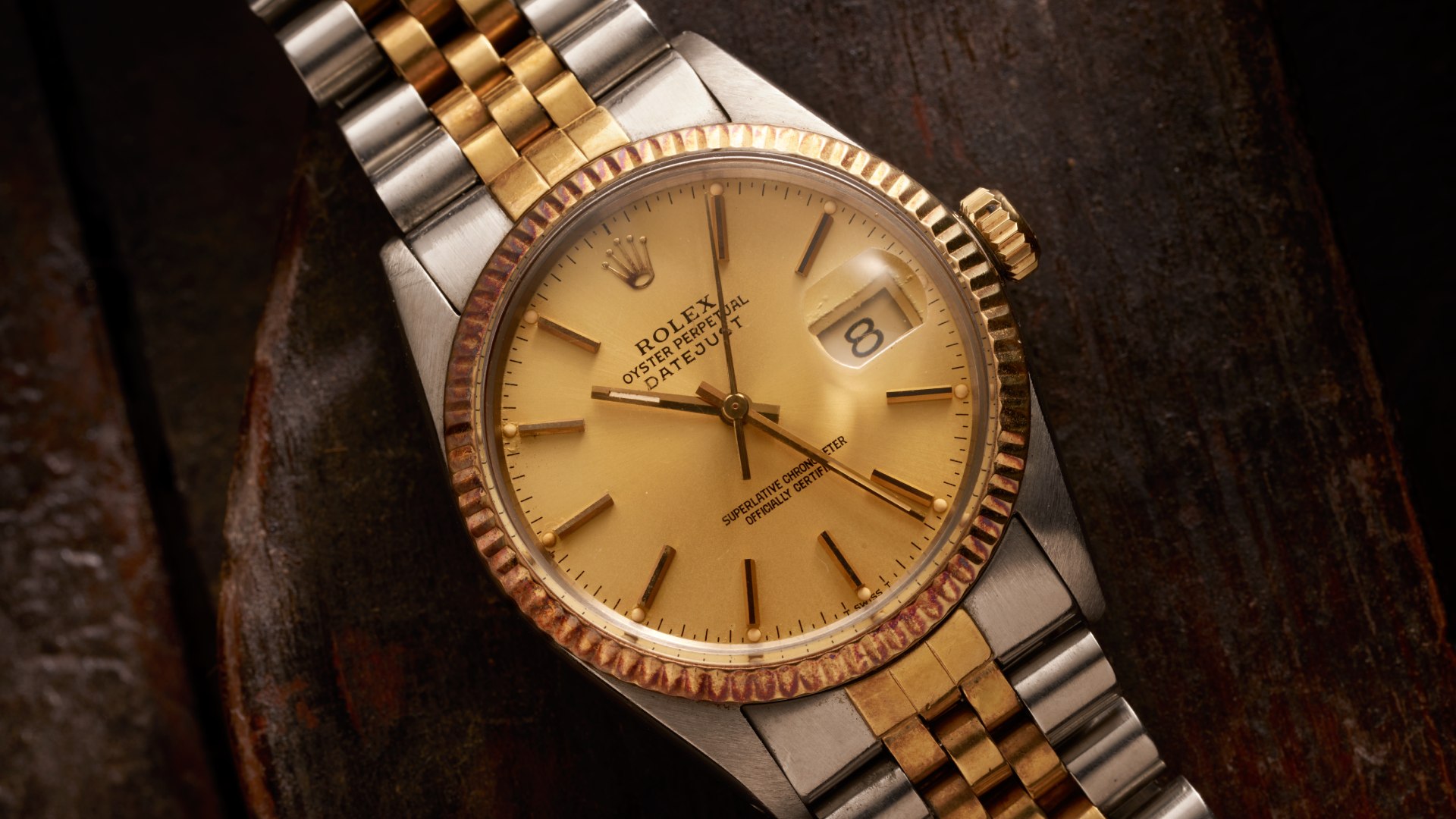
For the first time, I looked at the watch properly. It is a Rolex Oyster Perpetual Datejust Reference 16013, made some time between the late 1970s and early 1980s. It has a 36mm case in steel and 18k yellow gold on a matching five-link Jubilee bracelet.
The gold on the bezel and bracelet middle links are patinated with age, endowed with a sheen that is almost akin to red gold.
The edges of the fluted bezel appear worn over time, but (what seems to be) the acrylic crystal glass bears no sign of scratches.
The beautiful champagne coloured dial, hands and baton markers are all beautifully preserved, showing none of its age or wear.
I won’t pretend I didn’t think about the watch—where it was, who had it, whether anyone was looking after it.
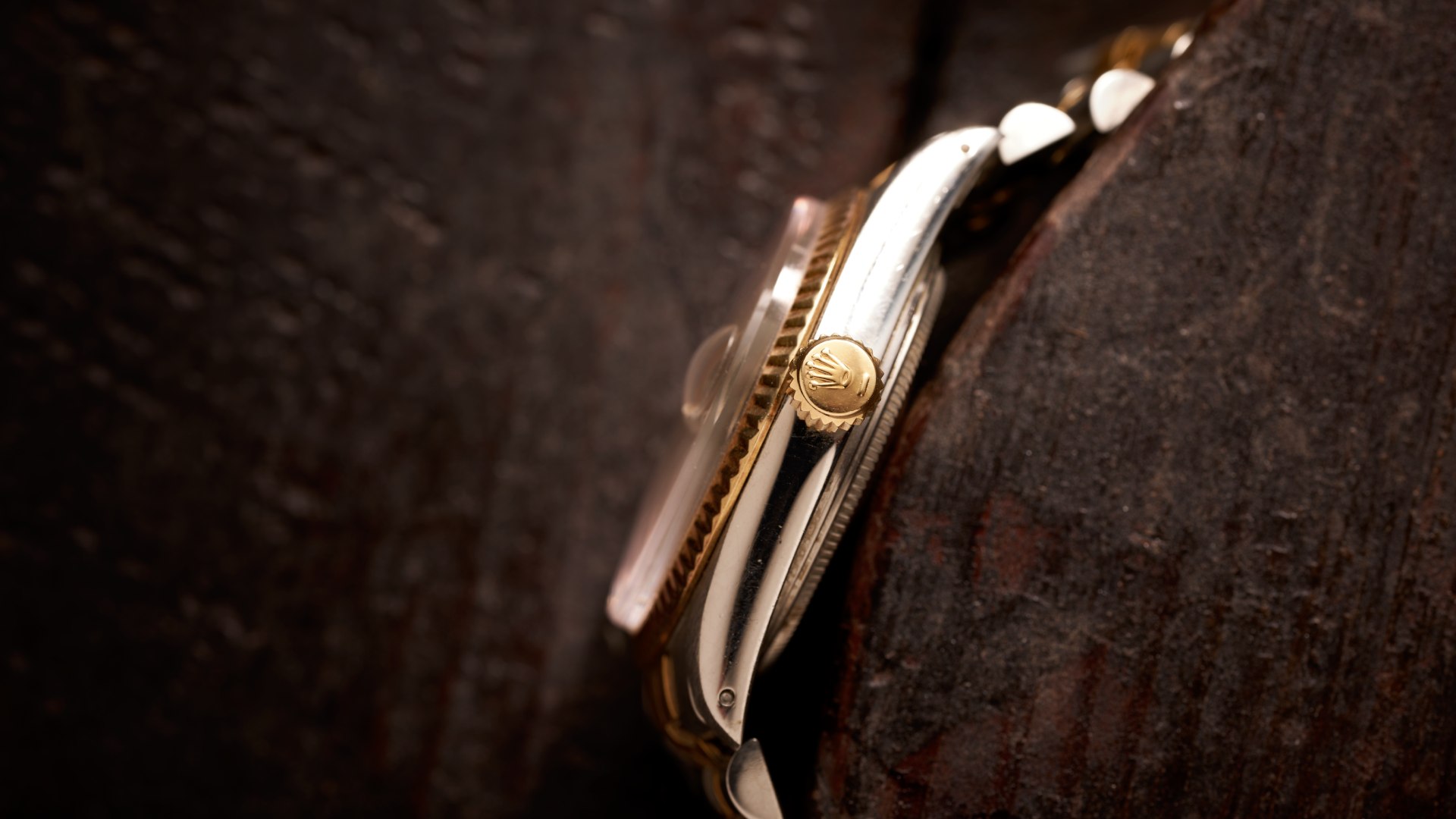
Setting and winding it moved me more than I expected. A few turns of the crown and my grandfather’s watch was running again. I guessed it had been more than 10 years since anyone had wound it, and far longer since he had.
Online listings suggested it could fetch between S$6,000 and S$8,000. Then a less comfortable thought struck me.
What if it was fake?
My grandfather was not a wealthy man. In the late 1970s, he was the sole breadwinner for a wife and six children, drawing a salary as the manager of a Chinese restaurant. A two-tone Datejust would have been an extravagance. For all his generosity towards his family, he spent almost nothing on himself. Would he have allowed himself a Rolex? Could he even have afforded one?
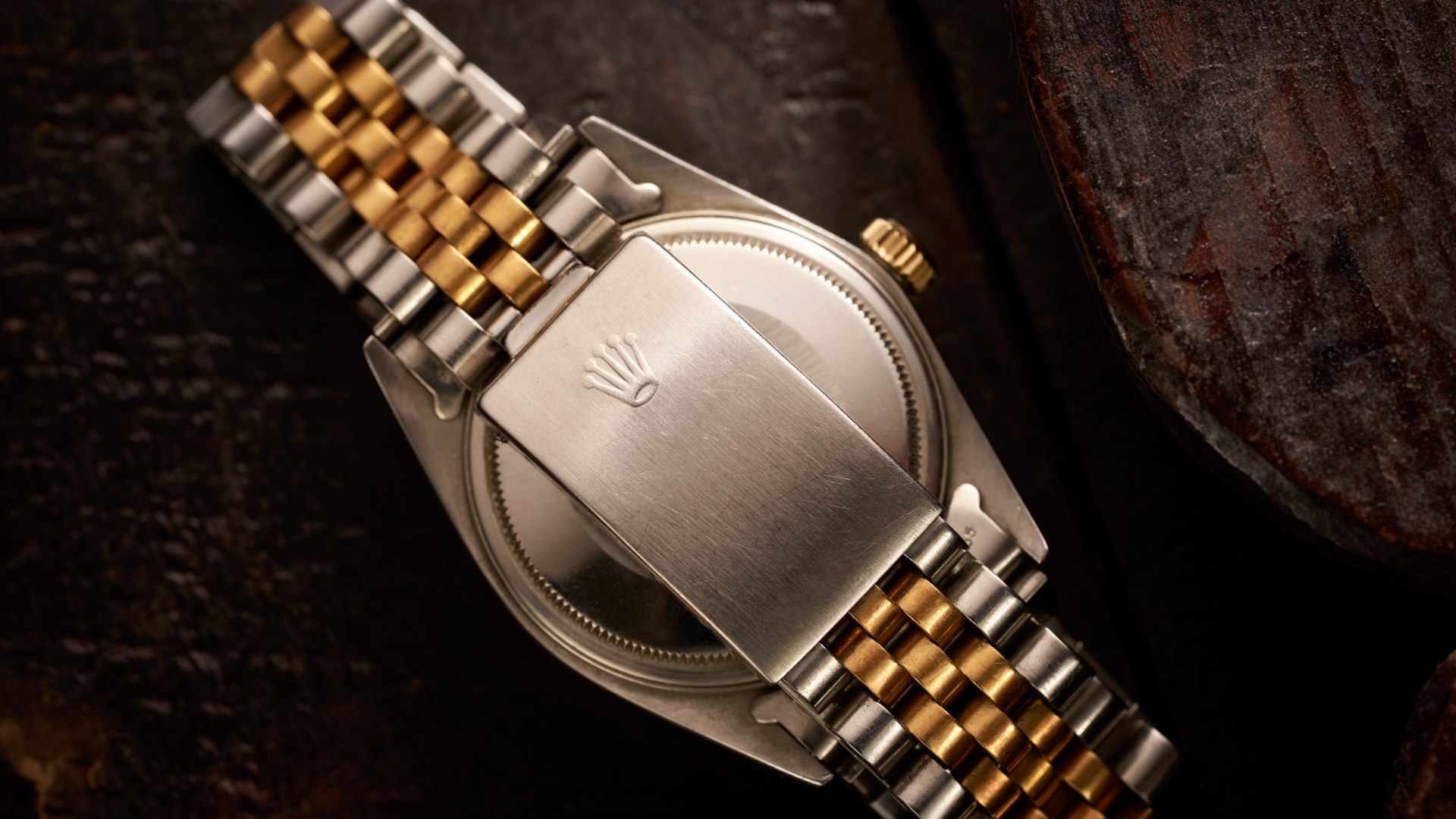
The only way to know was to have it authenticated. Rolex’s service centre stopped offering authentication services years ago. I had no wish to hand the watch to an independent repair shop, whatever it claimed it could do. The workaround I was offered was indirect but sound: send it to Rolex for a service. The brand accepts only genuine watches for servicing and repair. If nobody at the counter handed it back with an apologetic look, I would have my answer.
But what if they did? What would it be worth then?
Suppose it is fake. Suppose that Friday evening’s question was a mischievous test, set to see whether his grandson was fit for the job. Where would that leave everything I had felt about the watch: the patina I admired, the unblemished dial, the rush of feeling when it began to tick again? Would all of it count for nothing because the watch’s market value had collapsed?
For all my grandfather’s generosity, he spent almost nothing on himself. Would he have allowed himself a Rolex?
Would it still be a good watch?
I would be lying if I said the question didn’t give me pause. It didn’t take long to answer. Whether the Rolex is genuine has no bearing on what it is worth to me. My grandfather wore it everywhere he went. That I can now hold that same watch in my hands and think of him is what makes it precious.
Ask me what it costs, and I can’t tell you. Ask me whether it is a good watch, and I can finally give him the answer: yes, and an immeasurably good and priceless one.