
White Truffle Season Is Here. Know What a Fair Shave Looks Like
It began with a whiff in Venice. Years later, freshness and weight are what I check before I pay.
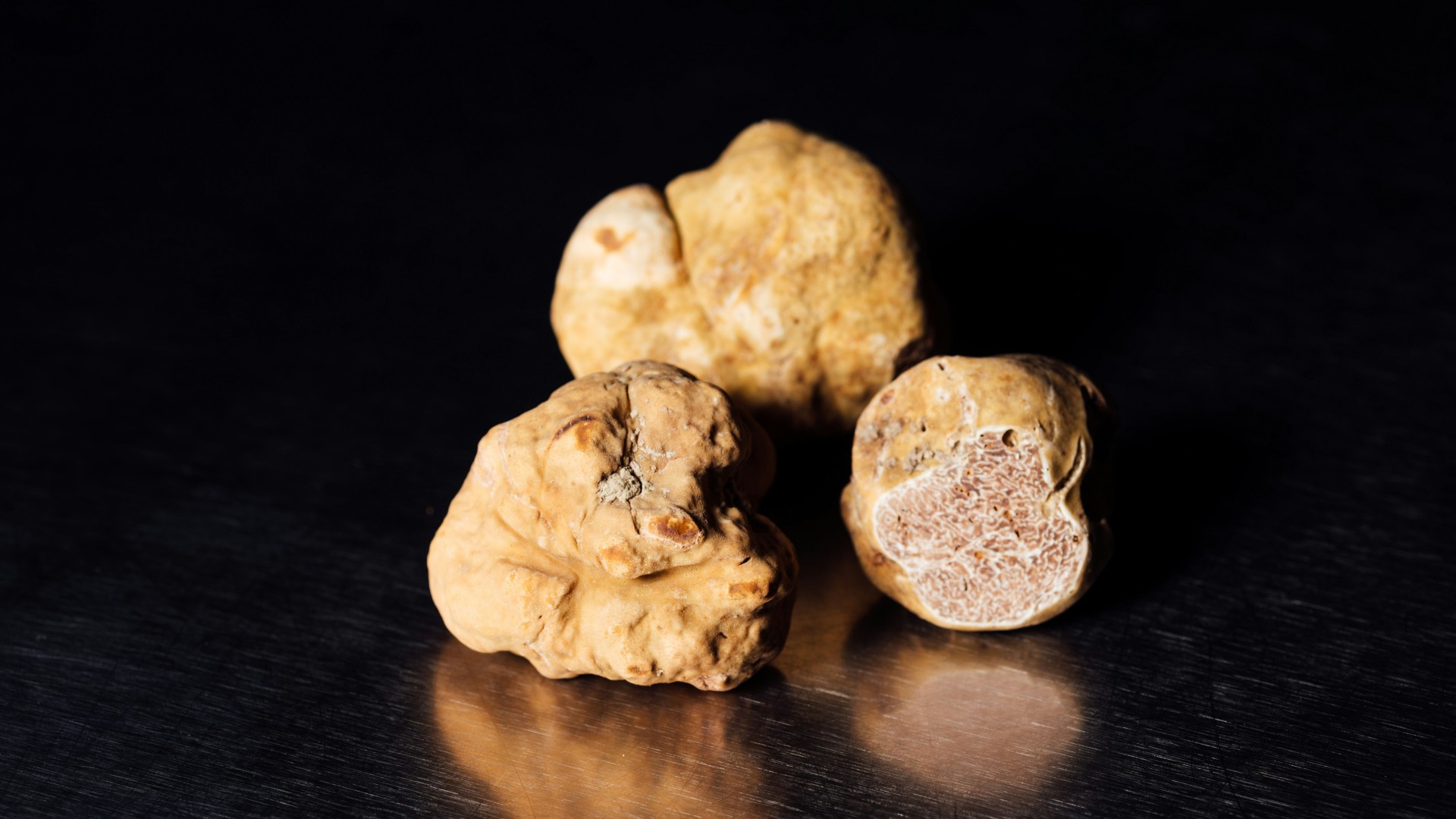
My love for white truffle began, as all great love affairs do, entirely by accident.
I was on a work assignment in Venice in the early 2000s. The October weather was chilly and moist, and our travelling party bundled into a nondescript diner with hardwood floors and furniture, slightly worn window curtains, and a single plastic rose on the table.
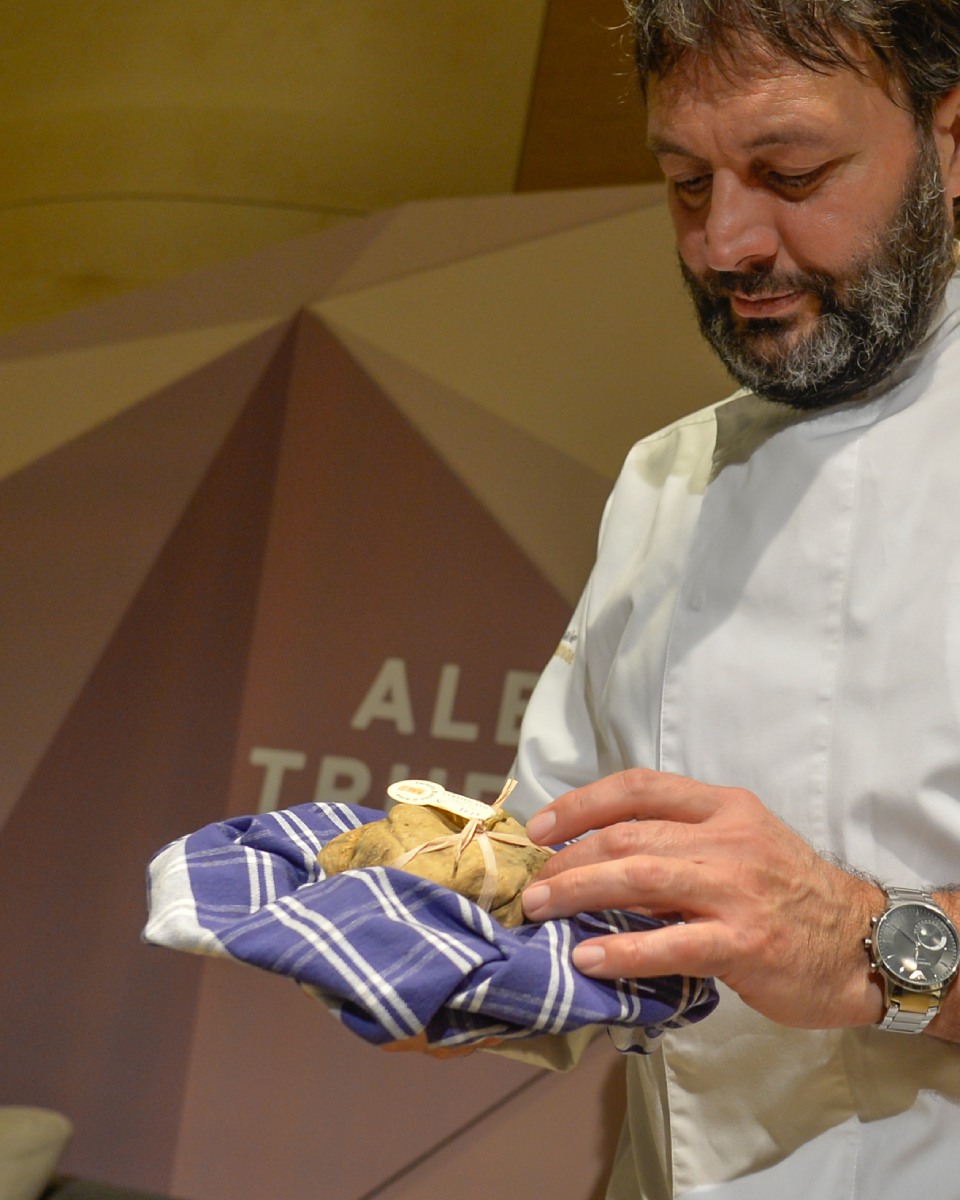
Someone saw that white truffle was in season, and convinced the rest of us that we should have it with the tagliolini in a light cream sauce.
It is the best, he insisted. The rest of the table went with his suggestion.
Moments later, as the plates were brought out of the kitchen, I smelled the dish long before it arrived.
Someone farted, I thought. Pungency enveloped in sulphur and musk.
But in the strangest way—especially after the dish landed on my table, the glazed, saucy slivers of tagliolini blanketed by a coat of thin, white shavings—that offensive whiff that took me by surprise headed in an entirely opposite direction.
I was intrigued by the aroma. That gassy whiff actually smelled complex, and pleasant. Earthy, mild garlic, a hint of sweetness that I couldn’t place.
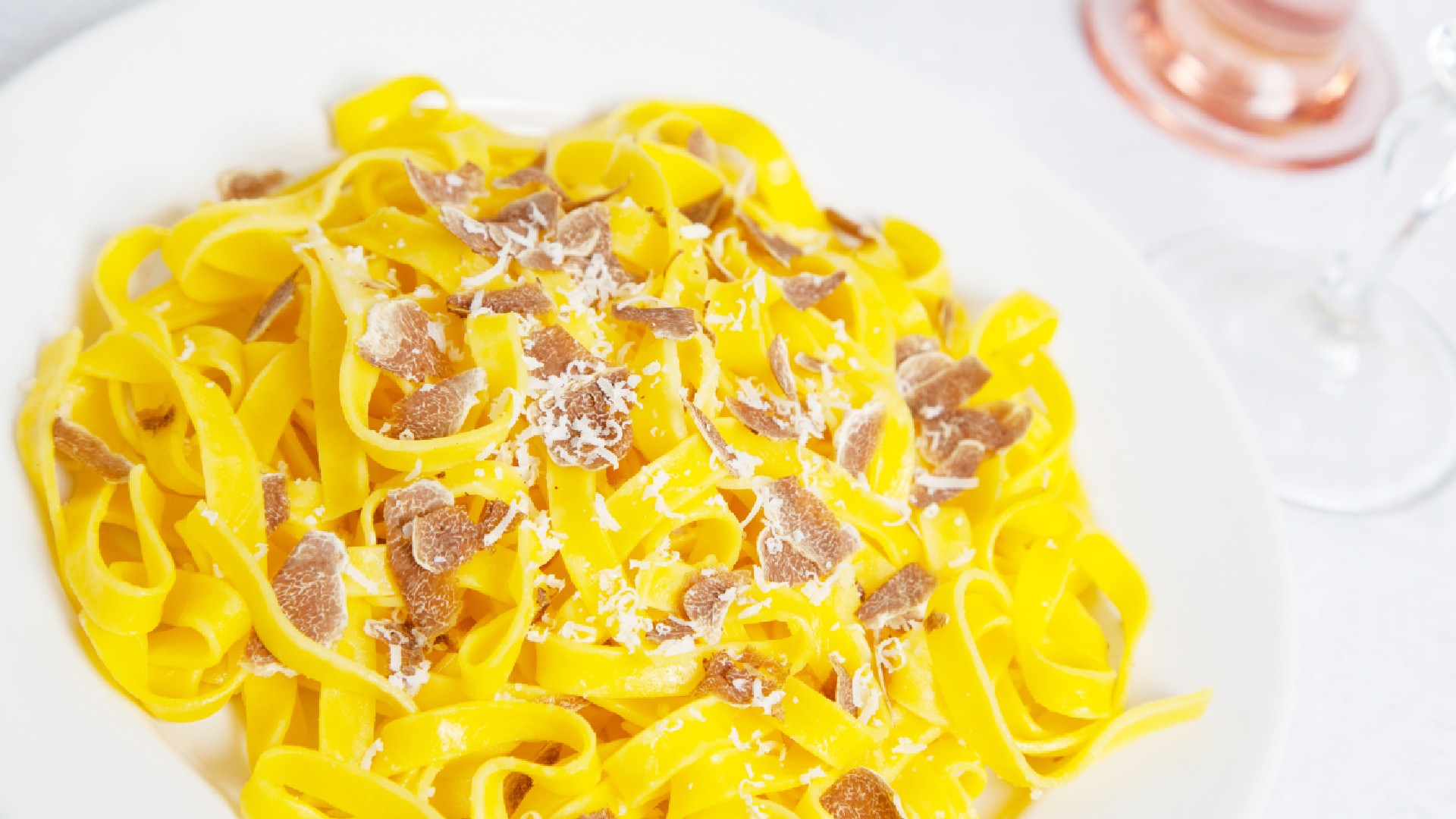
Eaten with the pasta, the white truffle didn’t taste like much. A suggestion of a mushroom-y bite.
But boy, the way the perfume billowed through my mouth to transform the tagliolini and its sauce into a decadent, royal bite was unlike anything I had experienced.
From that moment, I knew I was all in on white truffle.
And from that year on, every birthday I celebrated, which falls at the tail end of the white truffle season, was marked with that same dish, at the same Italian restaurant back home in Singapore.
Looking back, nothing about that diner should have worked. Those curtains, that plastic rose, and a menu that I didn’t even peruse.
What it did have was a truffle that must have come out of the ground days earlier, and a cook who wasn’t shy with it. And that, I have since learned, is the whole point.
The perfume that billowed through my mouth to transform the tagliolini and its sauce was unlike anything I had experienced.
Freshness Matters
Alba’s 96th International White Truffle Fair runs from 10 October to 6 December, and for those eight weeks the most expensive ingredient on any menu arrives without a fixed price.
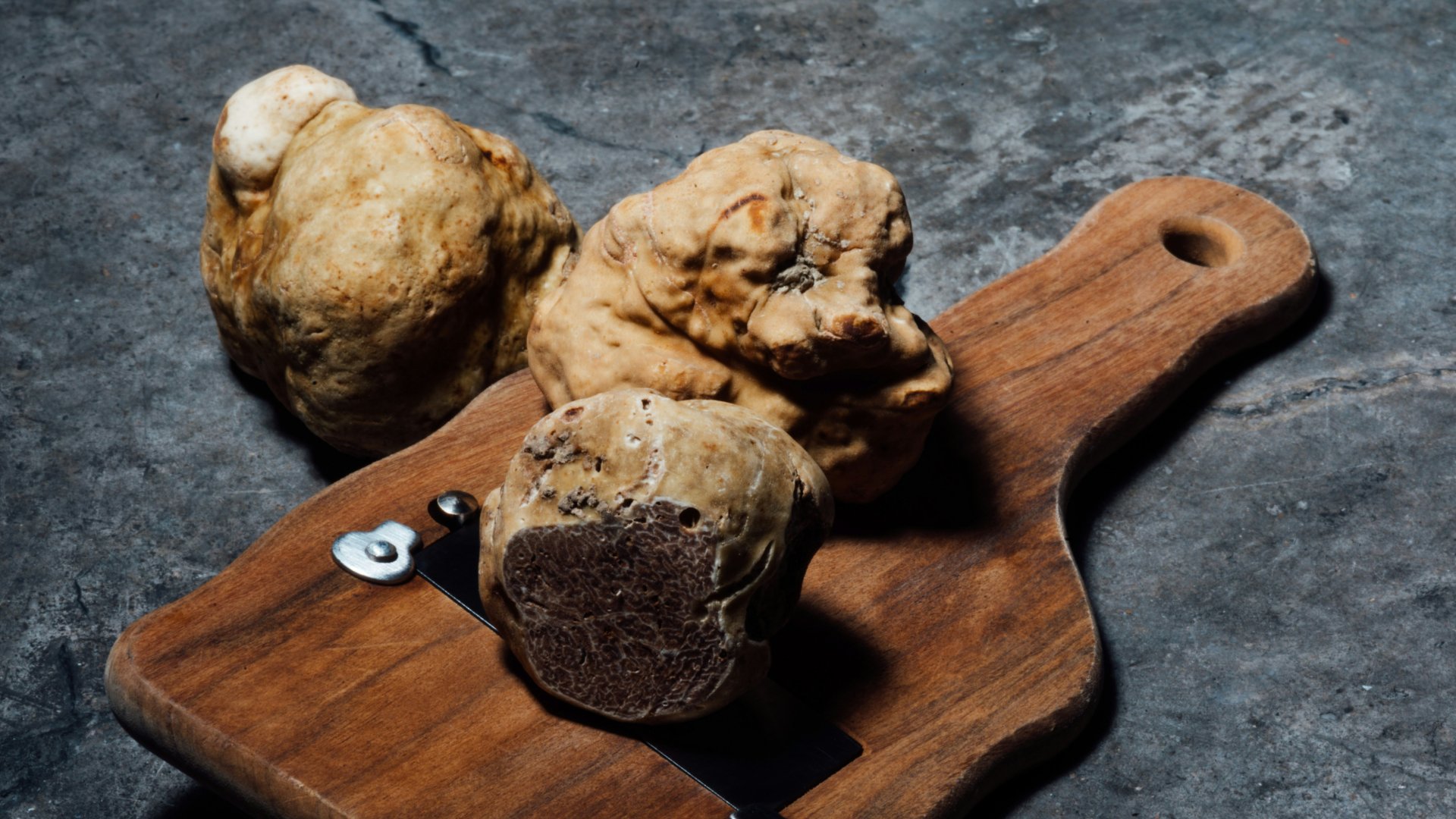
The white truffle, Tuber magnatum, grows wild. The white truffle, Tuber magnatum, grows wild. It resists at cultivation, and its market rises and falls with each season’s rain.
It grows underground among the roots of oak, poplar, willow, and lime trees. Its heartland is Piedmont, around Alba, though it also turns up in Tuscany, Marche, Molise, and Croatia’s Istria.
There was a hot, dry season in 2017 that Alba’s reference price hit a record €6,000.
Unlike its black cousin, it is never cooked. Heat kills the aroma. So it goes on raw, shaved over something deliberately plain: tajarin with butter, a risotto, a soft poached egg, fonduta.
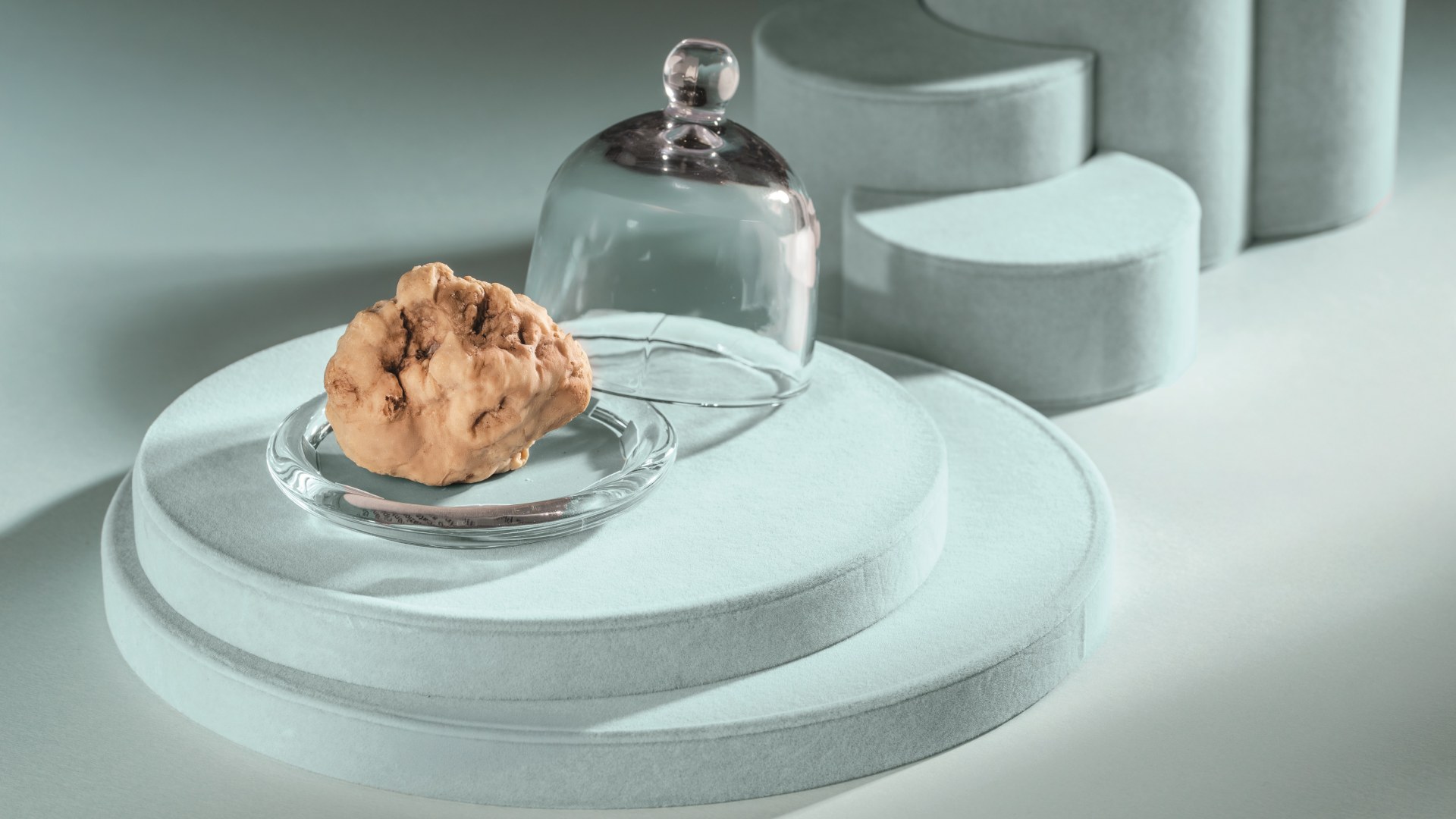
The aroma also fades fast. A white truffle starts losing intensity the moment it leaves the ground, so ask when it arrived. A kitchen proud of its truffle will tell you the day.
Then trust your senses before the first slice.
A good white truffle is firm, not spongy. Its scent should reach you before it is anywhere near your nose: garlicky, with hints of honey and damp earth.
If you have to lean into the dish to find it, it is past its best.
White truffle resists cultivation, and its market rises and falls with each season’s rain.
About Its Price
In recent seasons, white truffle has traded at source for roughly €2,000 to €4,000 a kilo, depending on size, with the largest specimens fetching more.
A dry summer means fewer truffles. There was a hot, dry season in 2017 that Alba’s reference price hit a record €6,000.
In an ordinary year, that works out to roughly €2 to €4 a gram for the raw truffle. Airfreight, wastage, and the restaurant’s margin sit on top of that, fairly enough. But it gives you a baseline.
The second number is weight. A serving of 5g to 10g per person, per course, is the commonly cited range.
Divide the supplement by the grams, and you have the figure that matters. A supplement that sounds modest might buy you 3g. One that sounds steep might be honest value at 10g.
White truffle is enjoyed raw, shaved over something deliberately plain.
The better kitchens make this easy. The truffle comes to the table with a scale and is weighed before and after shaving, and you pay for the difference.
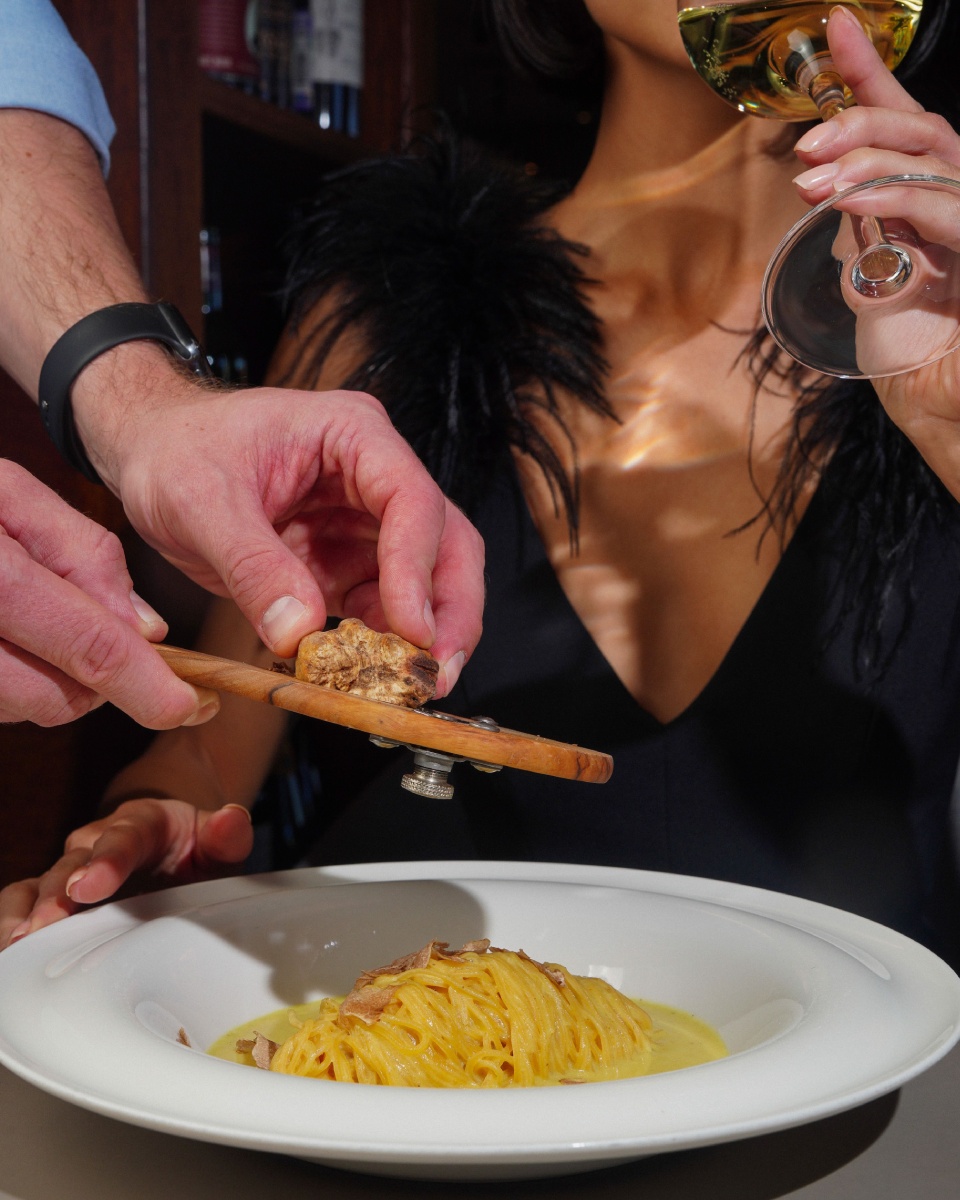
If a menu offers “a shaving” at a flat price, ask how many grams that means. A precise answer is a good sign.
And watch the shave itself. The slices should be paper-thin, but plentiful enough to blanket the dish.
A few translucent flakes scattered for show, or a shave done in the kitchen where nobody can see it, tell you all you need to know.
As for me, I still treat myself to that unmistakable whiff every birthday, anticipating it long before the plate reaches the table: that same sulphurous, faintly absurd smell that once had me suspecting a dinner companion.