
Not All Watch And Art Collaborations Are Made Equal
Hublot, Franck Muller, and Jaeger-LeCoultre echo the spirit of the legendary artists.
When watch enthusiasts speak of the art of watchmaking, they mean something specific: the craft, expression, and technique intrinsic to making a fine timepiece.
And that is true enough: every fine watch carries its maker’s creativity, whether in the colours and decoration of a dial, the geometry of a case, or a solution to some perennial technical problem.

But what happens when the phrase turns literal — when a brand takes the term at its word by inviting actual artists into its workshop, or setting out to reproduce a renowned work of art?
This year, Hublot enlists the contemporary artist Jeff Koons to work across two new watches; Franck Muller partners with the maximalist collage artist Kelly Dabbah on three new Vanguard models; and Jaeger-LeCoultre completed an eight-year project translating four Hokusai woodblock prints onto the caseback of its Reverso, closing out a series it began with the Great Wave in 2018.
What happens when a brand takes the ‘art of watchmaking’ at its most literal?
Explosive Fusion
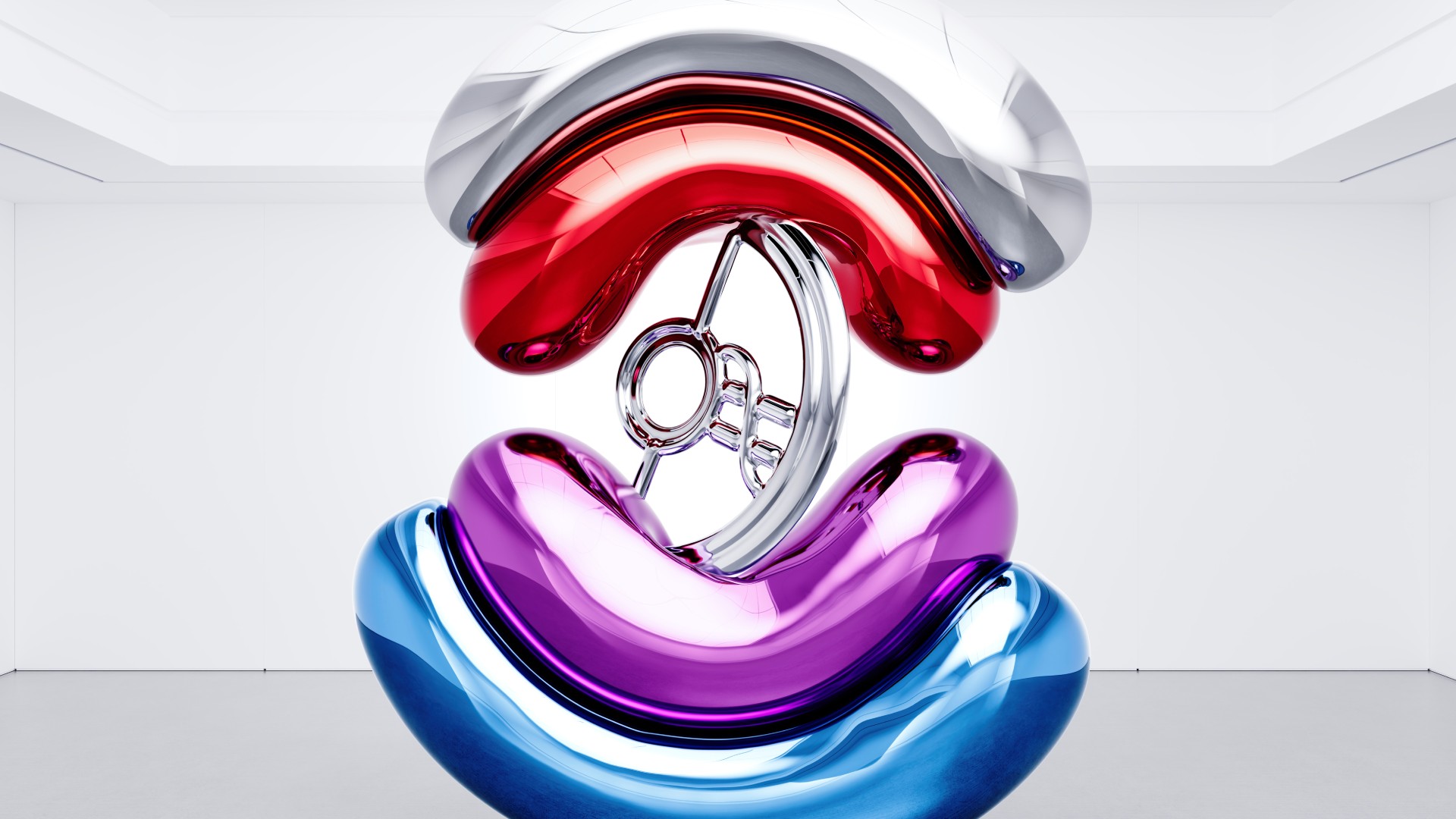
The Hublot and Jeff Koons tie-up produced two wildly expressive creations.
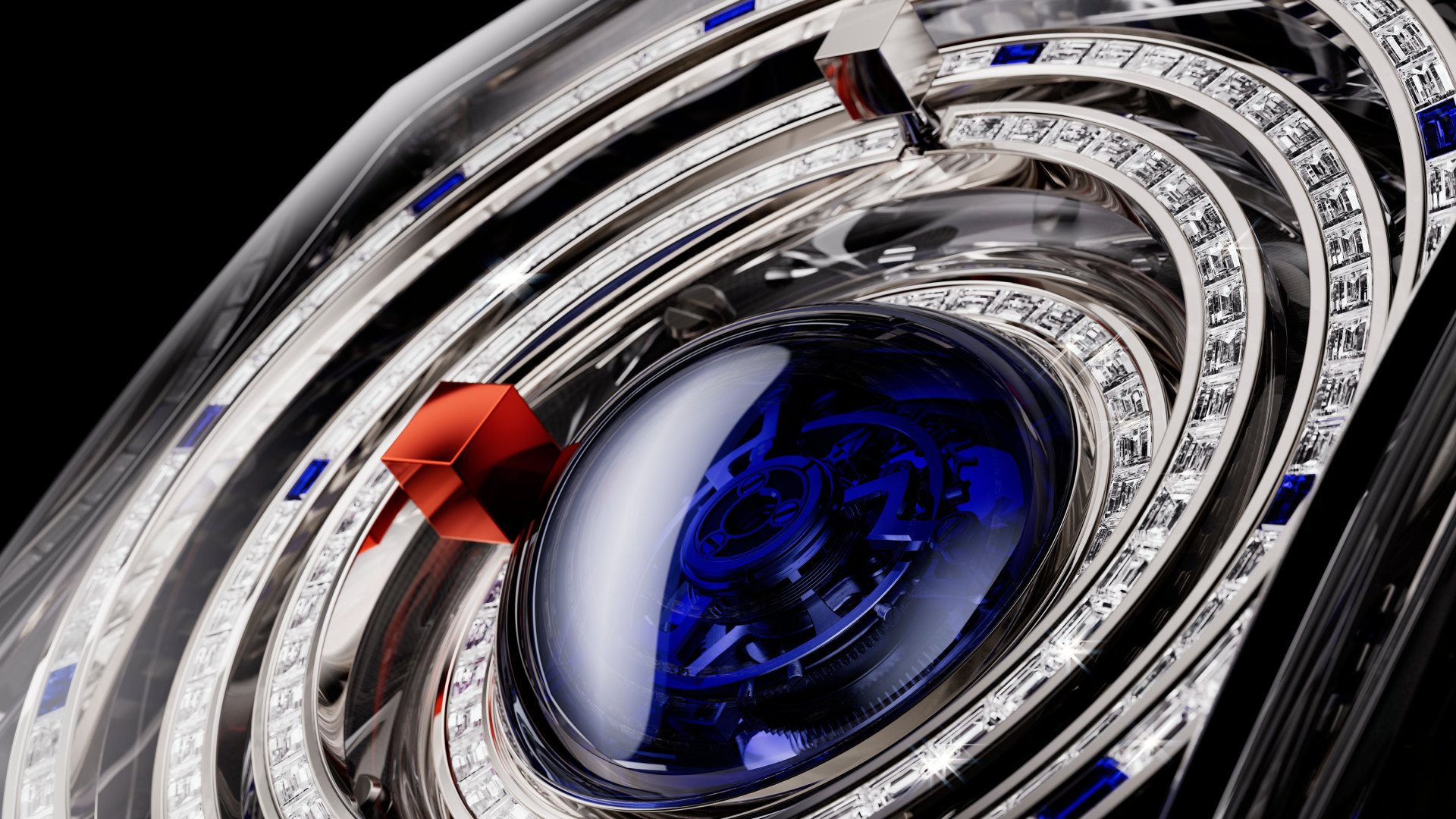
The MP-14 Origin by Jeff Koons, limited to 30 pieces, is a genuine technical first for the watch brand. Encircled by rings of baguette-cut diamonds and blue sapphires, the MP-14 Origin carries Hublot’s first-ever automatic central tourbillon, the mechanism sitting at the exact centre of the watch.
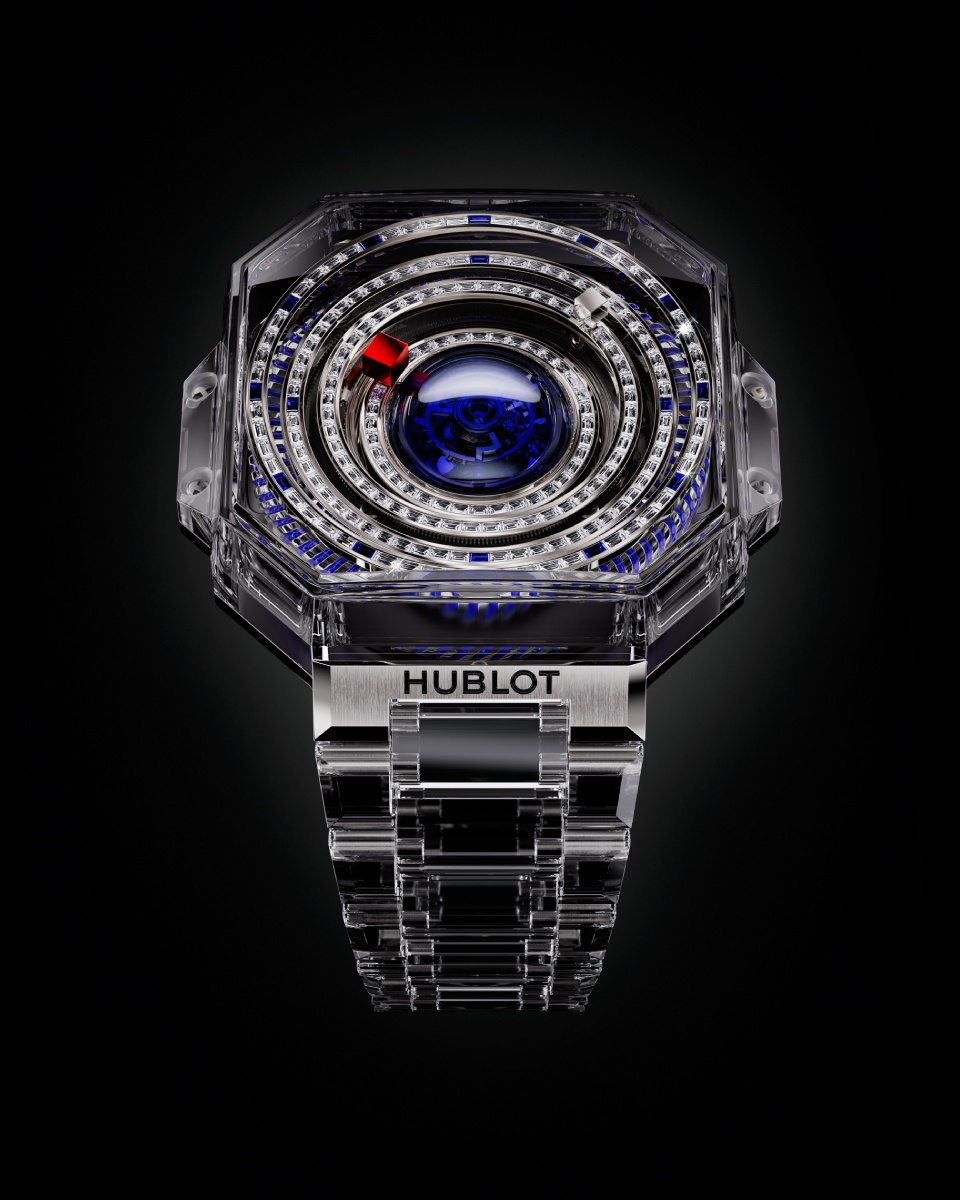
The tourbillon is encased in a sapphire dome, hand-painted in translucent blue that recalls Koons’ Gazing Ball works.
The 44mm octagonal case—sapphire and titanium, requiring roughly 534 hours of machining—houses two suspended rotating rings. One is fixed with a steel cube in red varnish marking the hours and the other in plain polished steel for the minutes.
The rings orbit within a further set of fixed rings that together carry 202 stones, roughly 2.6 carats of diamonds and sapphires.
All that colour and glitter, however, should not distract from the MP-14 Origin’s mechanical virtues.
The in-house HUB9014 automatic movement is a technical tour de force.
To accommodate the central tourbillon, Hublot devised a peripheral oscillating weight that winds the watch unobtrusively while delivering 60 hours of power reserve, along with two concealed crown adjustment systems integrated into the case architecture.
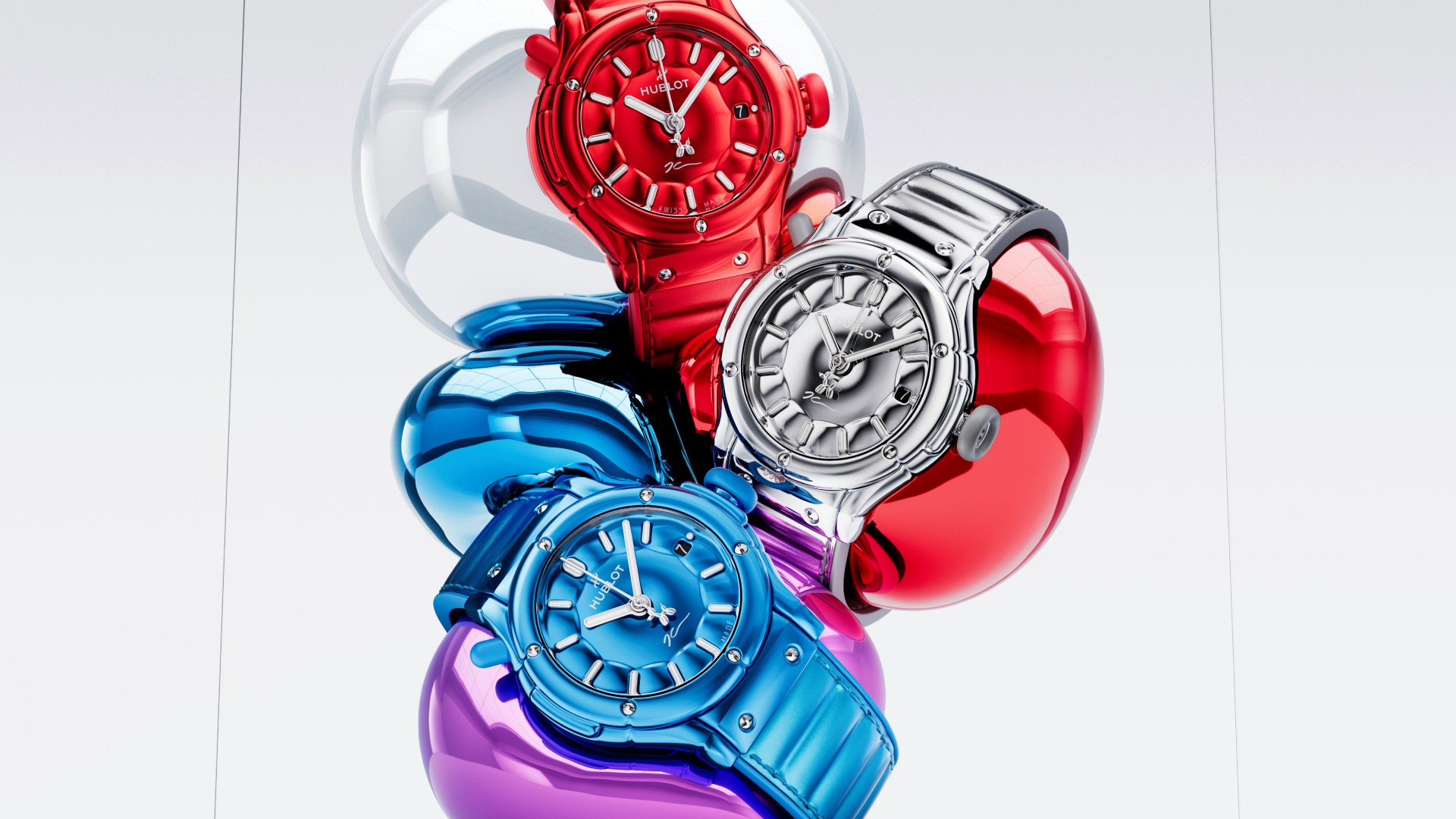
The partnership’s second release, the Classic Fusion Balloon Dog, treads more familiar territory.
Offered in three editions—mirror-polished stainless steel, and red or blue anodised aluminium, each limited to 200 pieces—the watch takes Koons’ best-known sculptural motif, the mirrored balloon animal from his Celebration series, and transposes it to one of Hublot’s most accessible lines.
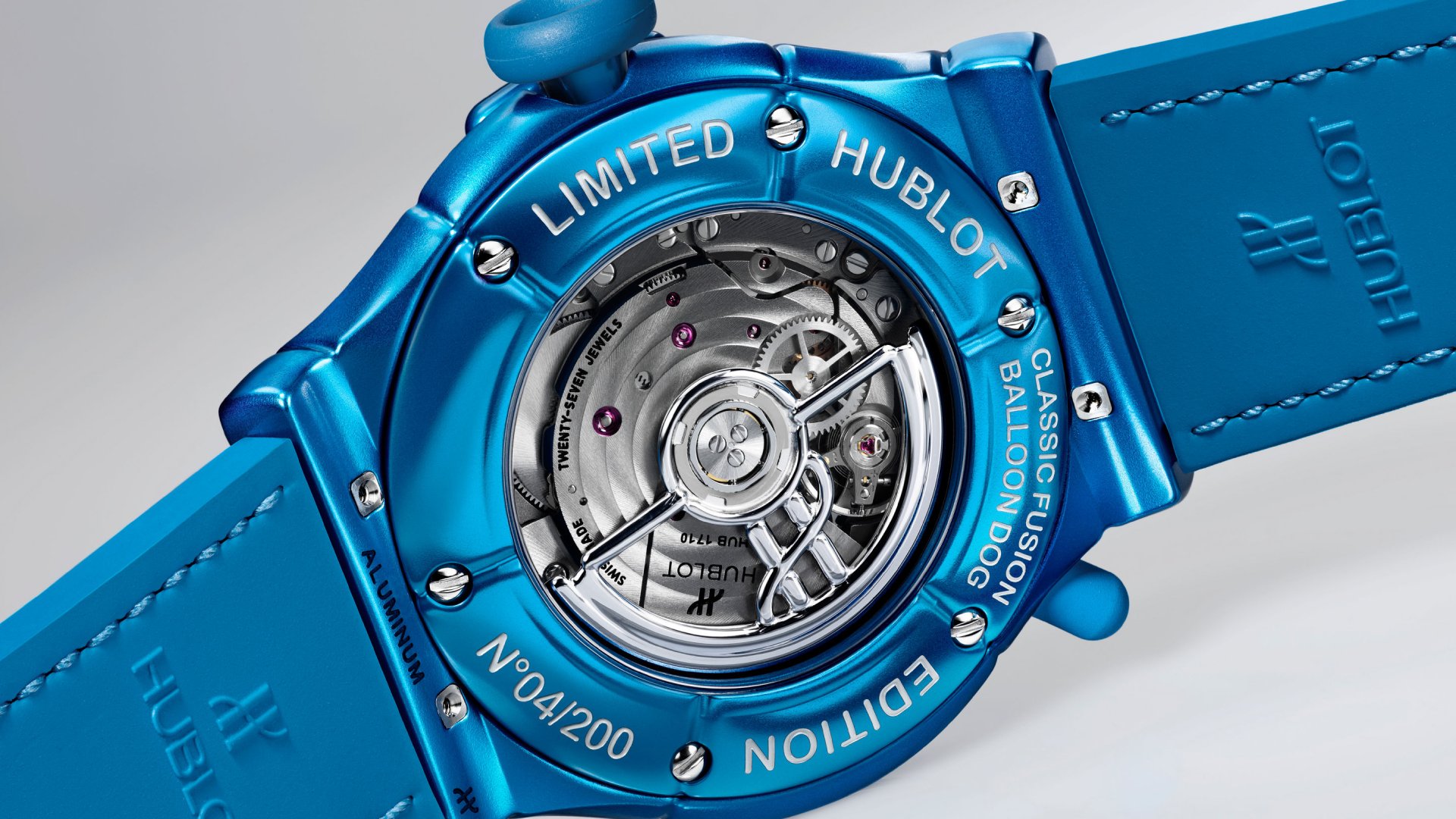
The case’s usually flat, sober architecture has been re-engineered into domed and convex surfaces: a raised sapphire crystal, rounded screw heads, a rubber crown built like an inflation valve, and a balloon-tail motif in relief.
Maximum Impact
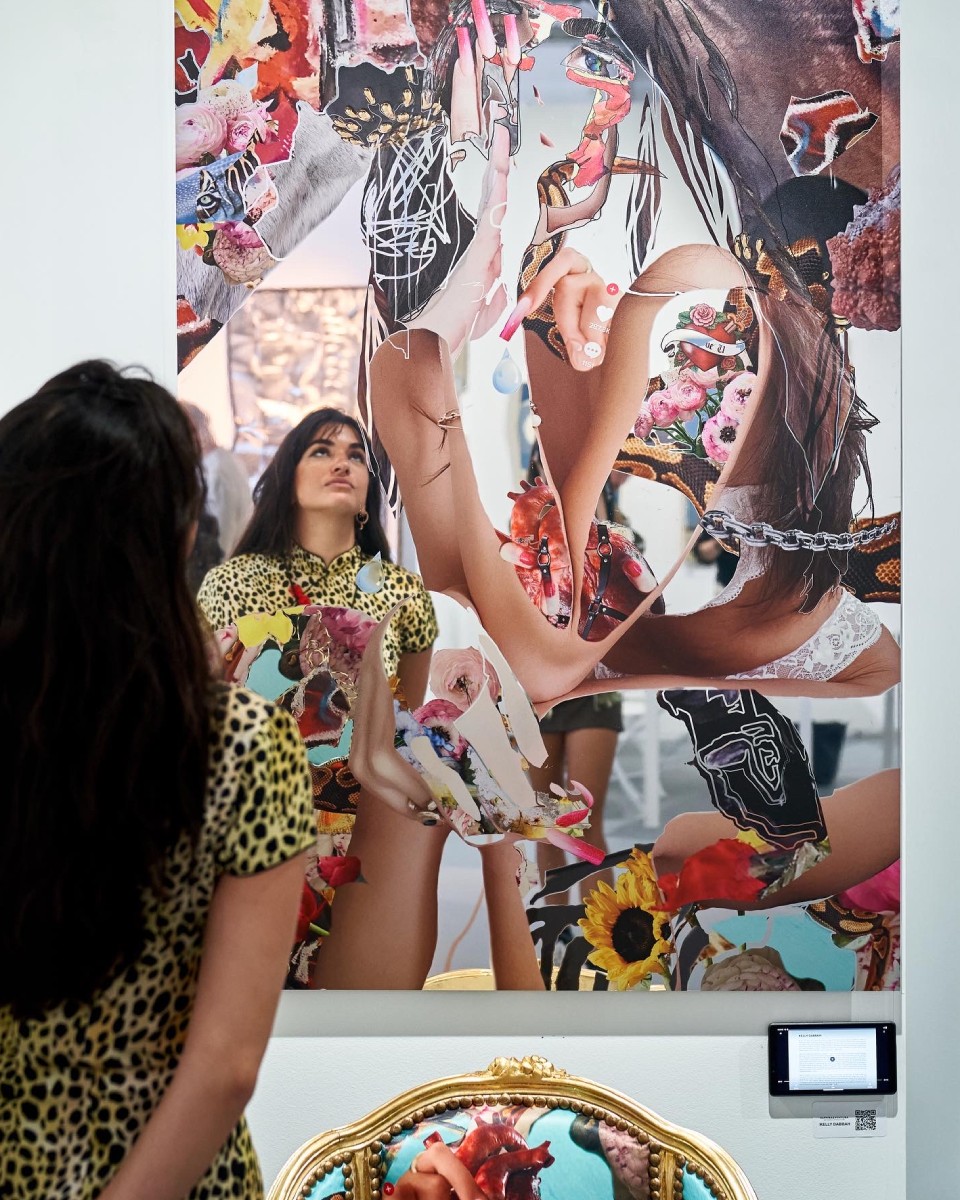
Franck Muller’s work with Kelly Dabbah, on the other hand, seeks to translate the artist’s work to the wrist.
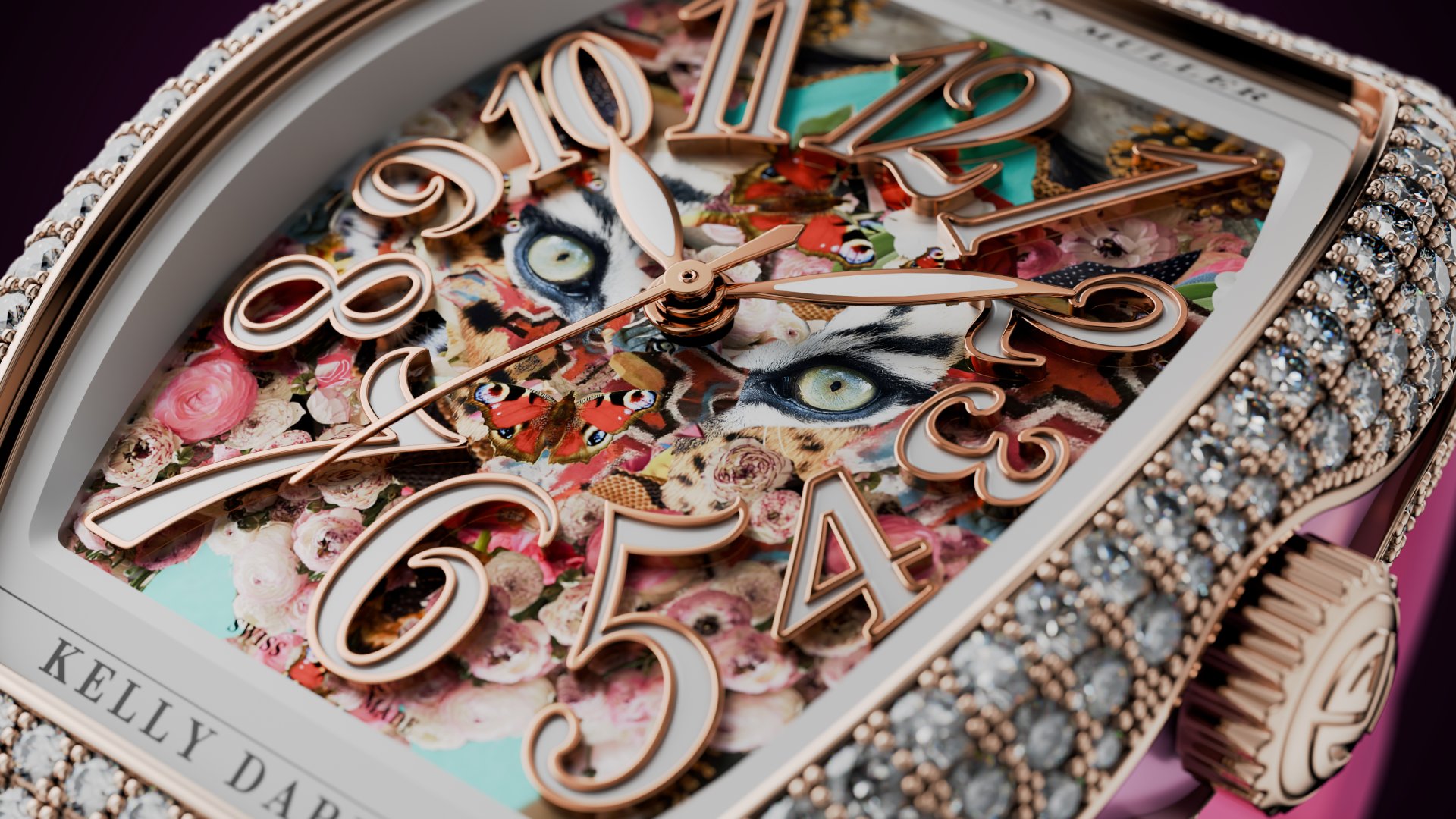
A trained gemologist as well as a Parsons-trained designer, Dabbah is known for her dense, maximalist collage artwork. The challenge, then, was for Franck Muller’s artisans to find a technique that could carry Dabbah’s work onto the dial.
The answer lies in a technique called sublimation. Dabbah’s design is first printed onto a plastic transfer film, then fired onto the dial at around 160°C under heat and pressure.
At that temperature, the pigments turn from solid to gas and work their way into the lacquer layer itself, rather than sitting on its surface—closer to how ink is set into skin than to conventional dial printing.
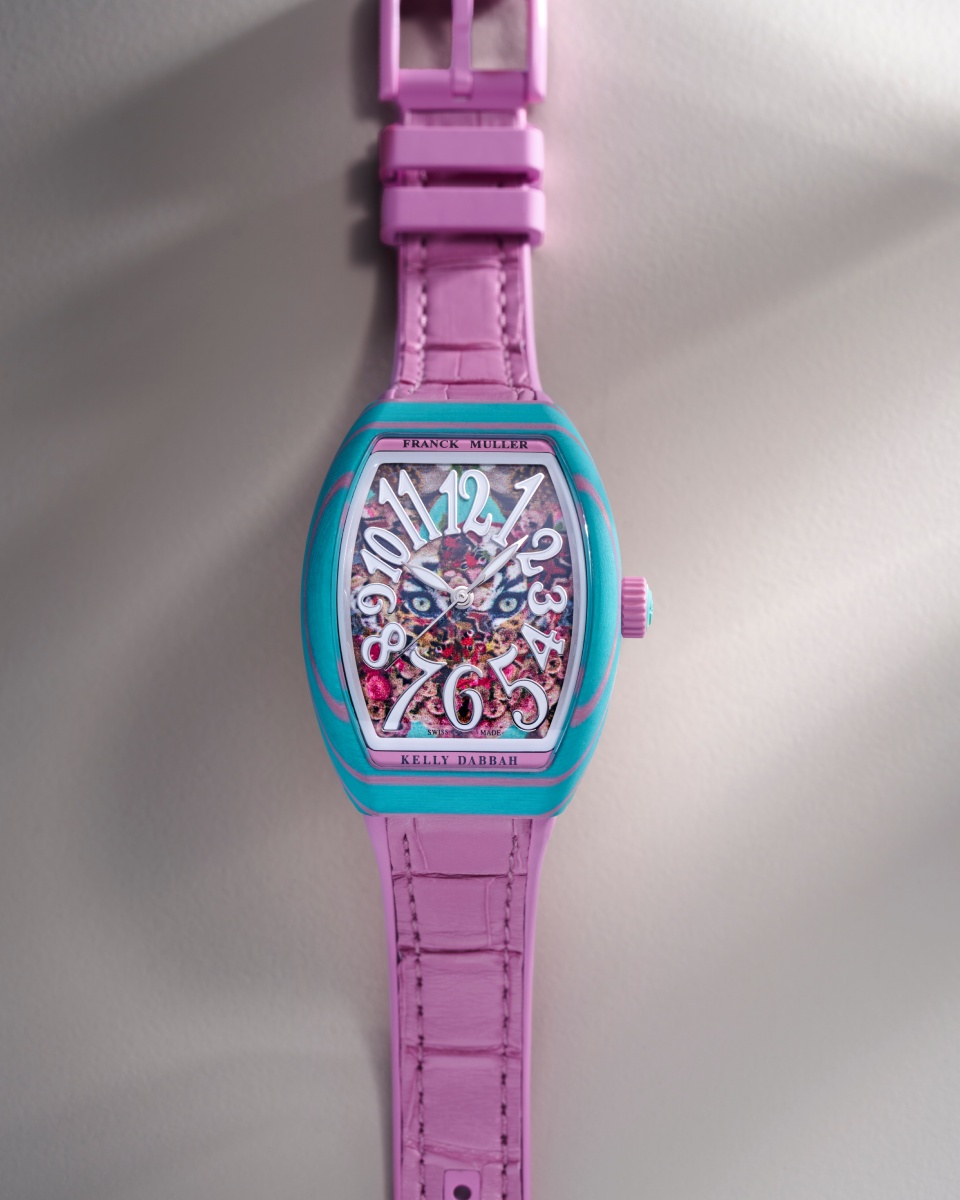
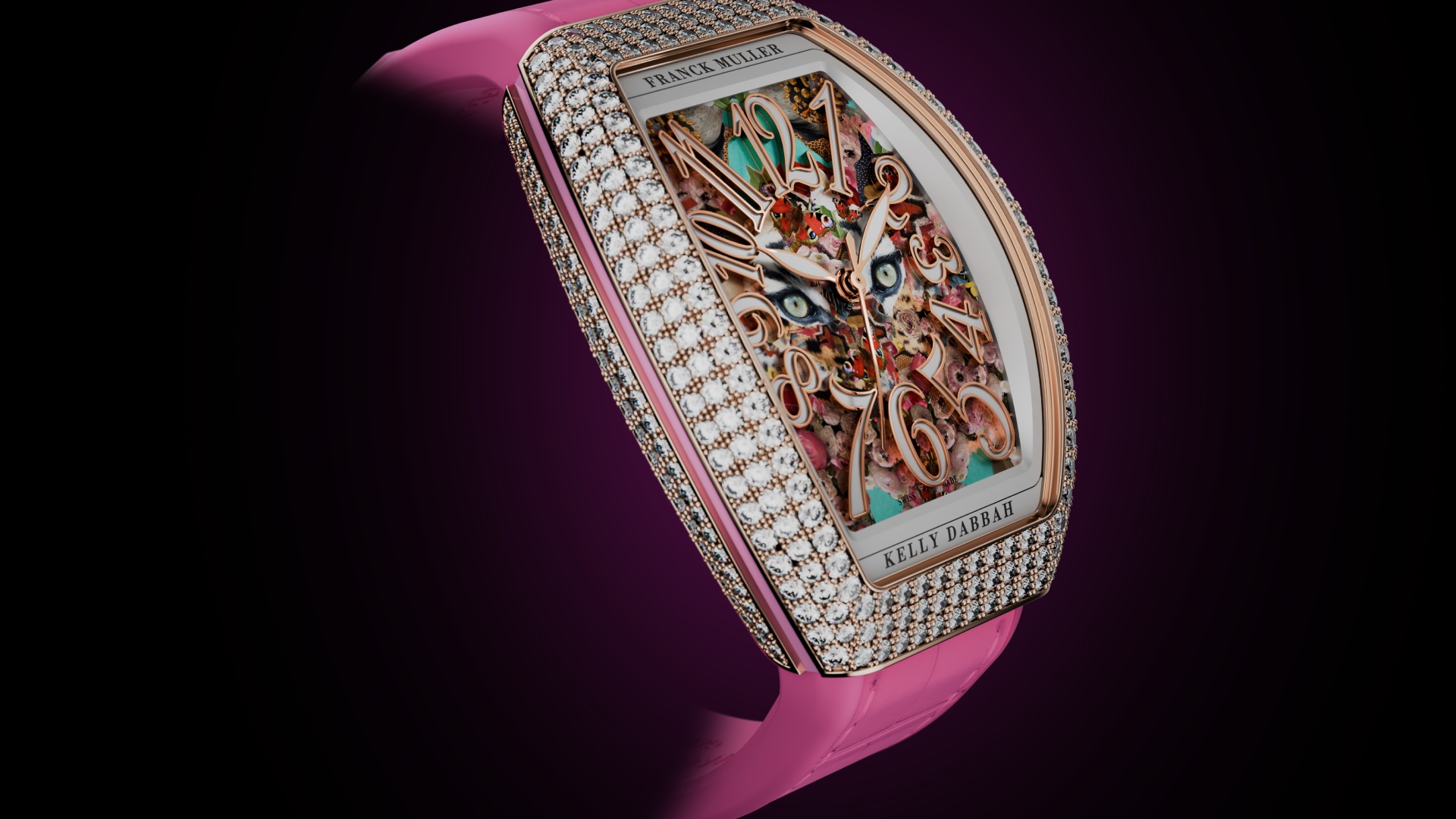
The three watches that come out of the collaboration are as kaleidoscopic as Dabbah’s works.
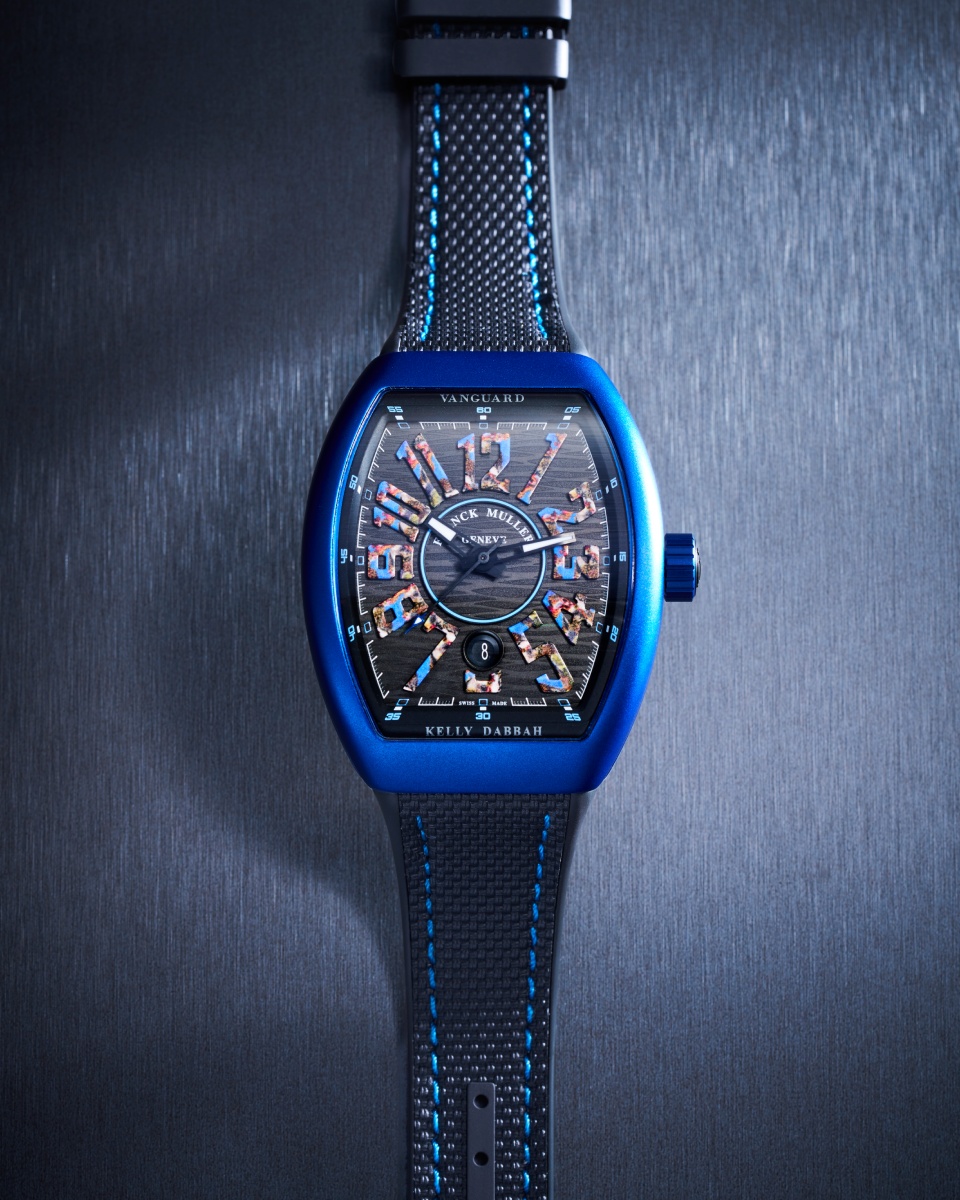
The Vanguard Candy Mint sets a tiger-eyed collage against a layered mint-and-pink case built from superimposed sheets of coloured glass fibre; a rose gold version of the same watch, set with 308 diamonds, heightens the glamour; the men’s Electric Feel model keeps Dabbah’s collage restrained within brass numerals against a carbon dial.
Making Waves
Jaeger-LeCoultre’s Hokusai project asks something different again: not invention or reimagination, but discipline and patience.
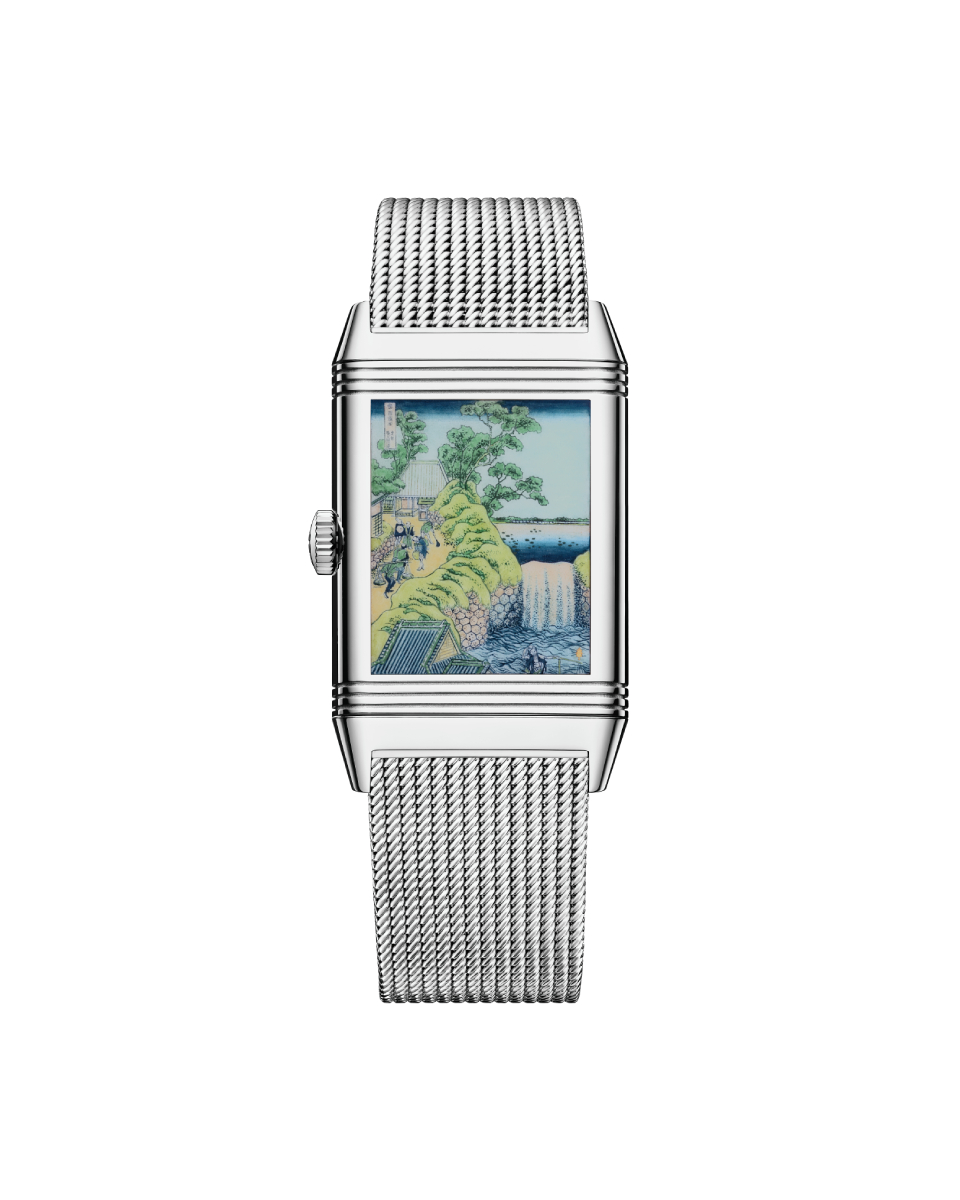
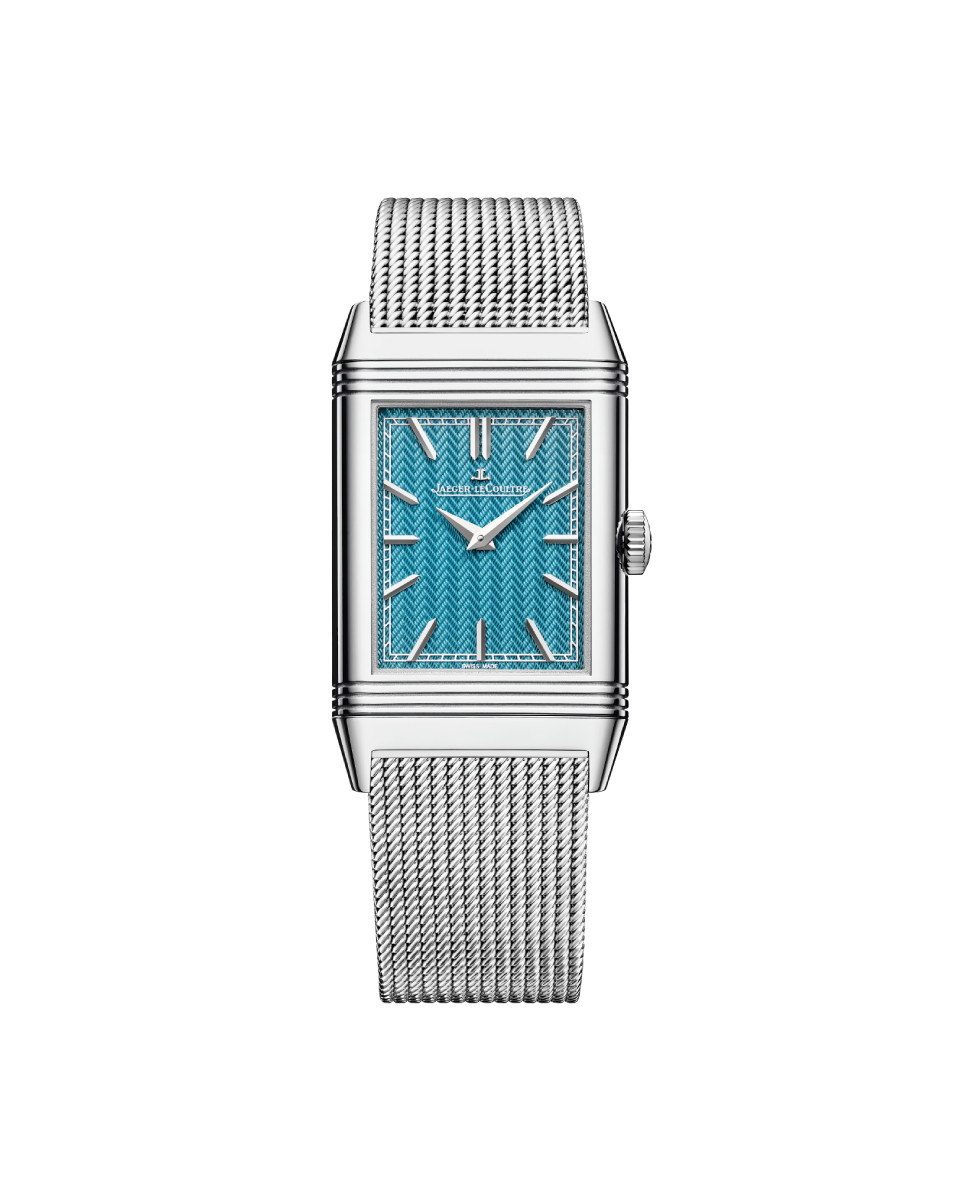
The Reverso’s swivelling case, designed in 1931 to protect a polo player’s dial, turns out to be well suited to depictions of art.
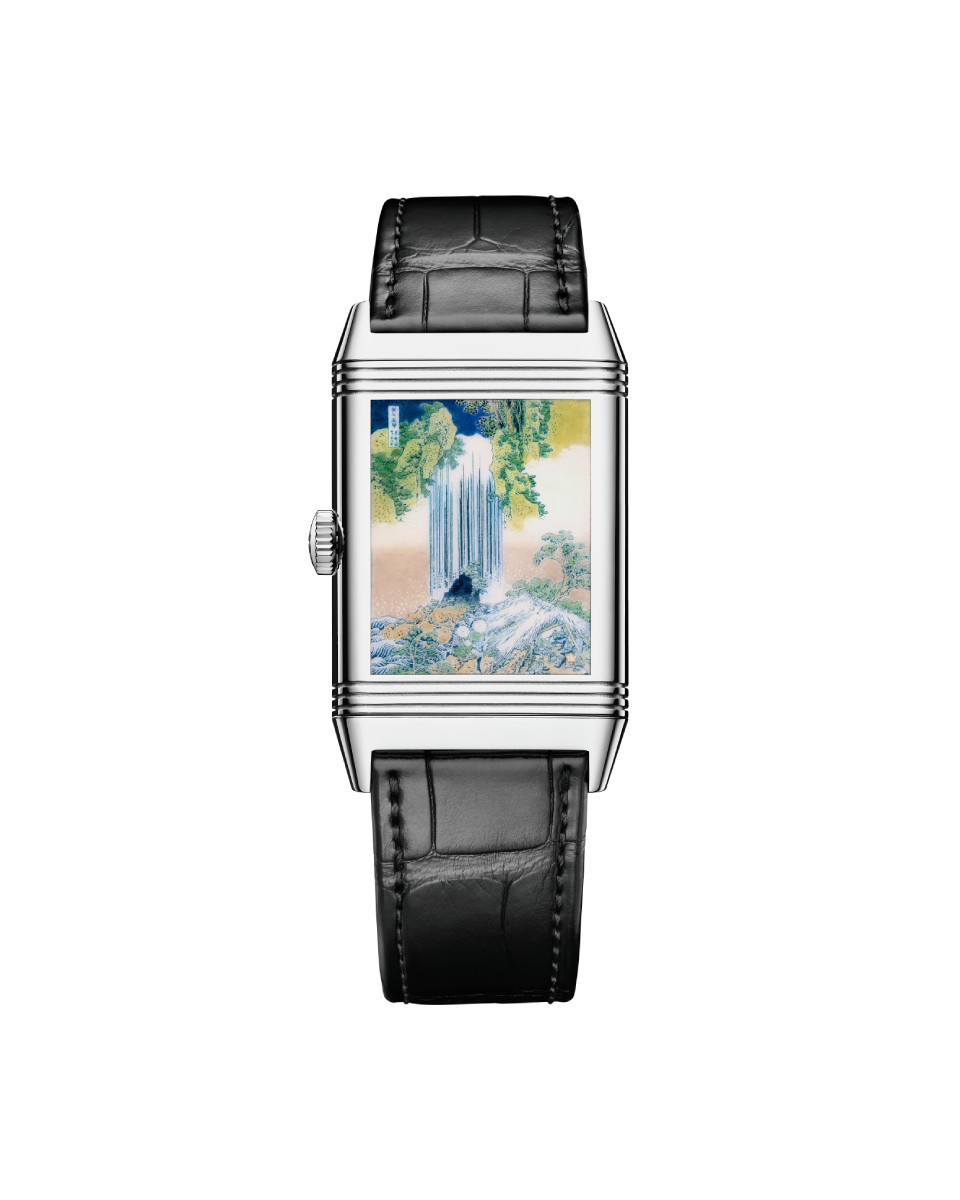
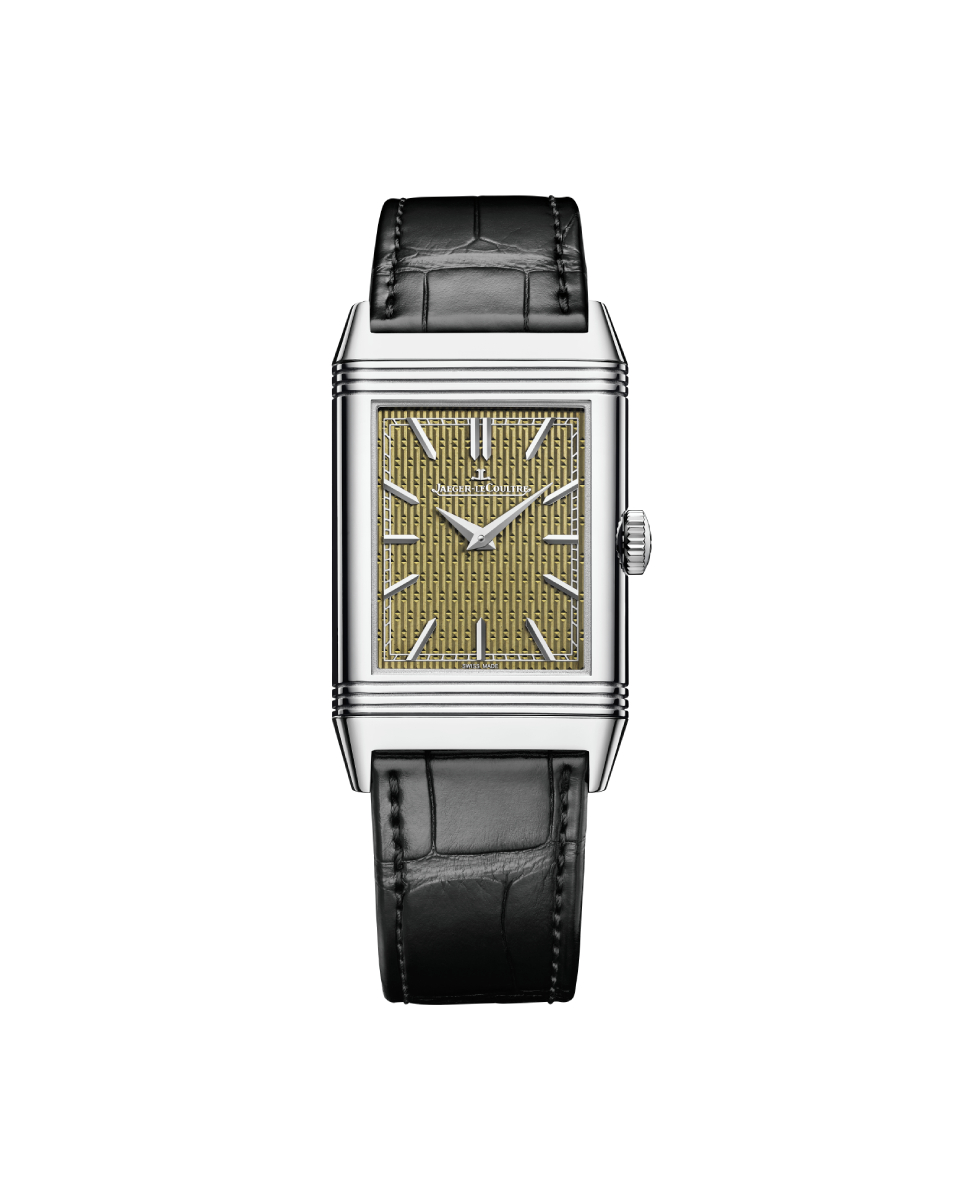
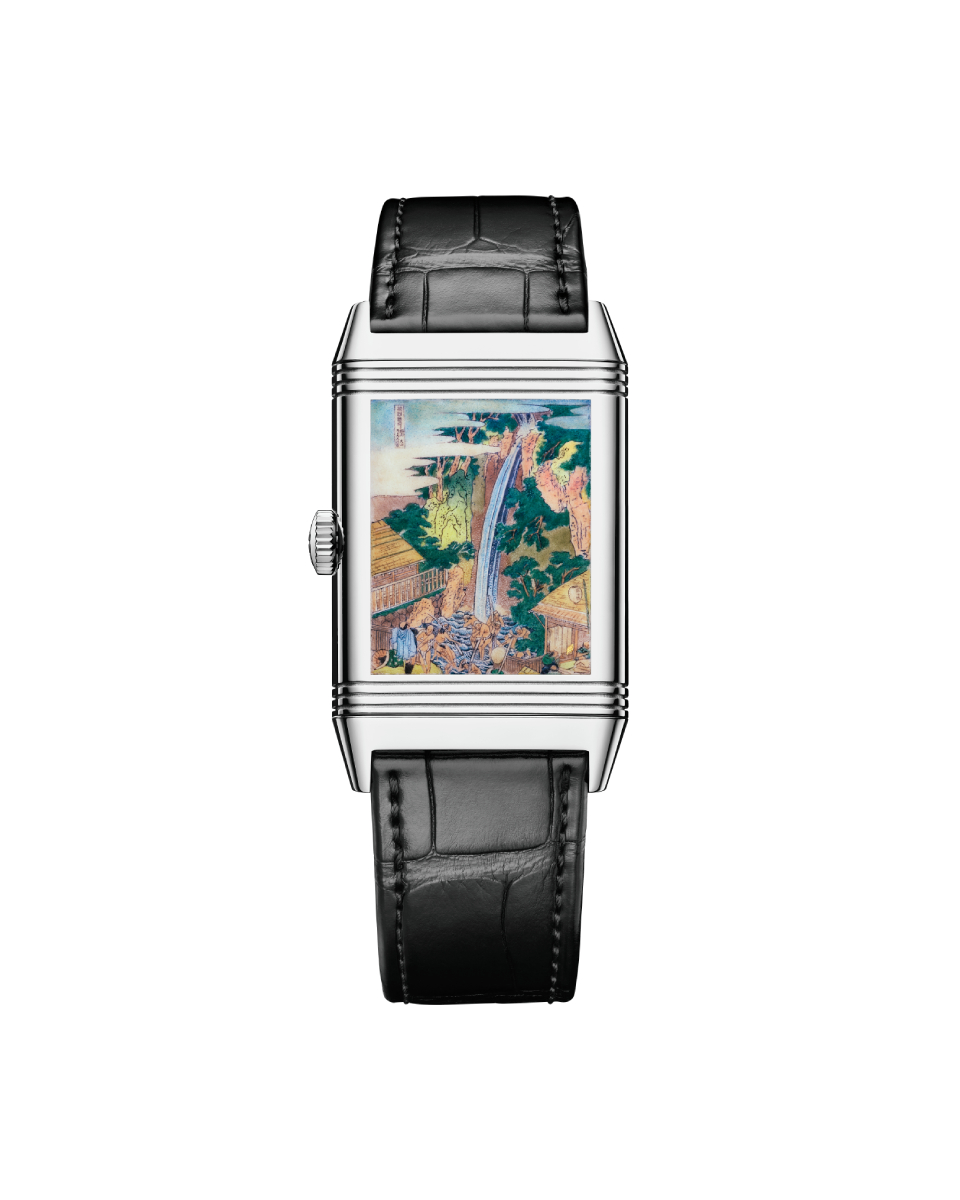
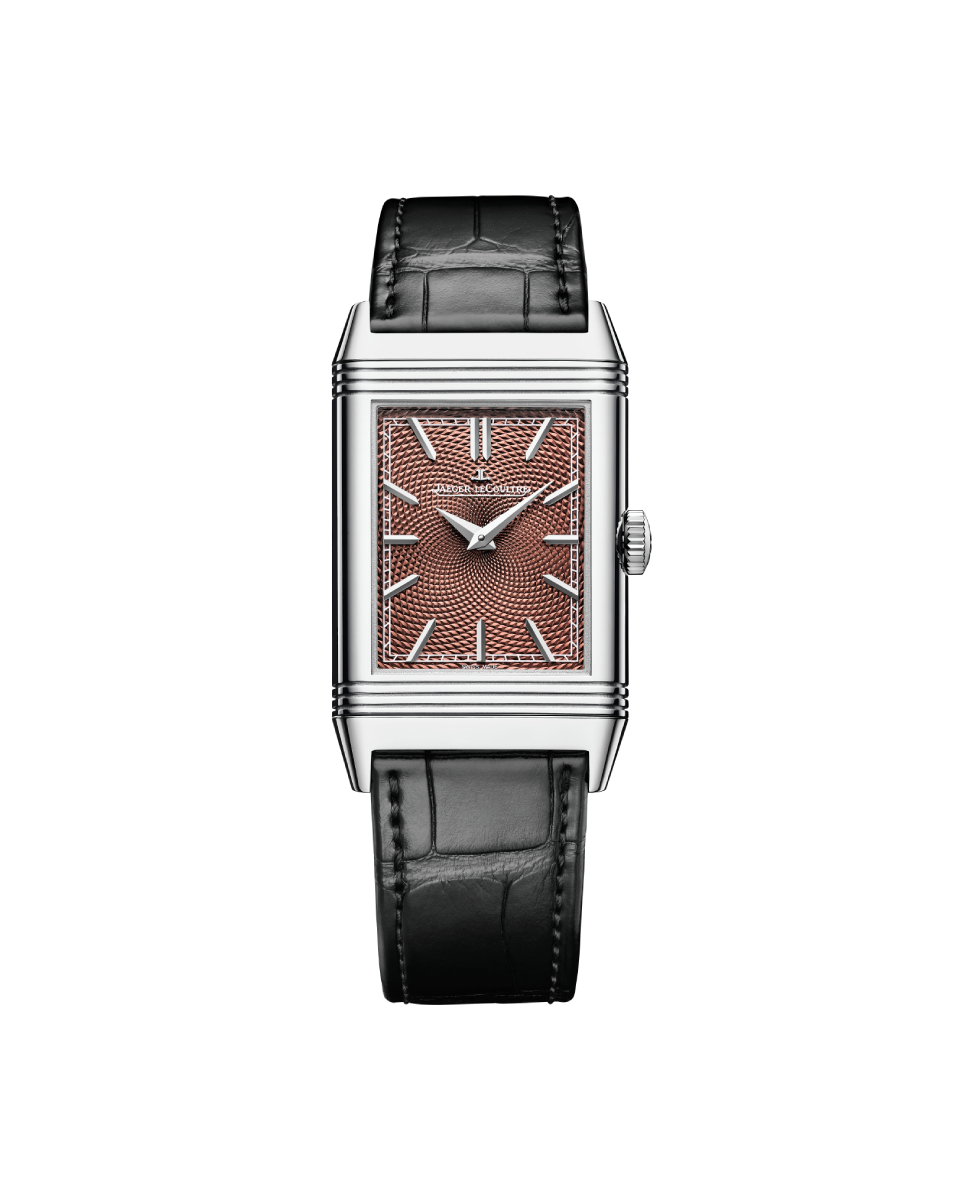
Flip the watch over and the front dial’s abstract guilloché and enamel pattern gives way to a miniature, hand-painted reproduction of a specific Hokusai print, each one taking close to 80 hours and at least 14 fired layers of enamel to complete.
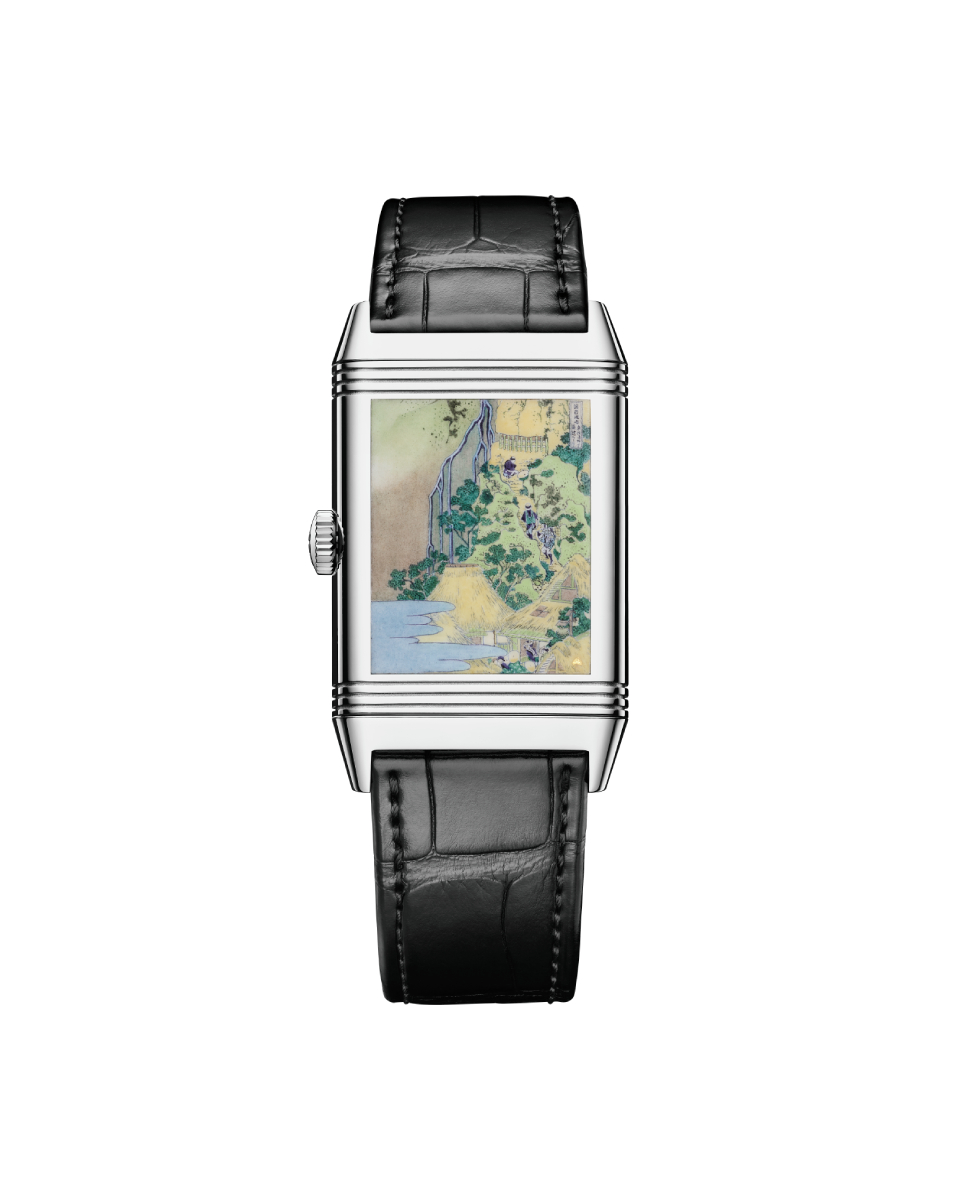
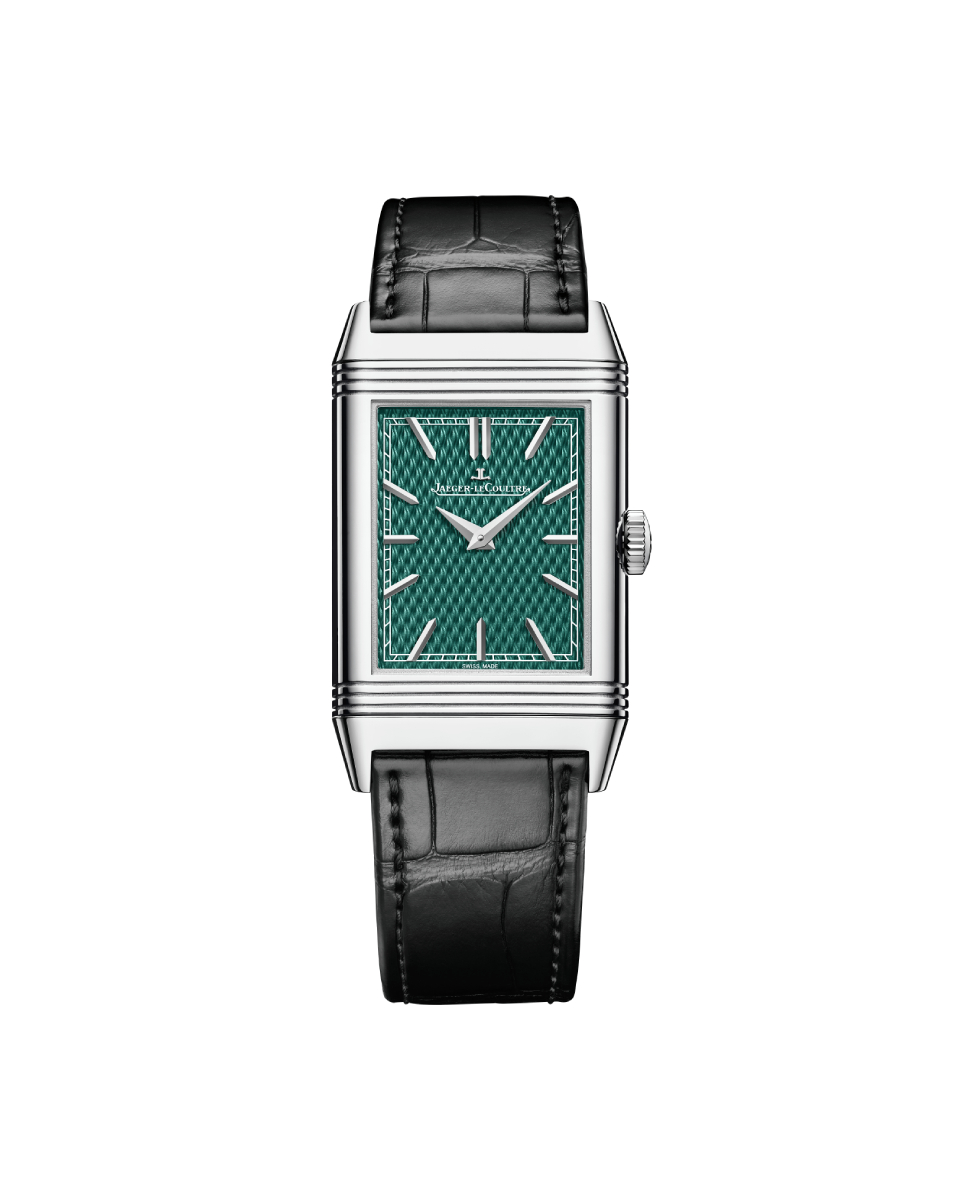
The house has matched each waterfall to its own dial colour and pattern: a walnut-brown barleycorn guilloché for the Rōben Waterfall, an emerald wavy pattern for the more delicate Kiyotaki Kannon Falls.
This is the only one of the three collaborations built on reproduction rather than invention, and its interest lies there: the idea is not to reimagine Hokusai but to disappear into him, at a scale of a few square centimetres per caseback.
Although the resulting horological creations are as distinct as they come, there is an underlying thread of creative cross-pollination.
Both the watch houses and the artists (or, in Jaeger-LeCoultre’s case, the artwork itself) bring their own expertise and imagination to each piece, to create watches that are both unique and true to the spirit of each party.