
Dave Pynt Of Burnt Ends On Stubbornness, Speed, And A Six-Hour Basque Lunch
The Burnt Ends founder on why refusing to bend and the ability to adapt fast are not the same thing.
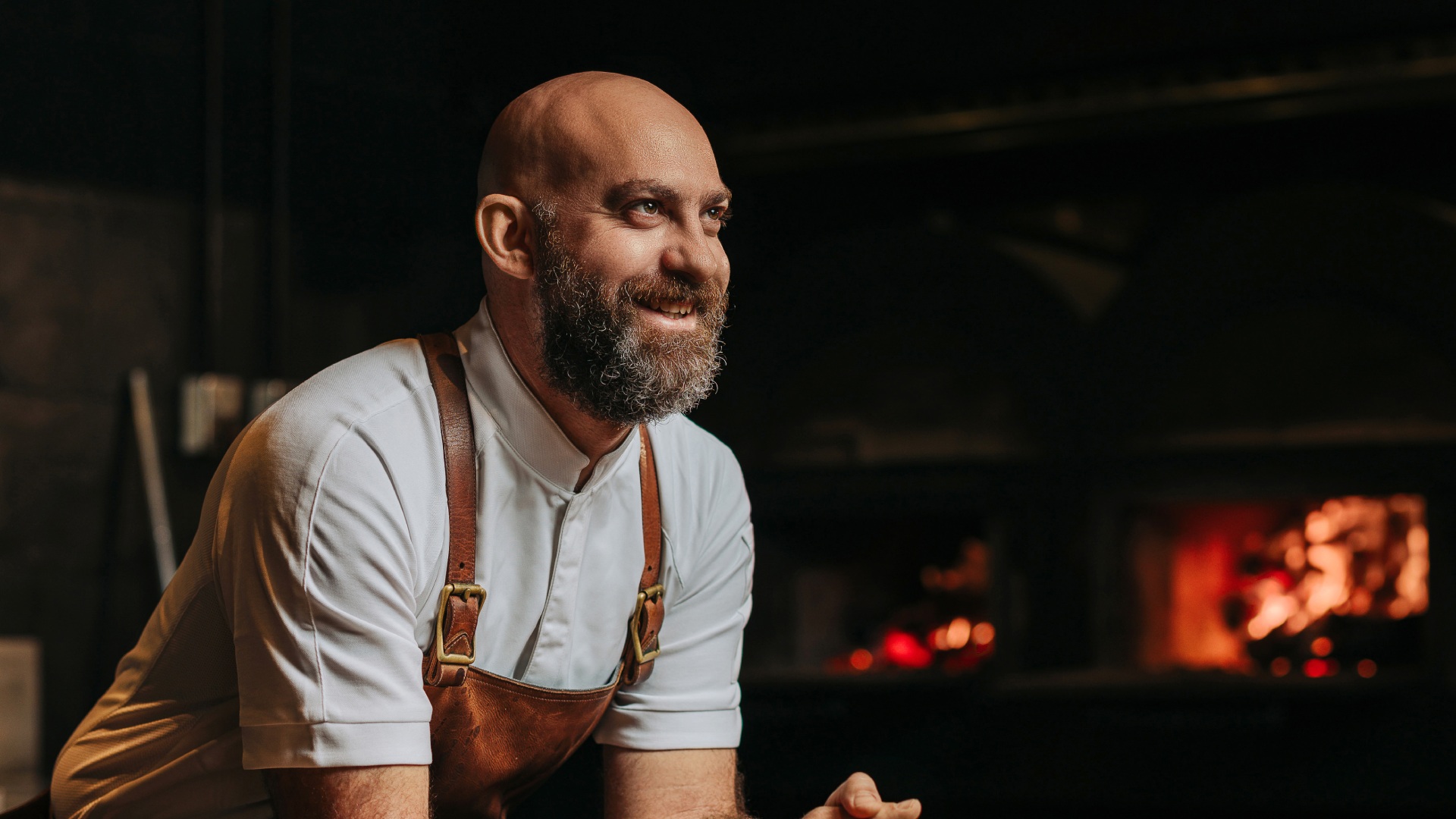
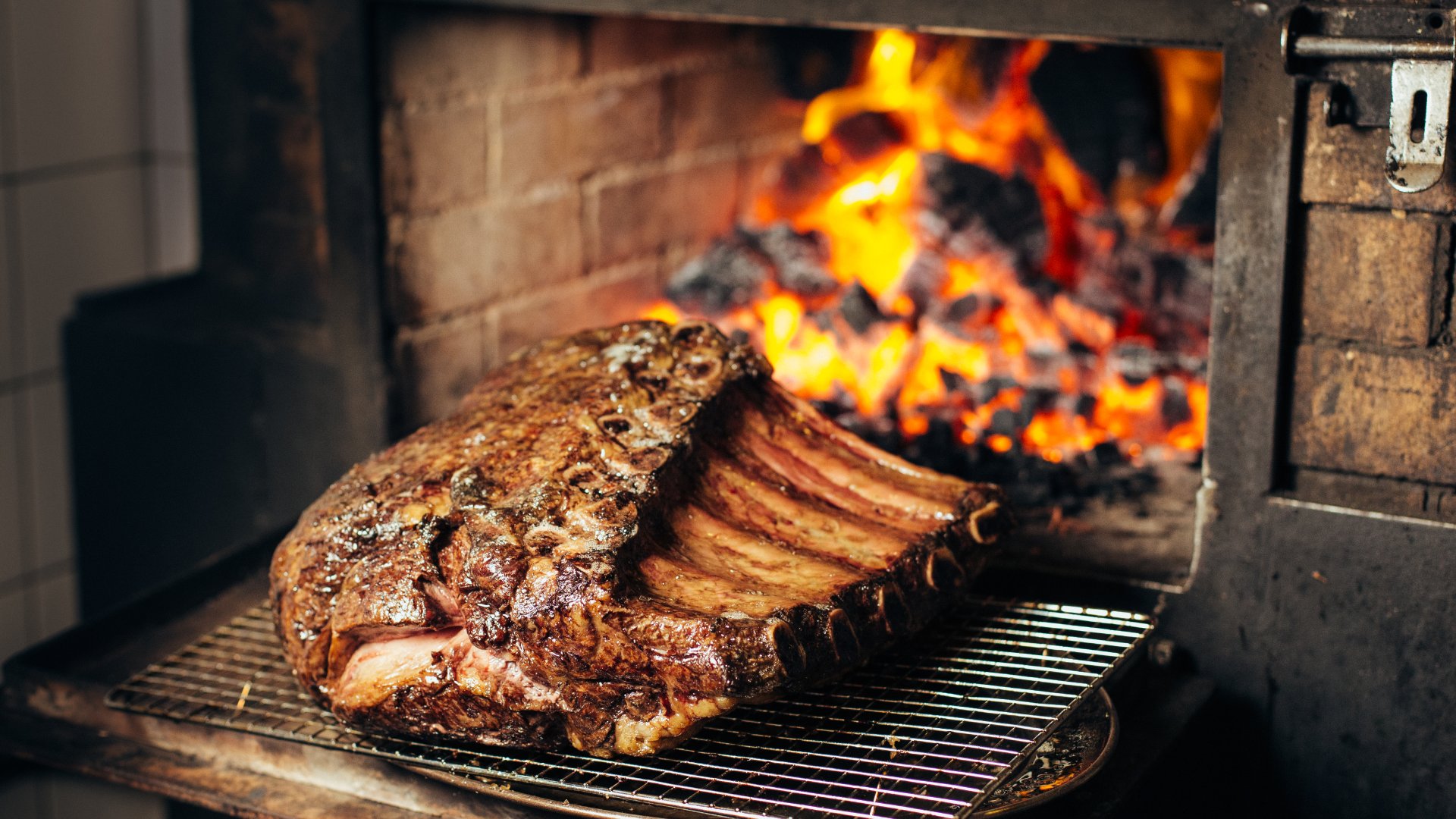
Dave Pynt is happy to tell you he is not a flexible man, which is an odd claim from a chef who has personally rebuilt his restaurant’s massive wood-fired oven—the heart and soul of his kitchen—more than once.
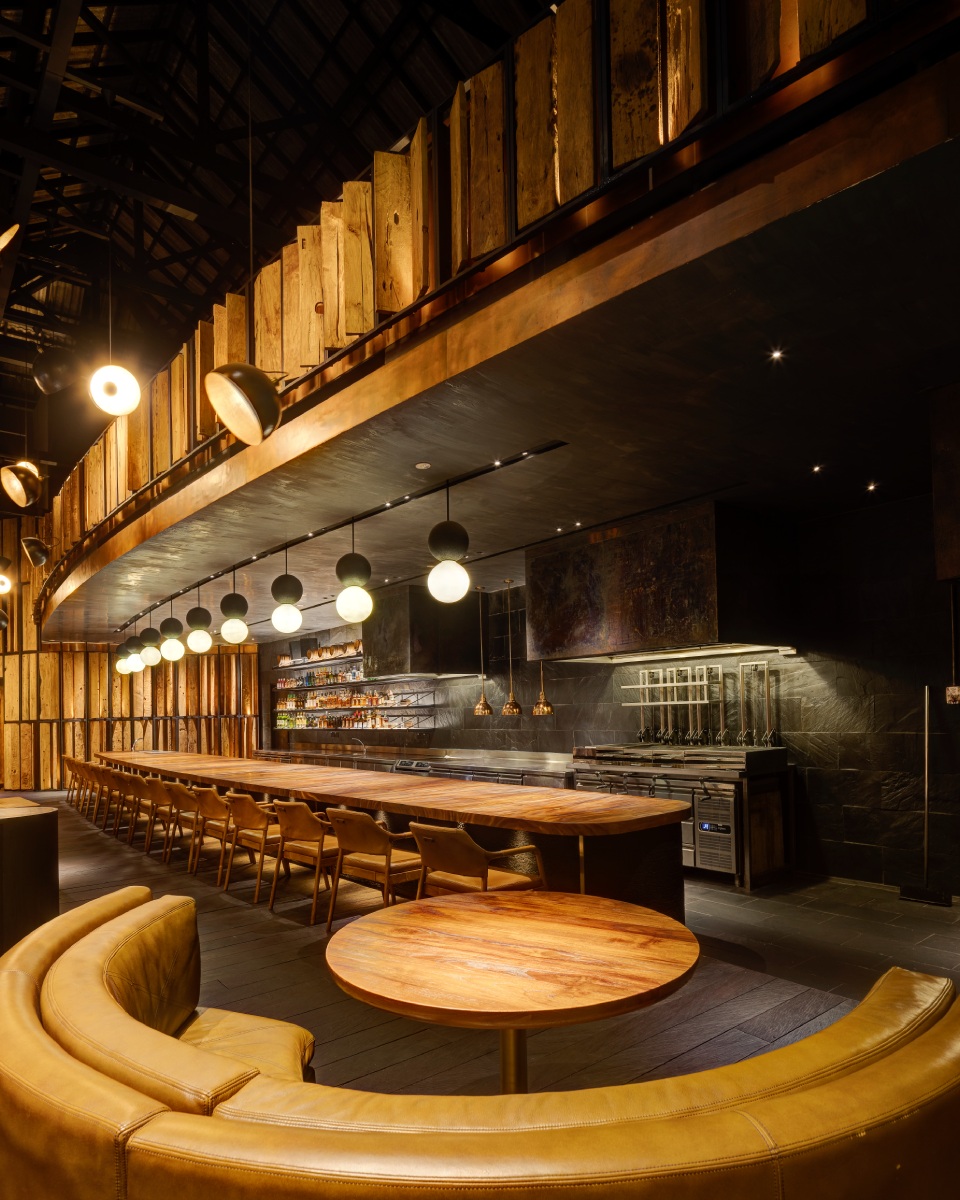
The chef-owner of Burnt Ends, the Michelin-starred modern Australian barbecue restaurant at Dempsey Hill, quickly turns over that suggestion.
“I don’t think I’m very flexible,” he says. “In my mind, flexibility is what I’ll allow my team to do.” A moment later, though, he refines the answer.
“One of the things I really pride our team on is our ability to change direction, make fast decisions, and act on them quickly. In that sense, yes, we’re 100 per cent flexible. But in terms of what the team can get away with, no.”
The direction can change, Pynt explains. The standards, though, cannot.
Much of what has kept Burnt Ends relevant since it opened in 2013 comes from holding both positions at once.
The direction can change, Pynt explains. The standards, though, cannot.
Pynt uses a driving metaphor to explain why the route keeps changing even when the destination doesn’t.
“People’s needs, wants, and budgets are constantly shifting, so if you sit still and just drive straight, you’ll probably realise you’re veering off course at some point.”
When we spoke, he was reworking the group’s bar food menu for its next stage. “It’s a case of, ‘We thought this was a good idea, but it looks like we need to go this way.’ You’ve got to adapt, then change.”
Asked whether he was always this perceptive and persistent, and he laughs.
“Ask my mum. She’d probably say no.” He does admit to a childhood spent pushing himself physically, which taught him that endurance is mostly a matter of not stopping.
“I don’t get scared by problems,” he says. “A problem will never worry me.”
A Crowded Table
That sense of calm is useful in Singapore.
Pynt doesn’t accept the common complaint that diners are going out less. “We still can’t even get a table in Singapore,” he says.
As he sees it, two pressures squeeze established restaurants: fewer visitors than before the pandemic, and a constant stream of new openings.
“Everyone loves a new venue,” he says. “It’s hard to keep your footing in Singapore, and it’s not because you’re doing anything wrong, or you’re a bad restaurant, or you’ve lost focus.”
Pynt’s answer is to stay clear about his vision. Burnt Ends works, he says, “in a really tight little box: wood-fired cooking, barbecue,” with a concept that is “not easily replicable.”
Burnt Ends was your first business in Singapore. Was it your first time here?
I’d been here before, but never to do business. I’d probably come as a kid or a young adult with my parents, because they have family friends here. But I’d never been on my own, for a holiday or for business.
Did you ever imagine Burnt Ends working with brands like luxury watchmaking house, Audemars Piguet (AP), with which you collaborated to develop the menu for its branded AP Café at Raffles Hotel?
Never dreamed about it. The projects, all the opportunities, they came to us.
When an amazing brand comes to us and says, ‘Do you want to work together on this?’ and the project is niche, that’s really cool, even if it’s going to be a lot of hard work.
We get insight into how these huge brands work, the way they think, the way they operate. The ability to learn from them is insane. We get access that probably not many people in the world would ever get.
What does a great meal give people?
Food has the ability to make people happy. When you get to sit down and have an amazing meal with amazing friends, it’s one of the best things in the world.
When did you last feel that?
We went to Ibiza with some friends. Me and my mate went to a butcher’s shop, bought some massive chuletones, and we were at home.
We opened some great champagne, some great wine, cooked the chuletones on the barbecue. We had the kids swimming in the pool, we were drinking, listening to music, and having the most amazing time.
An amazing meal with amazing friends is one of the best things in the world.
Share your most treasured food and travel memory?
For my 40th, we took the family to Asador Etxebarri in Spain, where I used to work.
It’s about an hour and a half’s drive from San Sebastián.
We got there at half past 12, had the full tasting menu, and finished at half past six that night. For lunch. Six hours. We had amazing produce, amazing wine, we were in the countryside, we didn’t have our phones out, we just talked about the food.
How did the children handle a six-hour lunch?
I remember one of them saying, ‘Dad, I think this is the best prawn I’ve ever had in my life,’ and I said, ‘It had better be, because it probably is the best prawn you’ll ever eat.’
We went outside at different points and had a walk because there was so much food and wine. The kids played in the playground, we talked about the mountains.
It’s moments like that, shared with family and friends in special places, where you realise life’s pretty good.
Do you like watches now, after working with AP?
I never really understood the craftsmanship and detail that goes into making high-end watches. Through our work with Audemars Piguet, I was able to go to Le Brassus, the home of the brand, tour the manufacture, and meet the teams behind it.
I went to the watchmaking studio and really started to understand the craft. Before that, I’d never looked at your wrist. Now, the moment you walk through my door, I’m looking at your wrist.
Do you own one?
I don’t have an AP yet. I’m saving up for one. There’s one I’ve really set my heart on: the black ceramic openwork Royal Oak. Whether I get access to it is a completely different question.