
Four New Hotels Near Singapore That Justify Taking a Week's Leave
Hotel openings that just a skip away make a fresh case for using annual leave closer to home.
Most Singaporeans keep a mental list of places reachable before the annual leave runs out.
It is short and well worn: a Bangkok weekend, a KL food run, or Seoul when the weather turns. The destinations rarely change. What changes is where you stay, and over the past year that has become reason enough to go back.
What the region’s recent openings share is an understanding that a hotel now has to do more than house its guests between excursions.
It has to give us somewhere worth lingering, and a reason to eat in, sleep well, or spend a morning in the spa rather than the shops.
Waldorf Astoria Kuala Lumpur, Malaysia
Kuala Lumpur is the getaway Singaporeans most often treat as an errand: a shopping run, a wedding, a weekend of eating.
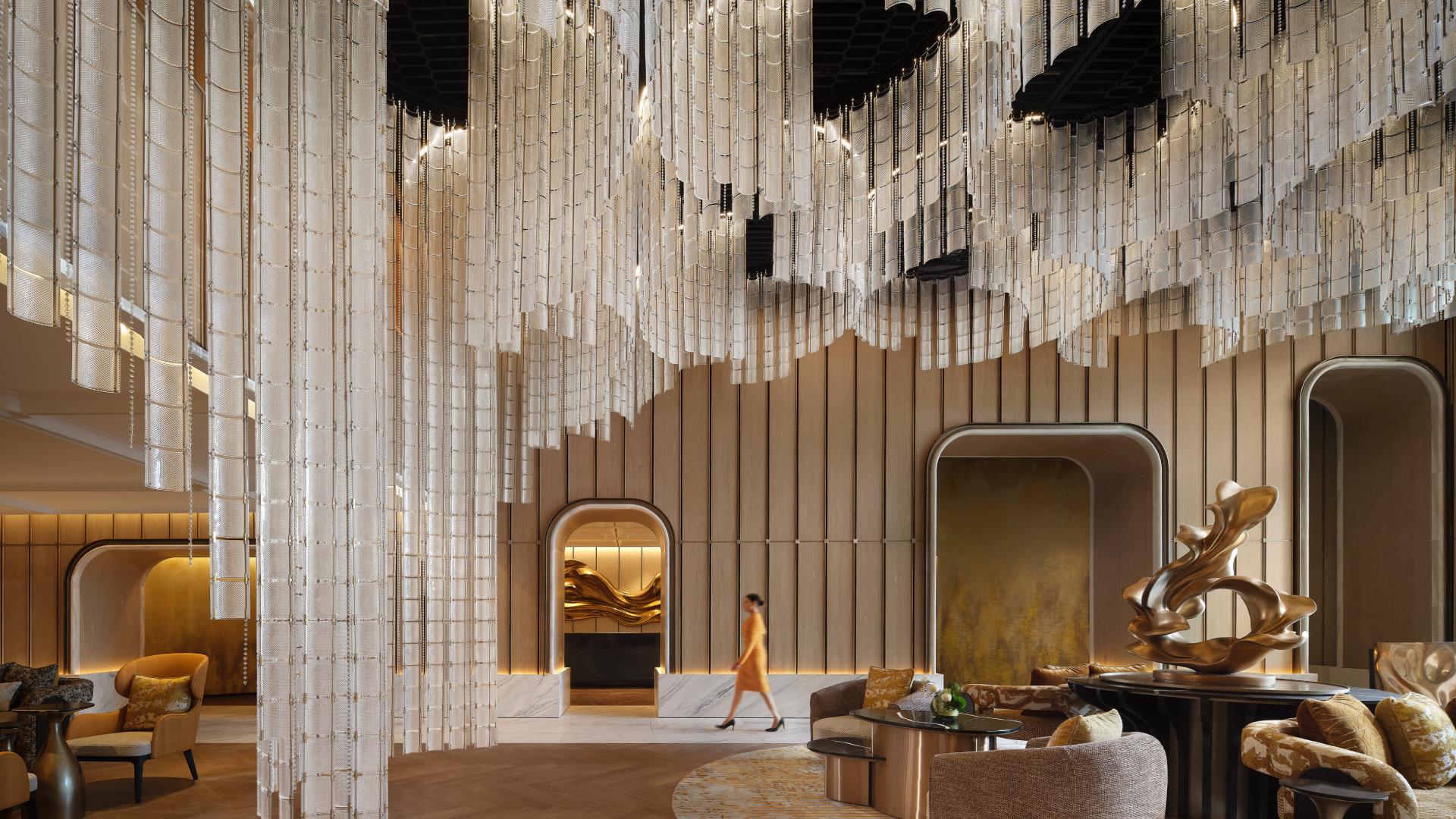
Waldorf Astoria, which opens its first Malaysian hotel in the city’s Golden Triangle on 30 October 2026, makes a case for going to do very little at all.
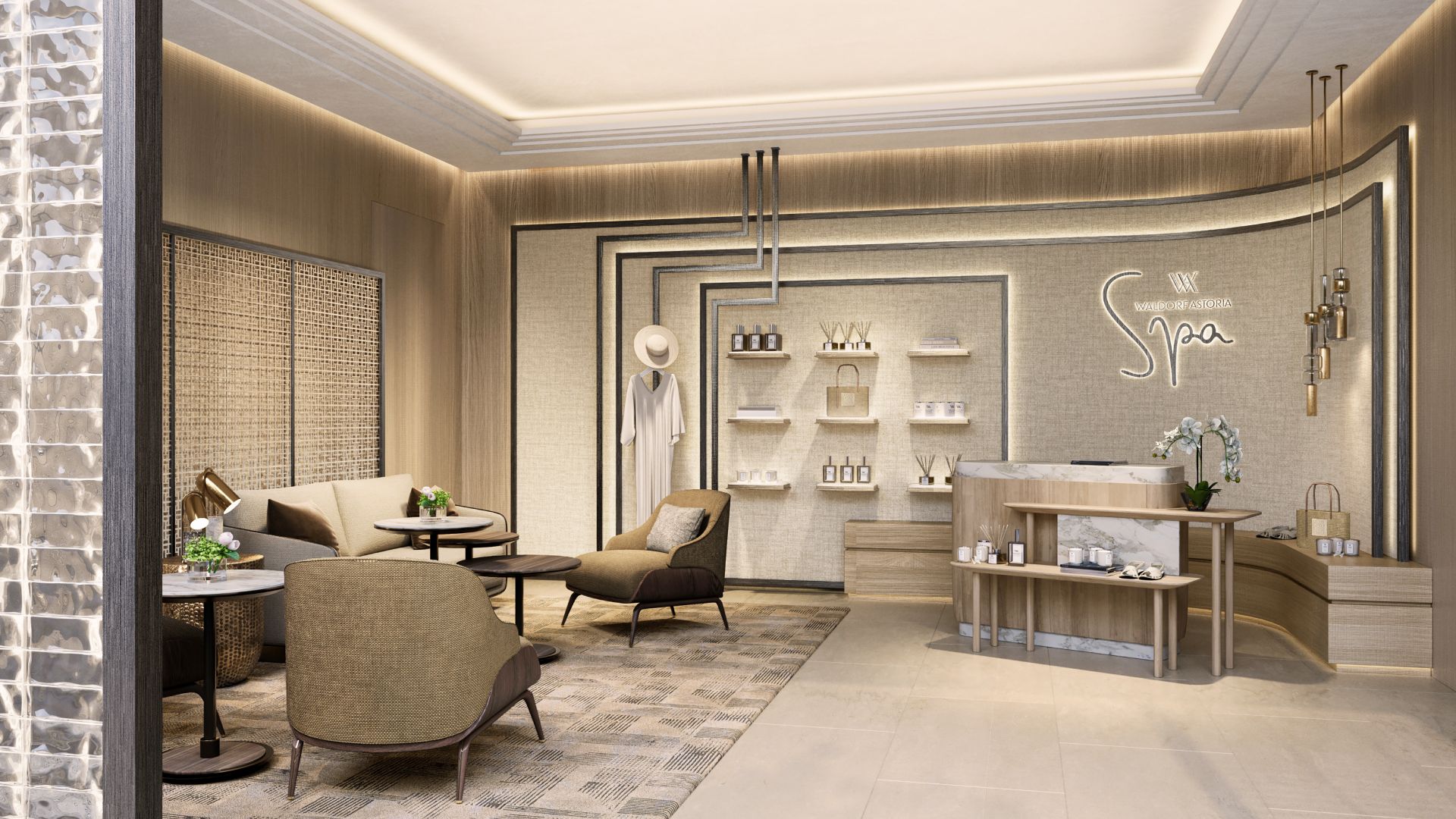
The all-suite property gives over more than 2,275 sqm across two floors to wellness.
Its spa runs La Prairie treatments alongside herbal steam rooms, mineral salt saunas, and an Oriental hammam, and its signature ritual, built around warmed tiger’s eye gemstones, nods to the Malayan tiger.
The Wellness Studio leans clinical: an AlterG anti-gravity treadmill, a MECOTEC cryotherapy chamber, and Technogym’s AI-powered fitness assessment.
A private wellness membership, open beyond hotel guests, suggests the facilities were built for regular use rather than occasional indulgence.
Fairmont Bangkok Sukhumvit, Thailand
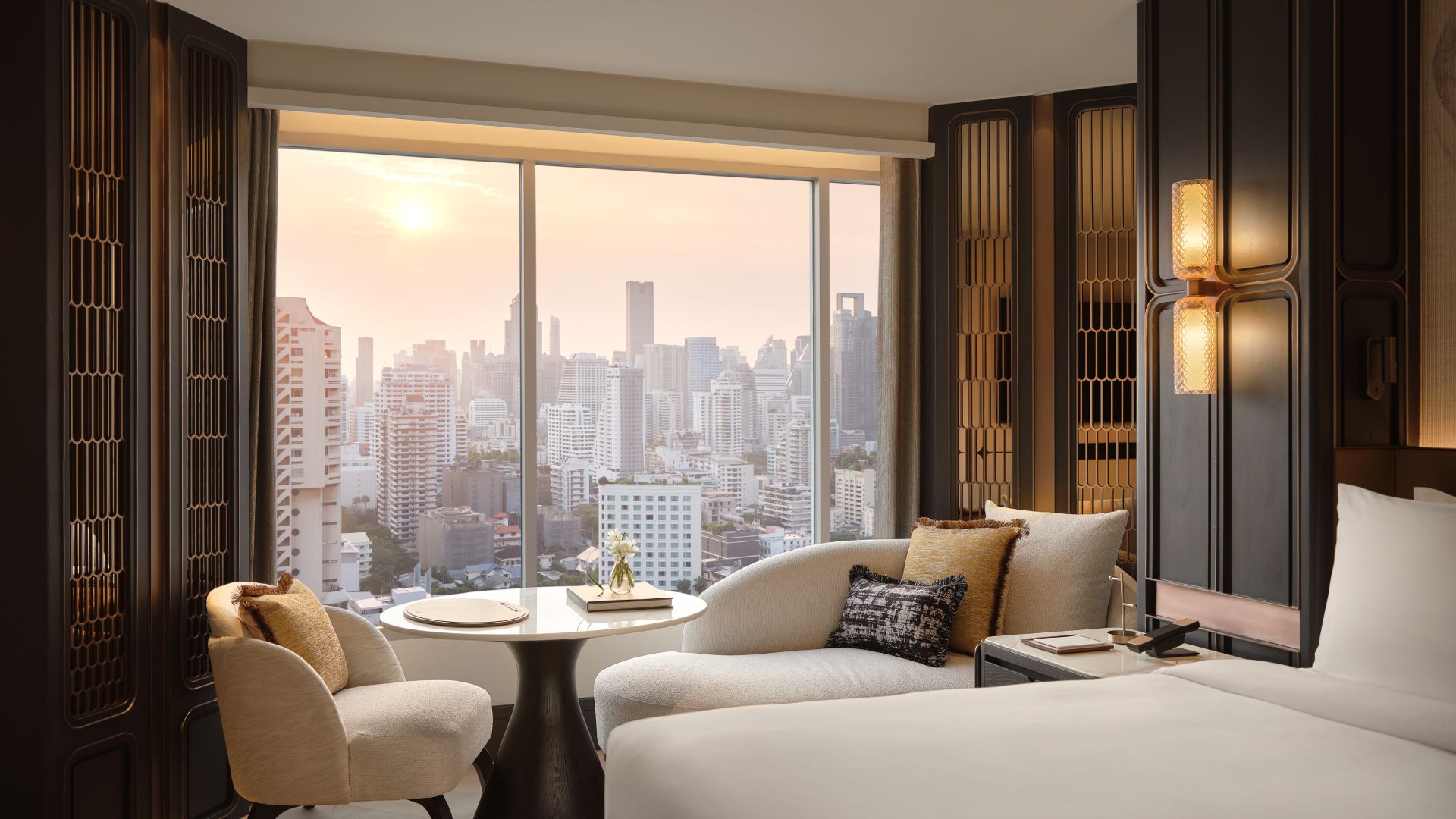
Bangkok’s luxury end is crowded, and a 474-key hotel with three floors of event space would not ordinarily make this list.
What earns Fairmont Bangkok Sukhumvit, the brand’s first hotel in Thailand, its place is what happens below ground.
Wiggle Room, a cabaret supper club with its own entrance on Sukhumvit Soi 18, pairs live music and stage performance with dinner and cocktails, and gives a weekend here an evening plan that doesn’t involve crossing town.
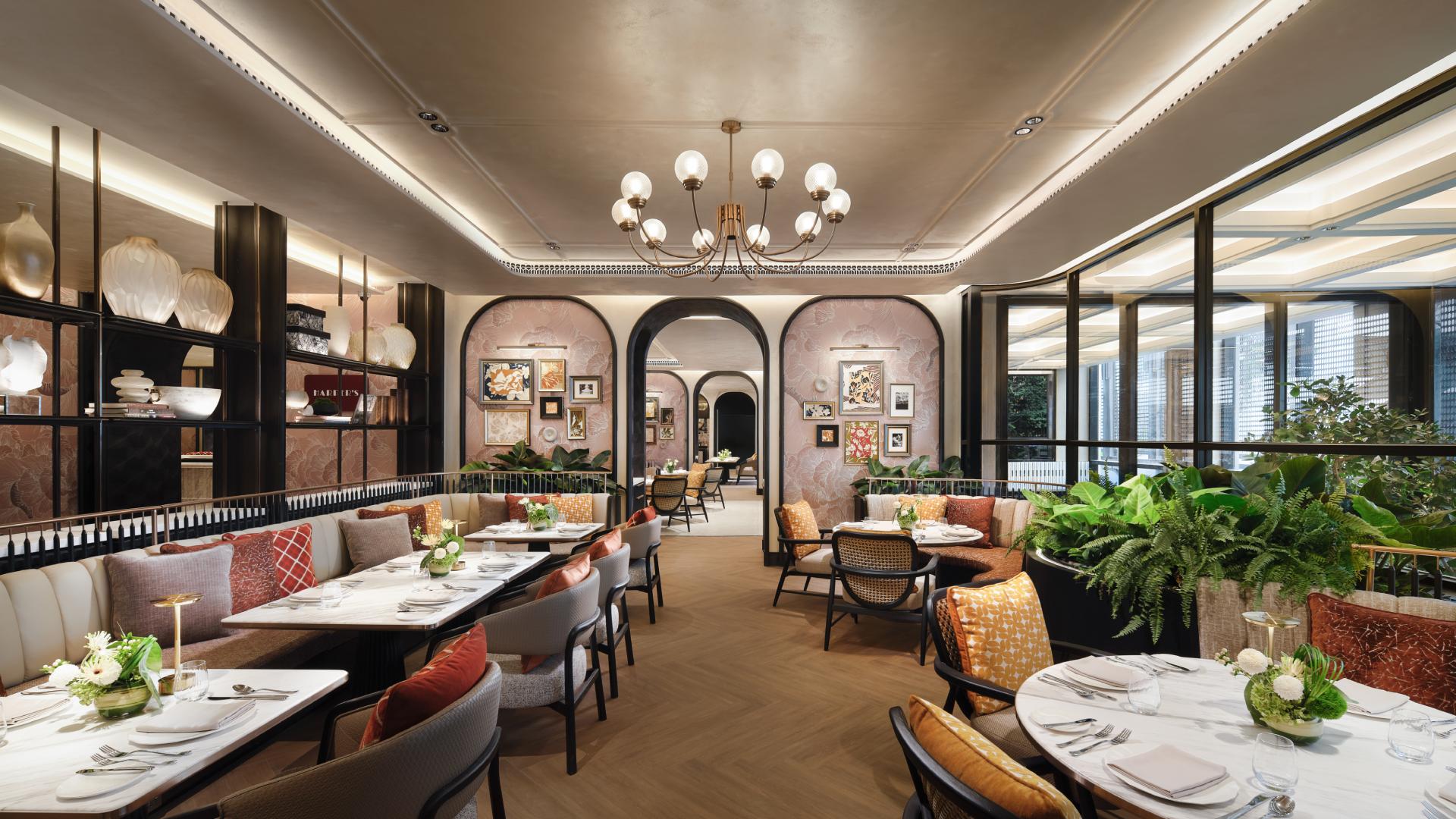
Upstairs, Thai design practice PIA has threaded the national flower, the golden ratchaphruek, through the interiors, most conspicuously in a lobby chandelier of 4,166 glass pieces.
Harper’s covers the brasserie hours, while CAYA Pool Club takes its cue from the city’s night markets.
Time the visit for after December, when two rooftop restaurants open across levels 32 and 33, one Italian-Japanese, the other contemporary Thai. Book Fairmont Gold for the private lounge and a quieter check-in.
The Barai Hua Hin, Thailand
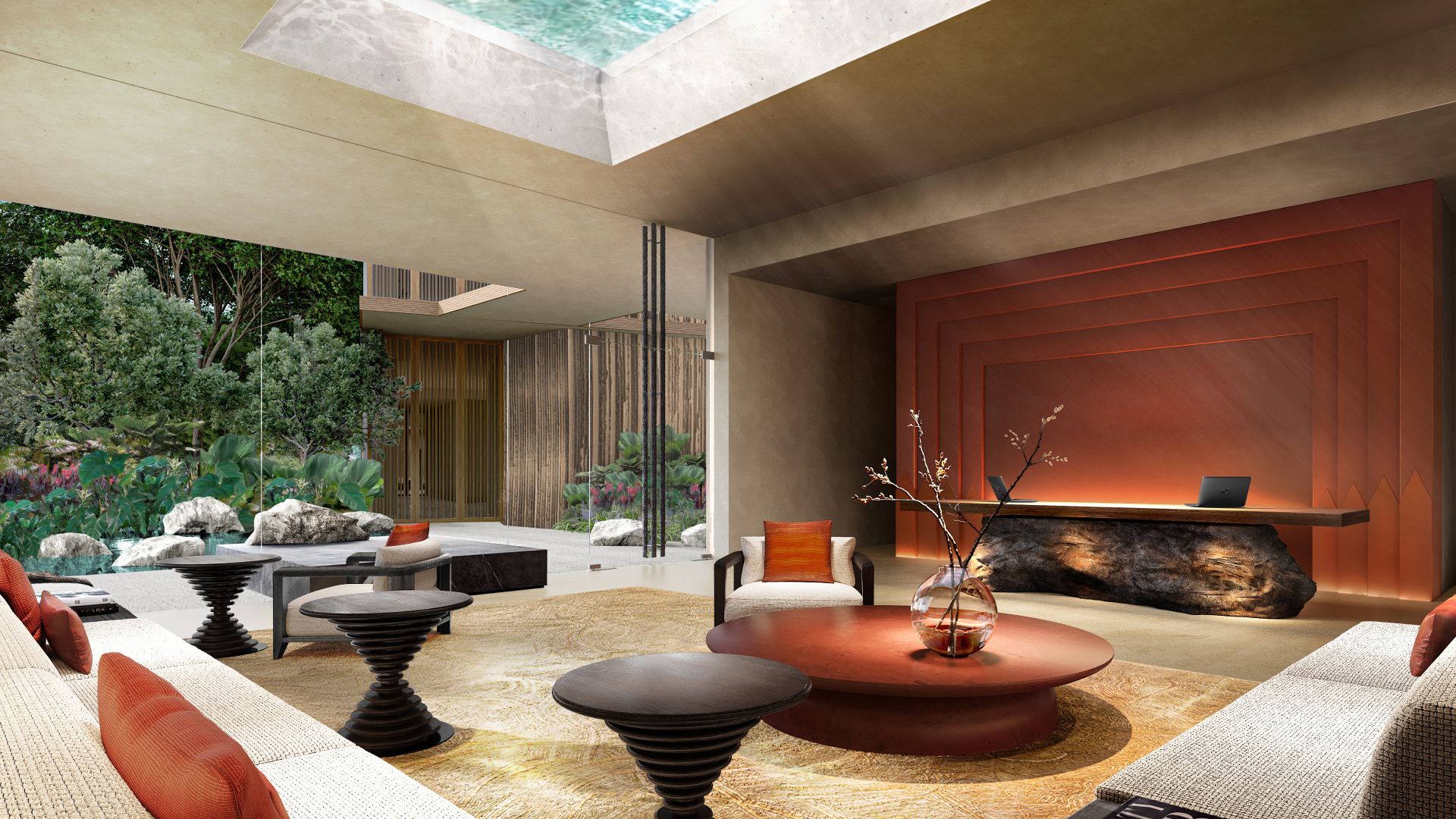
Three hours’ drive south of Bangkok, The Barai built its name as a spa long before it took overnight guests in any number.
Opened some 20 years ago alongside the Hyatt Regency Hua Hin on the Khao Takiap coast, Lek Bunnag’s composition of rust-red walls, shaded colonnades, and still reflecting pools has now been expanded into a 98-room resort, the first in Thailand under Hyatt’s Unbound Collection.
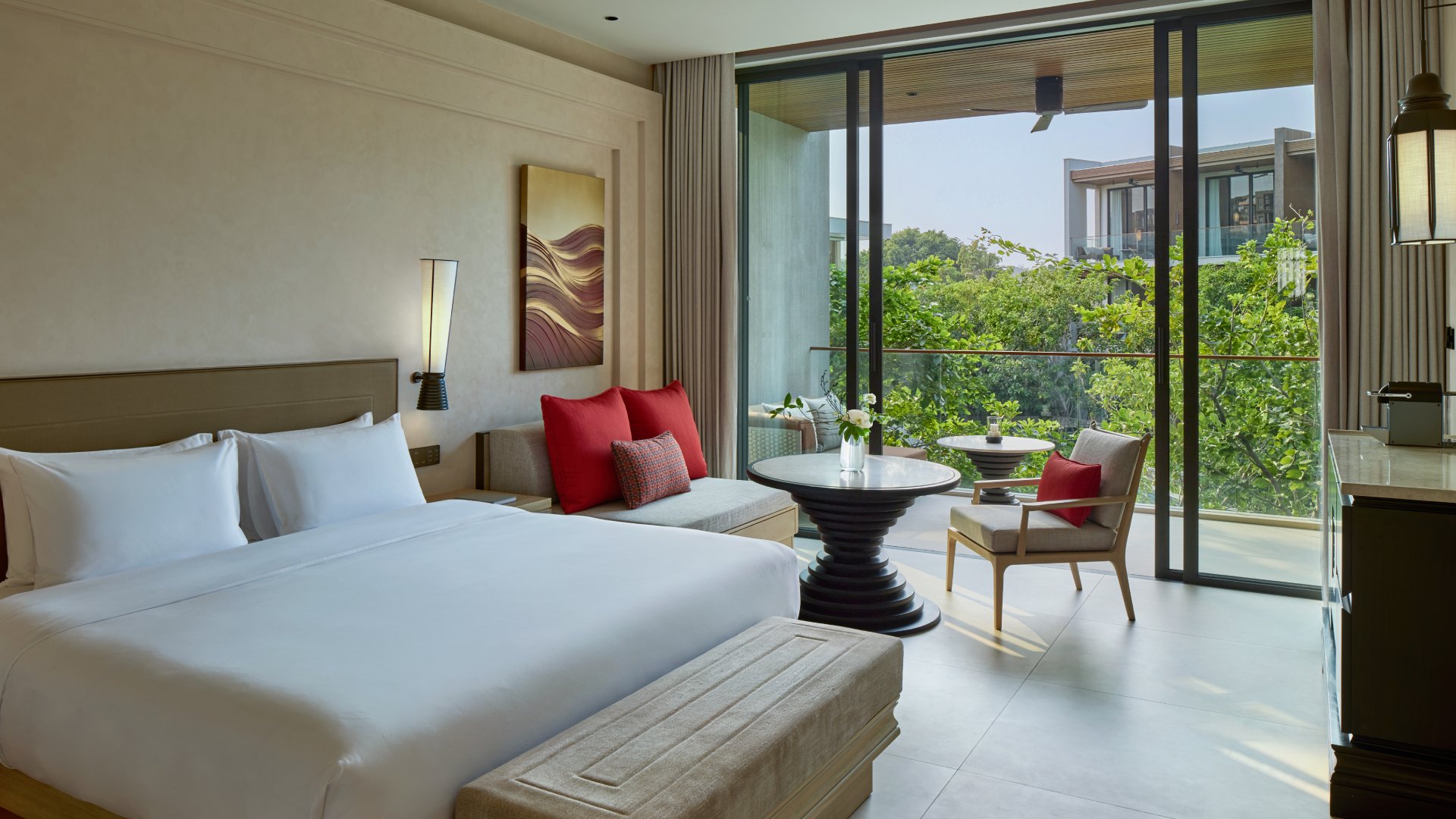
Among its 27 suites and two two-bedroom penthouses, the higher categories come with butler service and a daily massage.
A new Wellness Hub adds programmes in sleep recovery, back care, and longevity to the spa’s original remit.
Chef Benn Rowe oversees both restaurants, the more storied of which is McFarland House, a restored 19th-century beachfront pavilion that was once the seaside retreat of the physician George Bradley McFarland, and is known now for its Sunday brunch.
Auko Eco-Wellness Lodges, Vietnam
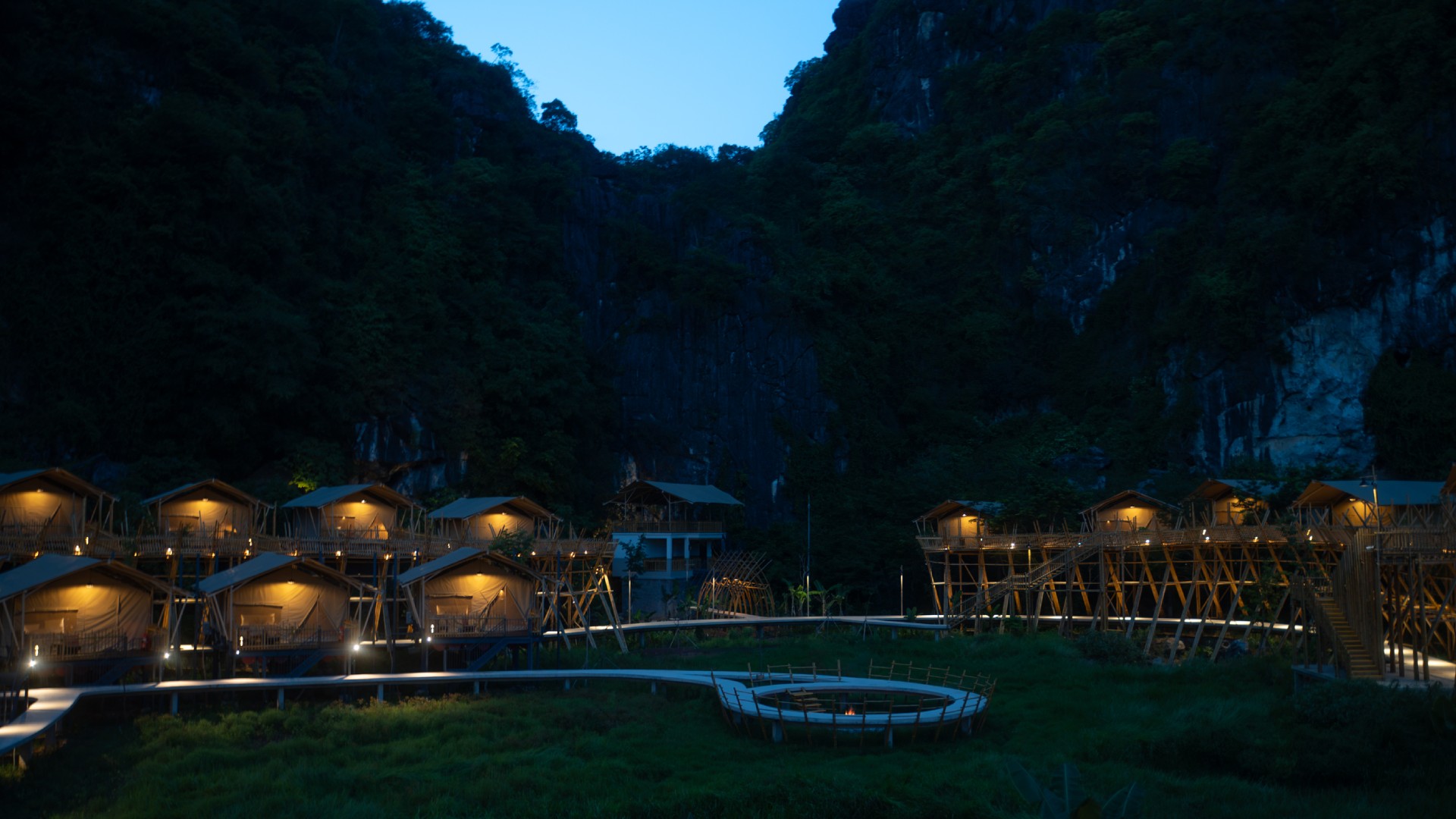
Auko is this list’s one deliberate step into the wild.
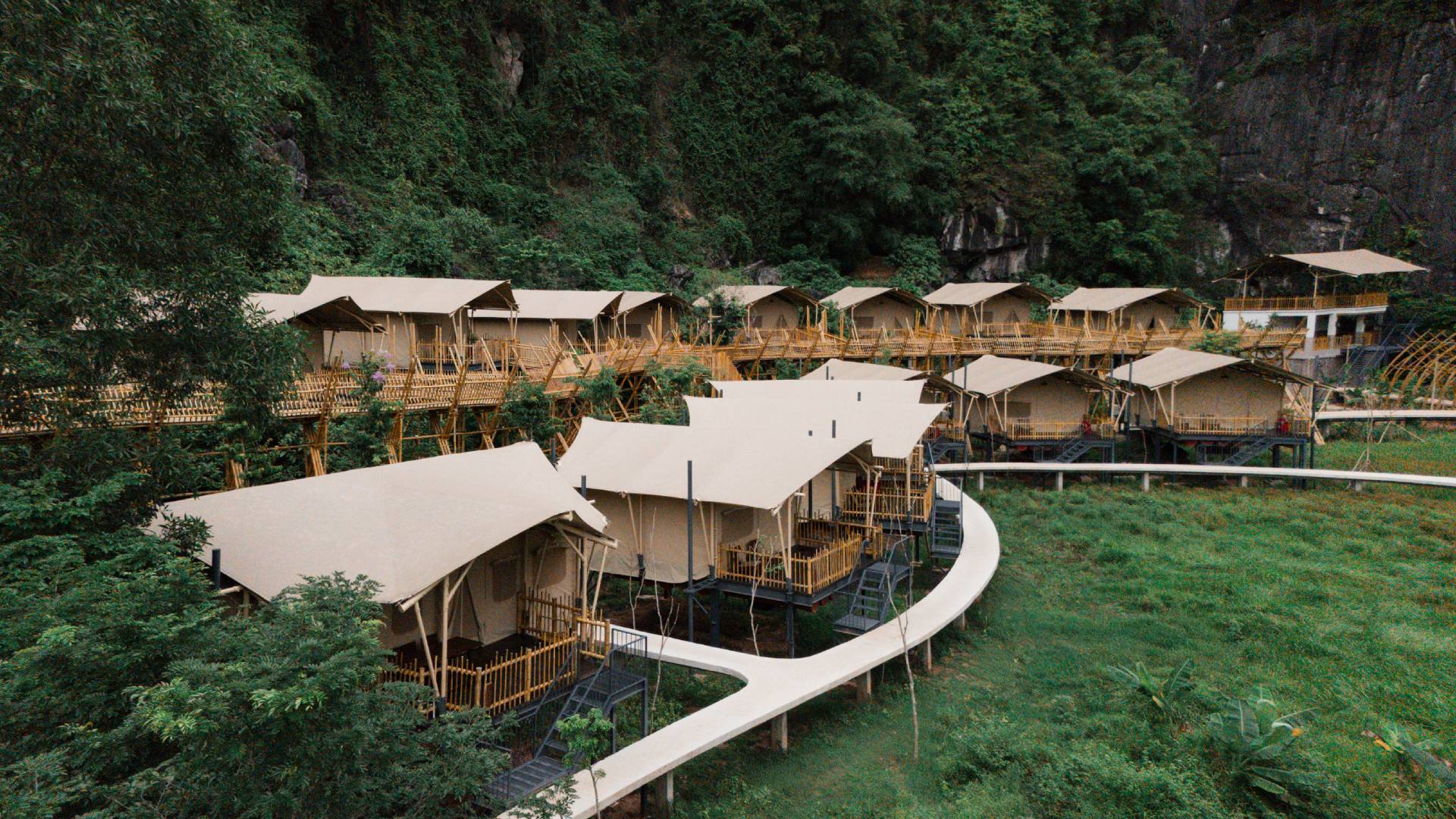
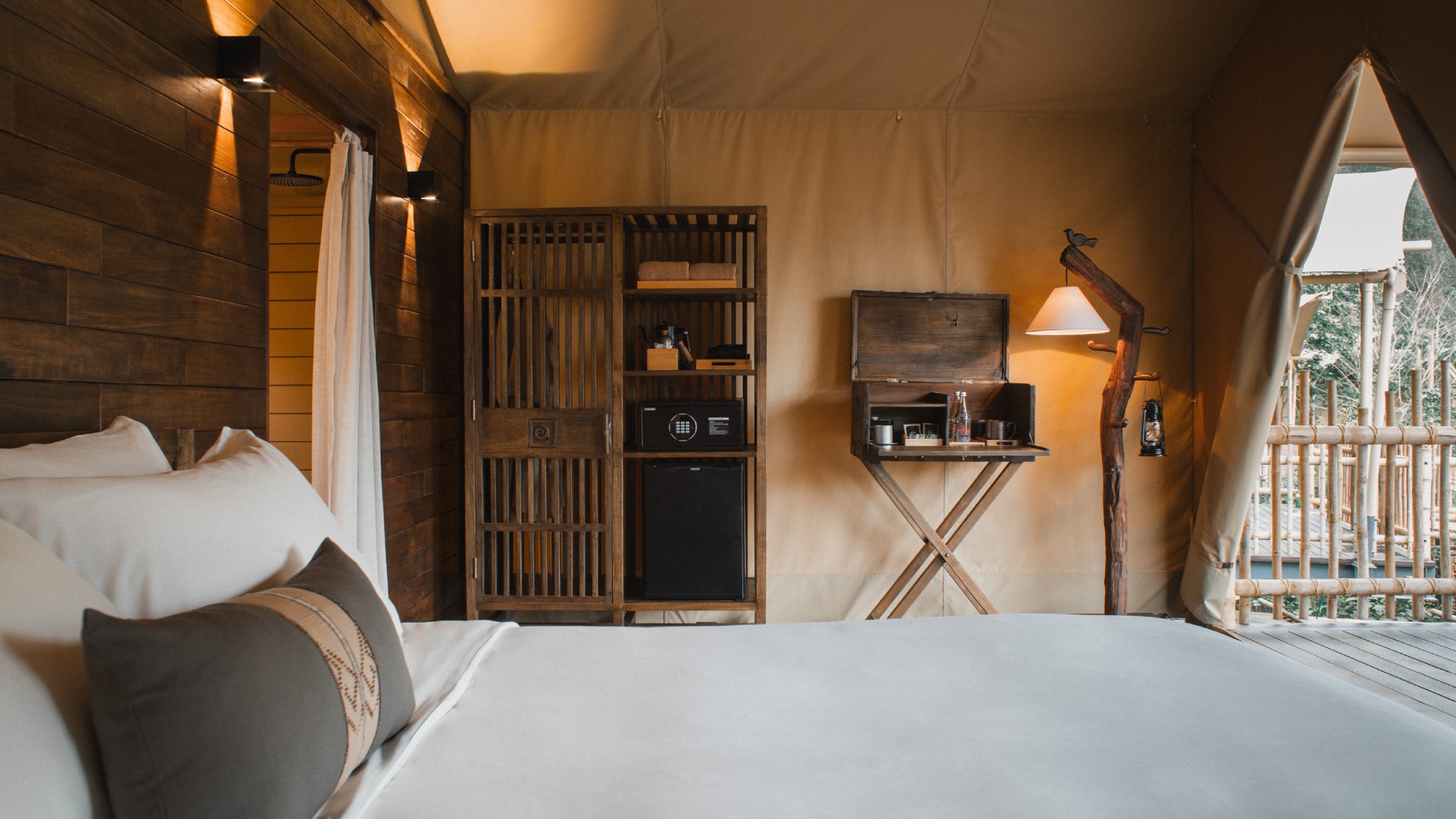
Opened in July on the Son River at the edge of Phong Nha–Ke Bang National Park, a UNESCO World Heritage Site, it comprises 30 tented lodges linked by bamboo walkways raised above the river’s historic flood levels, each with an open-air bathtub.
The stay is all-inclusive and built around wellness: clay hydrotherapy, forest showers, and a clifftop cold plunge, with three meals a day at Origin, which cooks with foraged herbs and river fish.
Be clear about what this is. Son Doong, widely recognised as the world’s largest cave, lies within the park, but an expedition there is a separate, permit-limited undertaking booked months ahead.
Auko offers river boating and trekking, and two of its three programmes, the Still Way and the Wild Way, launch in the final quarter of the year. Getting here means a connection through Hanoi or Ho Chi Minh City to Dong Hoi, then an hour by road.