
Build A Home Bar Covering Aperitifs To The Final Dram
Curate fewer bottles but choose them wisely to work across an entire evening.
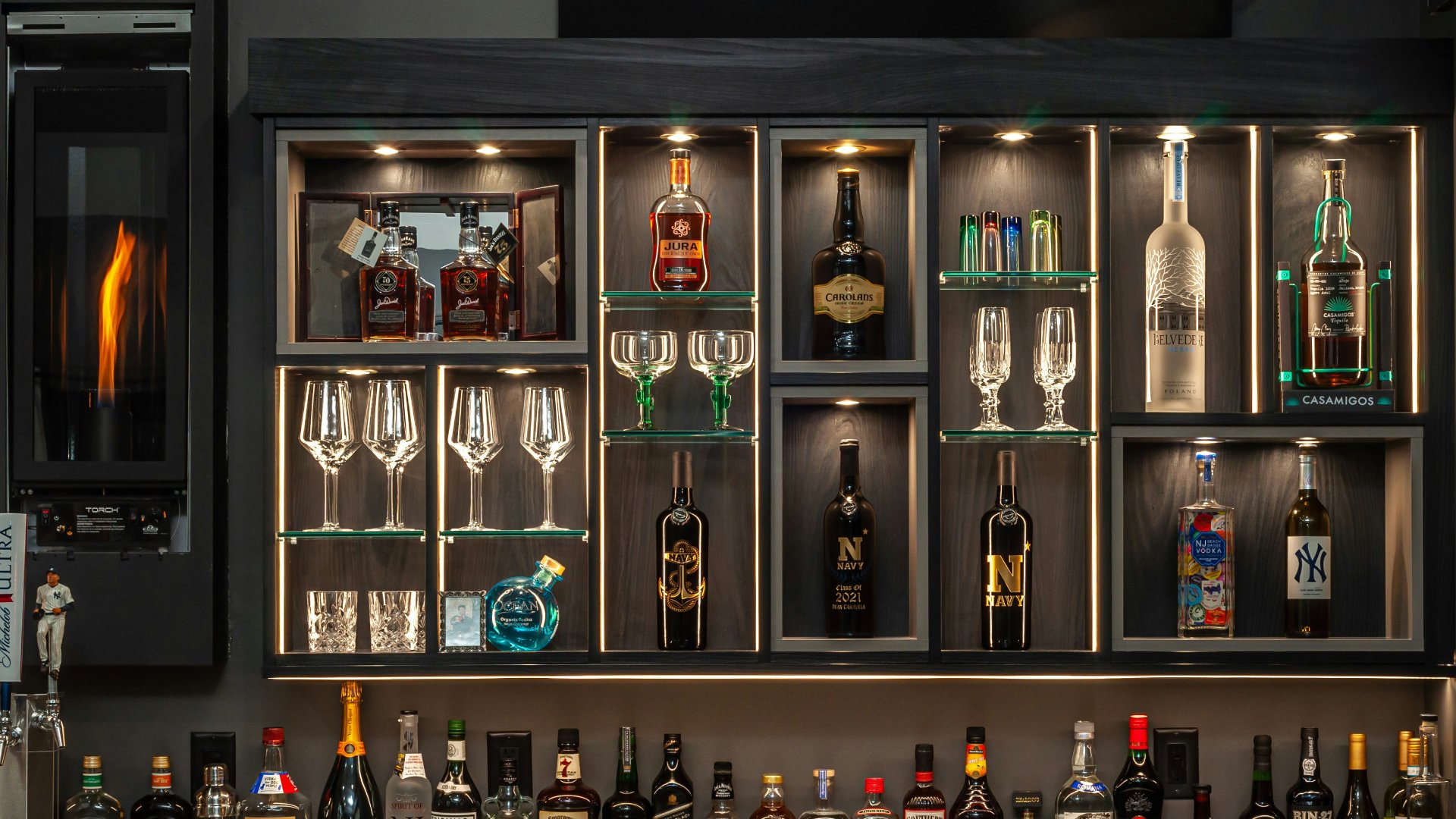
More does not necessarily mean better for your home bar. A bottle brought back from a holiday, a gift of port never opened, three vodkas bought for three separate parties.
Even as the shelf fills, you sometimes wonder why there is still nothing to make a decent drink with.

The better approach is to consider the opposite. Select your sprits carefully—in this case, we recommend nine—so that each can do more than one job.
Even better, this all-star line-up will carry an evening from the first aperitif to the last pour of whisky among close friends, and leave nothing gathering dust.
Before The Meal
The aperitif hour runs on bitterness and dryness, and four bottles cover it.
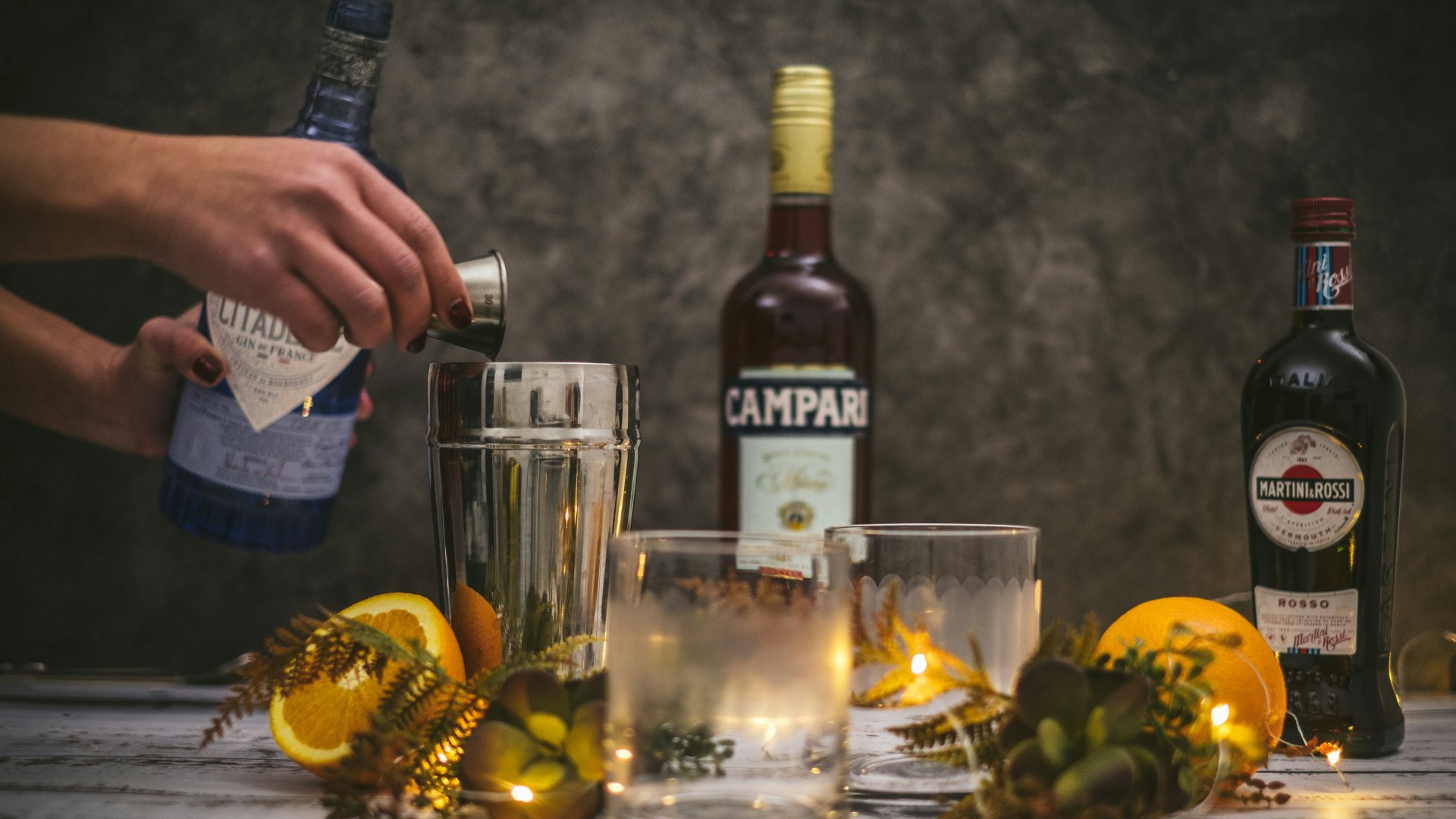
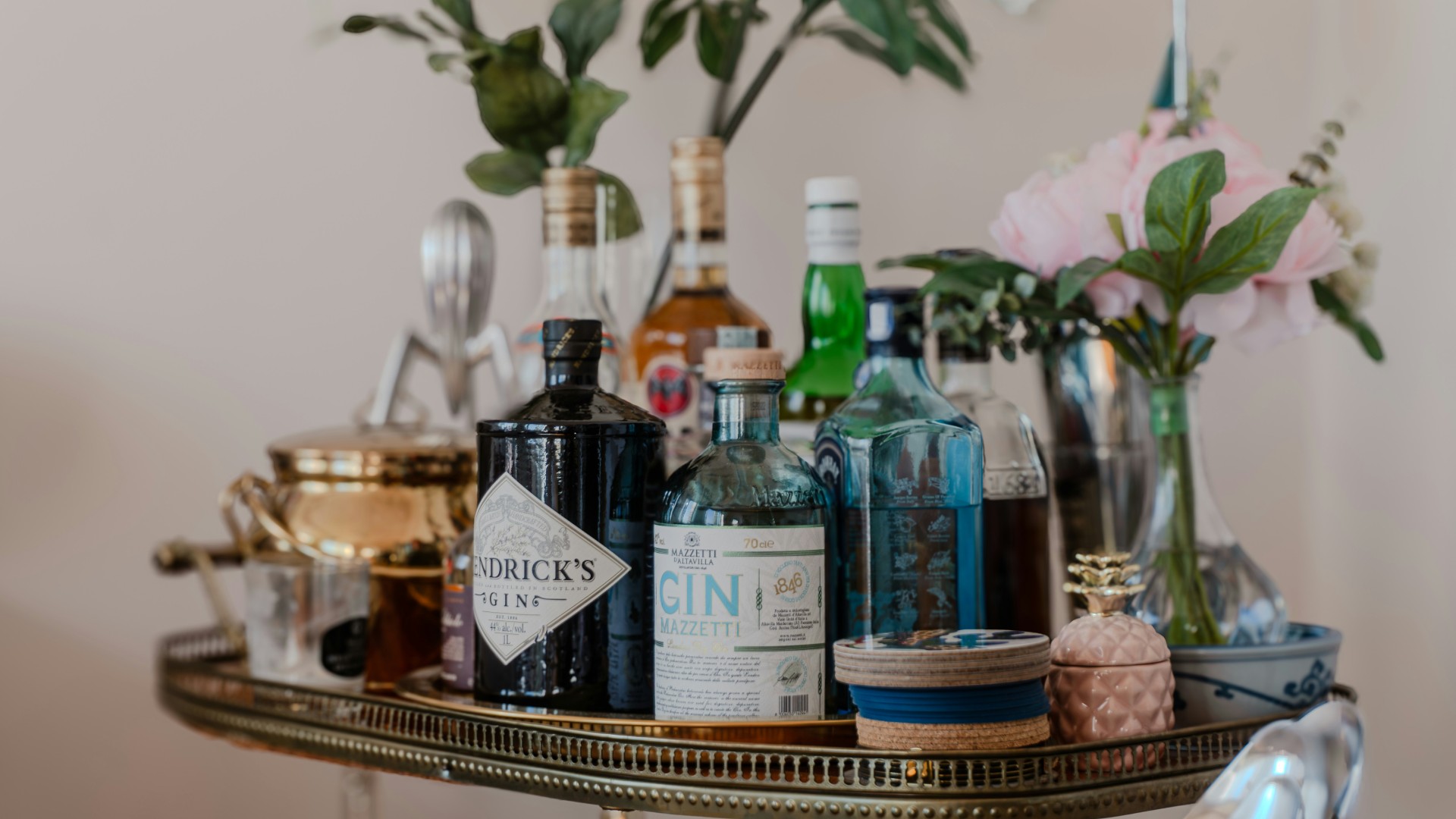
Start with a classic London dry gin, unflavoured and juniper-led; Tanqueray and Beefeater both do the work without fuss.
Add Campari, the backbone of the Negroni and the Americano, and two vermouths, one dry and one sweet.
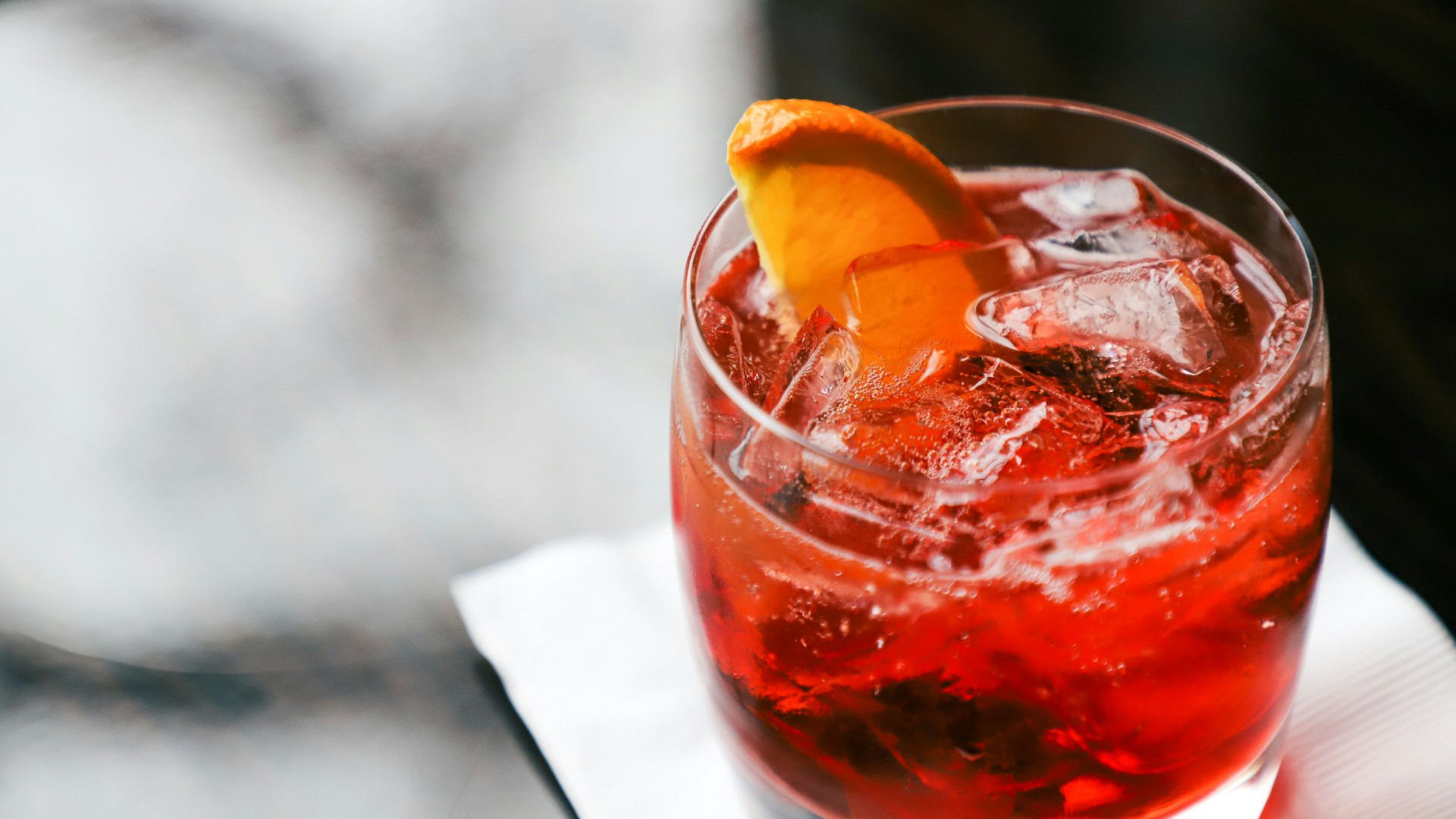
Together they give you the Martini, the Negroni, the Americano, and, with a good tonic, the gin and tonic. That covers most of what anyone wants before dinner.
Vermouth is where most home bars go wrong. It is a fortified wine, not a spirit, and once opened it oxidises.
Keep it in the fridge, buy half bottles where you can, and replace it within a month or two.
This line-up is designed to carry an entire evening, and leave nothing gathering dust.
The Flexible Middle Stretch
Two more bottles widen the range considerably.
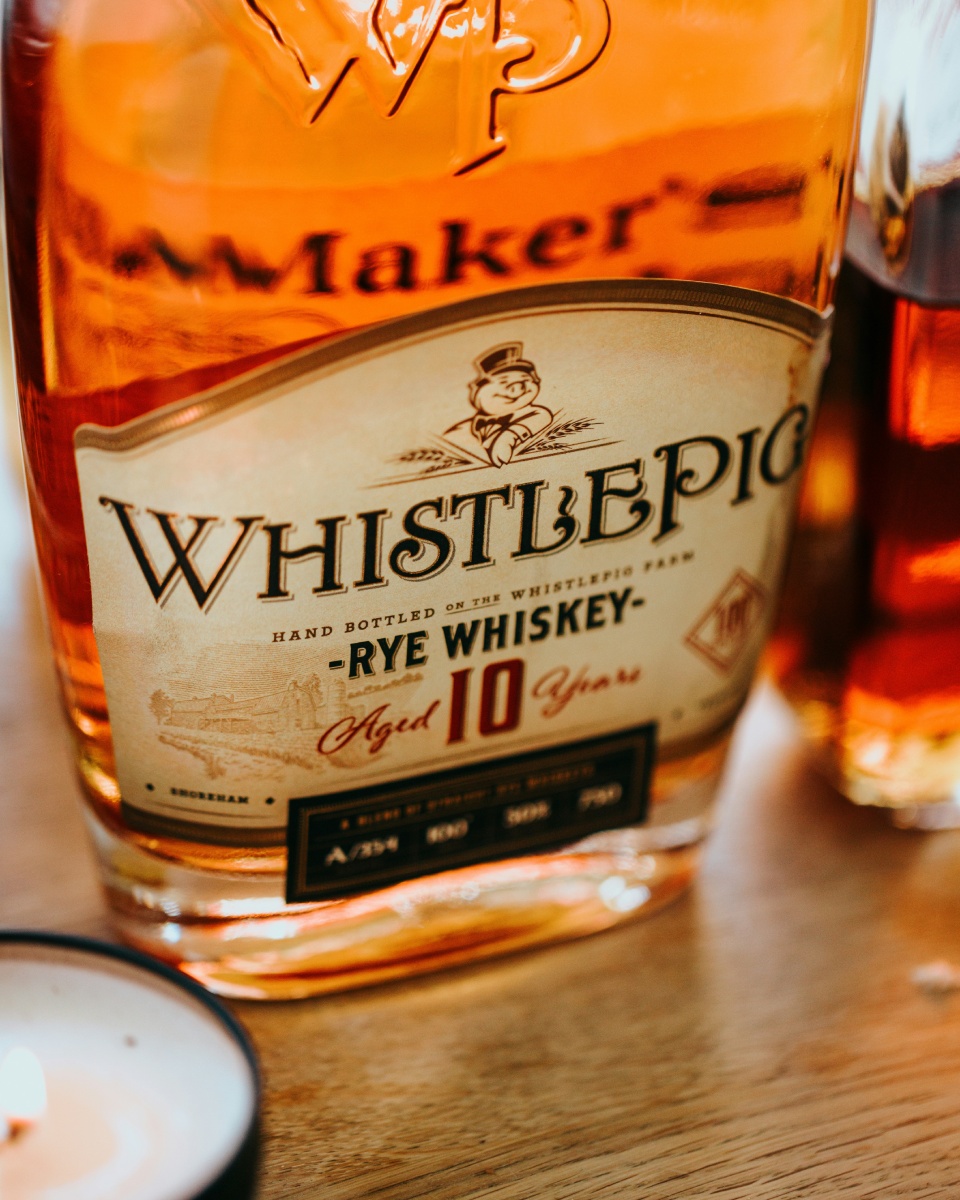
A rye whiskey, or a bourbon if your guests prefer something rounder, covers the Old Fashioned and the Manhattan, which need only sugar, the sweet vermouth already on the shelf, and Angostura bitters.
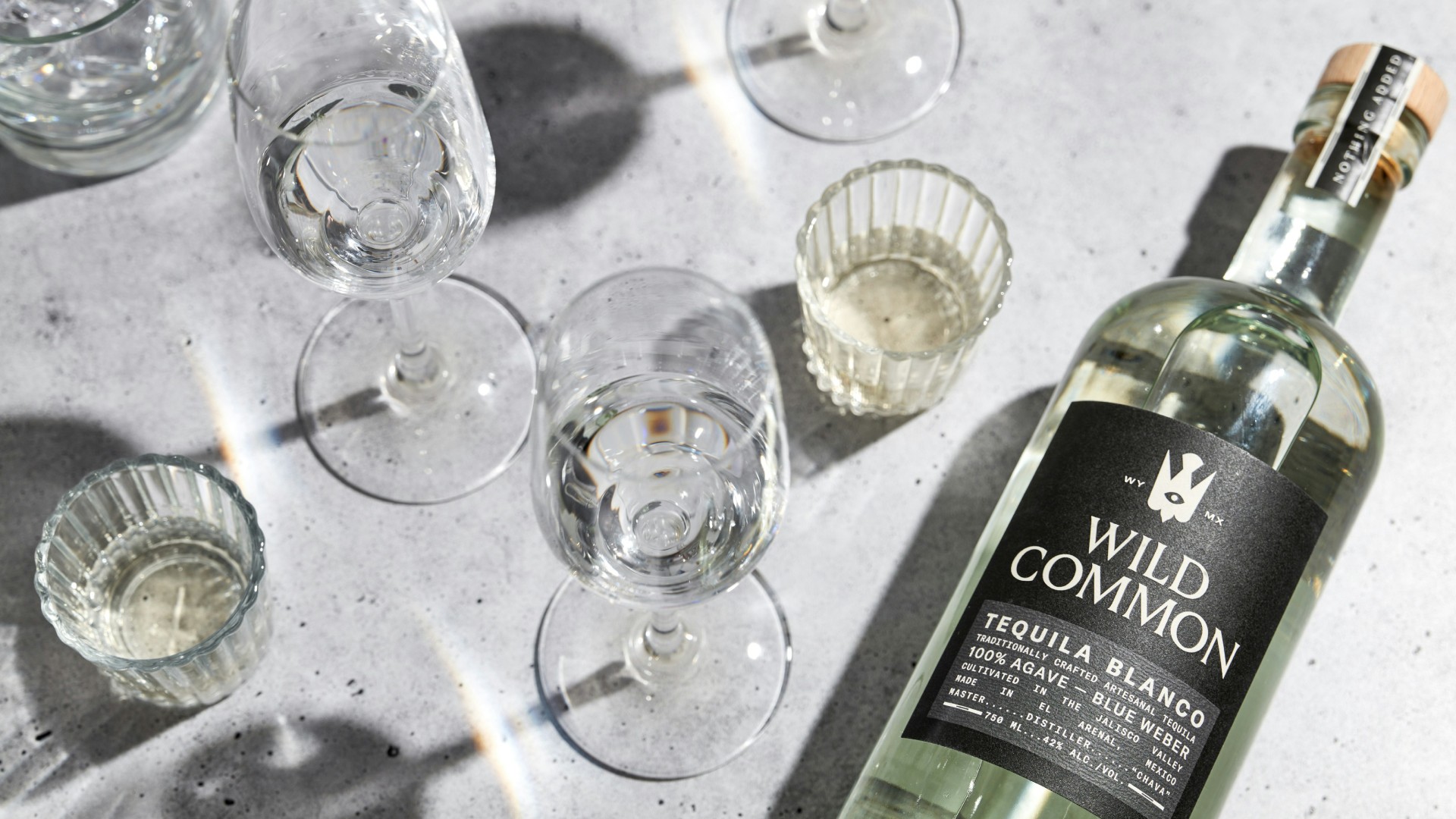
The bitters do not count against the nine. A blanco tequila made from 100 per cent agave handles the brighter end: the Paloma with grapefruit soda, or a Tommy’s Margarita, which swaps orange liqueur for agave syrup and is better for it.
In case you are wondering, Vodka is absent by design.
It contributes texture rather than flavour, and gin does nearly everything it does with more character. You can keep one for the guest who insists, but it is not a foundation.
After The Meal
The last part of the evening asks for something different: a few friends, and the bottle on the table.
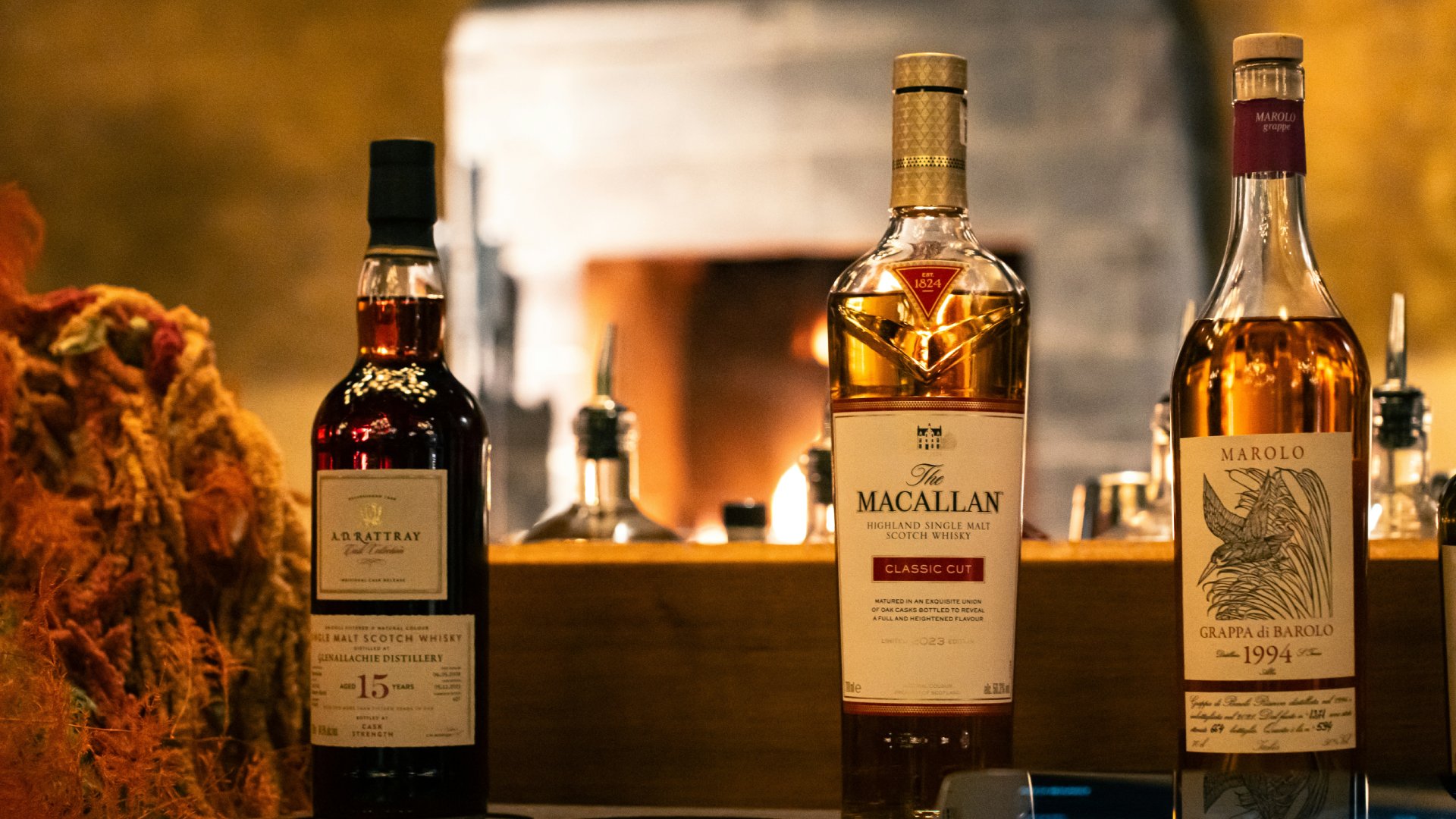
Three bottles cover it, chosen for contrast rather than prestige.
The first is a sherry-cask single malt, ideally from Speyside, with the dried fruit, spice, and weight that suit the end of a long meal.
The second is a peated Islay malt for the guest who wants smoke and salt; Lagavulin 16 remains the obvious reference, and deservedly so.
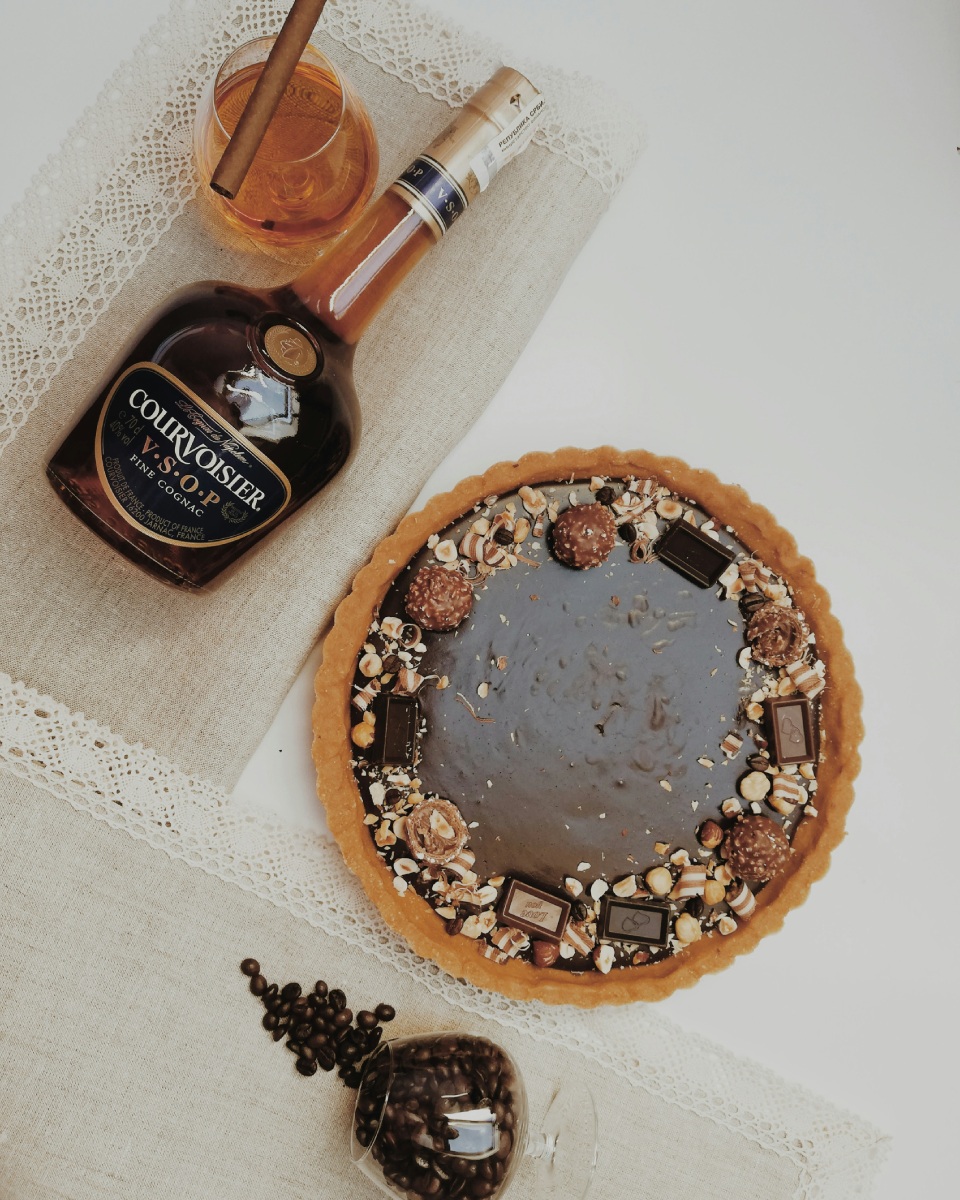
The third is a cognac or armagnac of VSOP age or older, for the friend who drinks neither malt and for the coffee that follows.
Pour neat, offer a few drops of water for the malts, and a single large cube for anyone who asks.
The Supporting Cast
You home bar may be lean, but it still shines with the right accompaniment.
Citrus bought on the day. Good tonic, soda water, and grapefruit soda. Large, clear ice for stirred drinks and the occasional whisky.
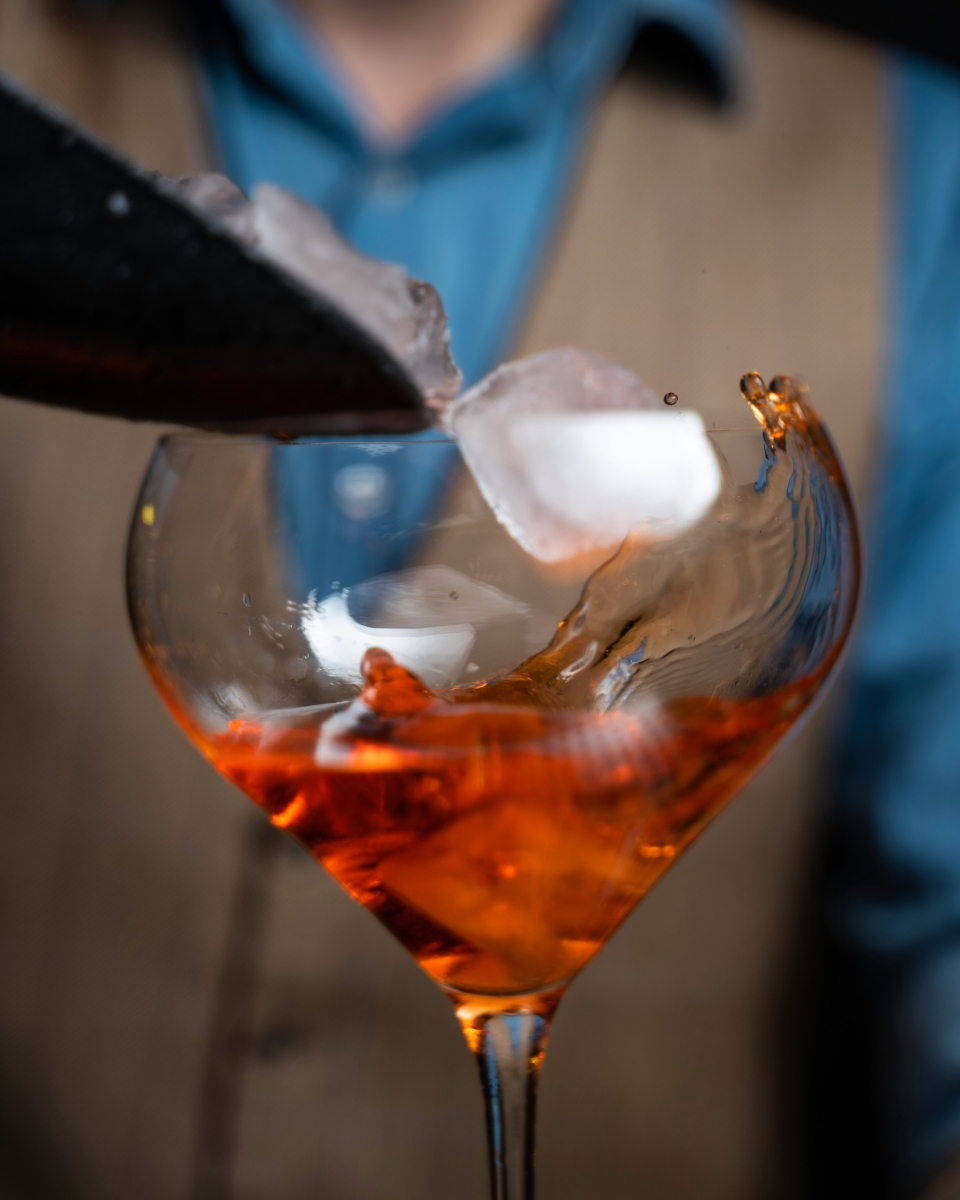
And one set of glasses for each type of drink: coupes or Nick and Nora glasses for the aperitif, rocks glasses for the Old Fashioned, and tulip-shaped nosing glasses for the malts. None of it is expensive.
The test of a home bar is not the size of the collection. It is whether, at 11pm, with the plates cleared and two friends still at the table, you can reach for exactly the right bottle without thinking.