
A Primer To Moutai, China’s National Liquor
How China’s most famous spirit is made, how to drink it, and why only some bottles hold their value.

I’ve got to admit it. I was scared of taking my first sip of Moutai.
For reasons still unknown to me, and without any shred of evidence, I ranked it as a dangerous drink.
I imagined that it tasted like rocket fuel, that it would scorch and permanently scar my oesophagus, and it would floor me after three shots in that tiny thumb-sized glass that it is often served in.
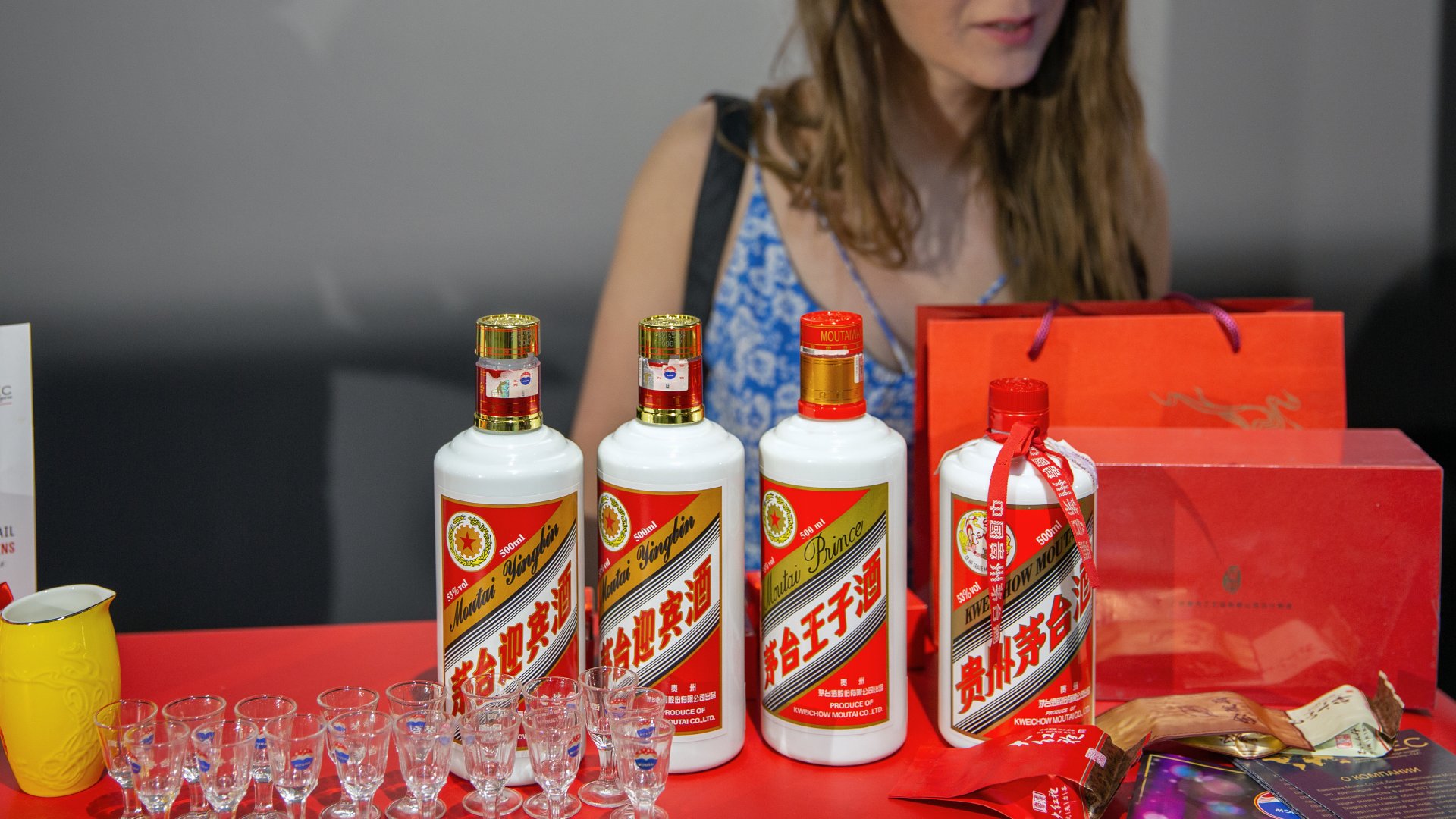
Of course, none of it was true.
I suspect I wasn’t alone in that fear. Outside China, Moutai has long carried a reputation as firewater, a standard issue at marathon banquet toasts.
However, that reputation (or rather, misconception) is changing fast.
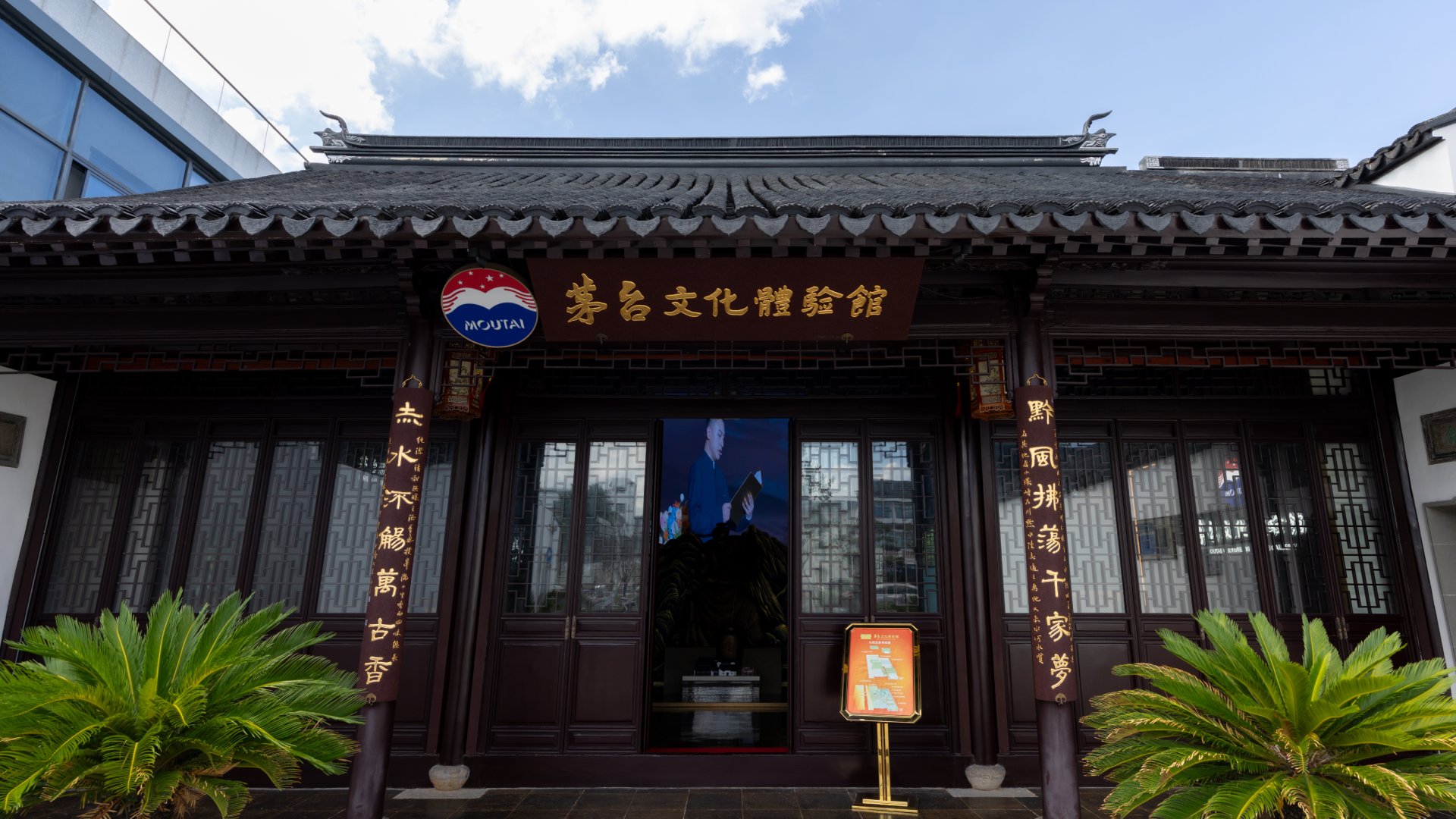
Kweichow Moutai has just opened Moutai House at the Fullerton Waterboat House, billed as its first destination of the kind in Southeast Asia. That’s three storeys of tasting, dining, and cocktails, all devoted to a single Chinese spirit.
Across the world today, its rarest bottles set records in auction rooms, and the spirit has earned its place as a fixture at diplomatic tables.
Moutai has long carried a reputation as firewater, a standard issue at marathon banquet toasts.
By The River
Moutai takes its name from Maotai, a town on the Chishui River in southwest China’s Guizhou province. The spirit as we know it today emerged during the Qing dynasty.
One may even argue that it is China’s Cognac. Moutai must come from a designated area around the town, and the name on the bottle belongs to one producer, Kweichow Moutai.
Moutai’s fame went global in 1915, when it won a gold medal at the Panama-Pacific International Exposition in San Francisco.
Perhaps its most famous moment was when Premier Zhou Enlai raised a glass of it to Richard Nixon at the state banquet in Beijing in 1972. Moutai has been a fixture of Chinese diplomacy ever since.
Distilled from local red sorghum, with a starter culture made from wheat, Moutai is classified as a ‘bai jiu’, one of the family of Chinese grain spirits.
The making follows a year-long cycle that Chinese producers sum up in one phrase: nine steamings, eight fermentations, seven distillations.
The grain ferments in solid form rather than as a liquid wash, in a series of month-long cycles.
Each distillate is then aged separately in earthenware jars for several years before the blenders put the final spirit together. It is bottled at 53 per cent alcohol.
Moutai is classified as a ‘bai jiu’, one of the family of Chinese grain spirits.
Secret Sauce
Although Moutai is a strong drink, the heat is not the entire story.
Its style is defined as ‘jiang xiang’, or sauce aroma, named for its resemblance to soy sauce.
The drink has notes of mushrooms and umami-rich soy sauce. Researchers have counted more than a thousand volatile compounds in it, which may explain why no two people describe it quite the same way.
Expect fermented grain, roasted nuts, dried fruit, and a deep savoury undertow. The first sip can be aggressive.
The real test, however, comes after the last one. Sauce-aroma bai jiu is prized for the fragrance it leaves in an empty cup.
As for that thumb-sized glass: Moutai is often consumed in shots.
But a fine Moutai deserves more patience. Pour it at room temperature into a small, tulip-shaped glass. Nose it first, then sip.
Enjoy it with food, as Chinese tradition does. At this strength it flattens delicate dishes, but it stands up beautifully to spice, which makes Guizhou’s chilli-laced cooking its natural partner.
Moutai is also turning up in cocktails, for those who prefer a gentler introduction.
Moutai deserves patience, and is prized for the fragrance it leaves in an empty cup.
Worth Collecting?
Rare Moutai sells like rare whisky. In 2021, Sotheby’s London sold 24 bottles of 1974 “Sun Flower” Moutai for approximately US$1.4 million, five times the low estimate and a record for a Moutai lot outside China.
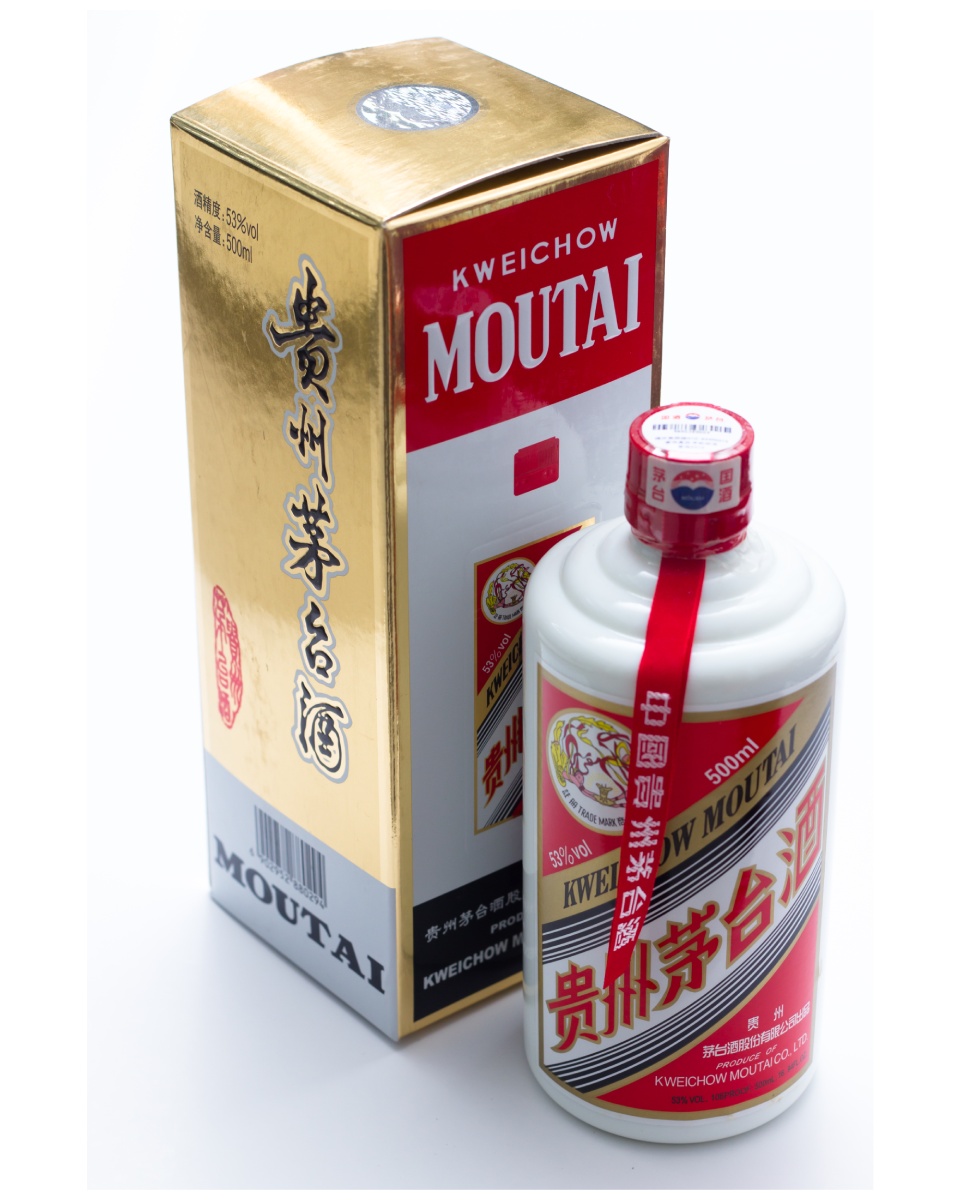
The Sun Flower label temporarily replaced the flagship Flying Fairy design on export bottles during the Cultural Revolution.
That sale was no fluke. A year later, another case of 24 Sun Flower 1974 bottles fetched approximately US$1.2 million, topping Sotheby’s spirits results for 2022.
Today, Moutai has a regular place on the auction calendar.
In 2025 alone, Sotheby’s Hong Kong held three dedicated online Moutai sales in May, September, and December.
The May sale offered 281 lots, from 50-year-old aged bottlings to rare five-litre editions. Just over 91 per cent found buyers, nearly a third sold above estimate, and the sale totalled approximately US$570,000.
Although of those prices made headlines a clear picture emerges: Moutai now draws a steady pool of collectors, not just the occasional trophy hunter.
Sotheby’s own retail figures for 2025 tell the same story: Moutai broke into its 15 best-selling names for the first time.
Moutai now draws a steady pool of collectors
The everyday bottle tells a different story. In September 2024, Feitian, the flagship Flying Fairy release, traded wholesale in China at approximately US$330, already down 15 per cent on a year earlier.
By December 2025, it had fallen to approximately US$210, below the official guide price for the first time. The company has since raised its official retail price to approximately US$240, with market prices tracking close behind.
The lesson is simple. Old bottles with clear provenance are collectibles. A current-release Feitian is a fine spirit with a price cycle. Buy that one to drink.