
Michele Chiarlo At 70: The Barbera d’Asti Bet That Transformed Piedmont
The house that won Barbera its own appellation marks 70 years with 30 vintages of Barolo Cerequio.
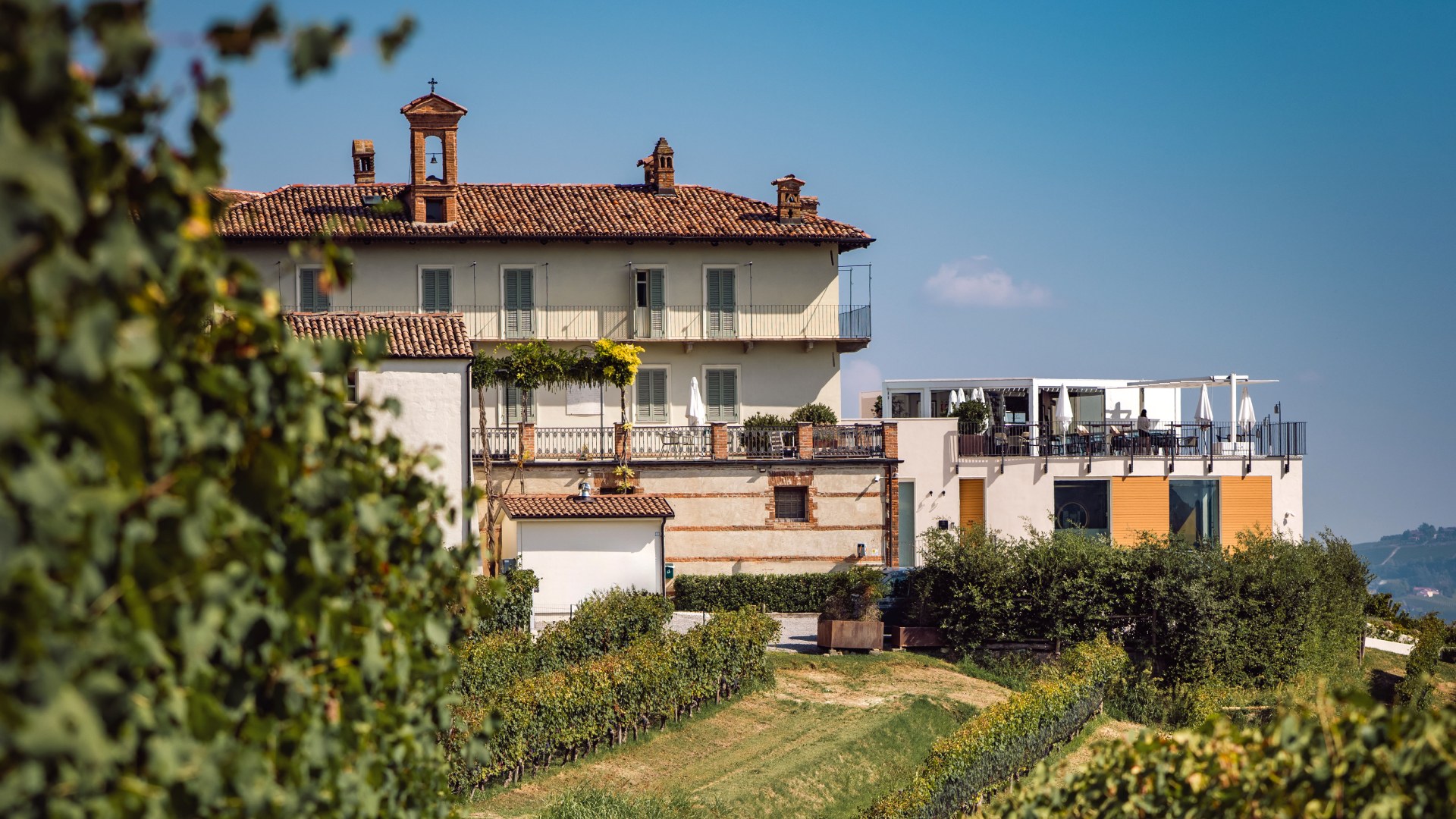
In 1956, Barbera d’Asti was what the people of Piedmont poured with dinner.
It was the region’s reliable family-table red: bright with acidity, modest in ambition, and seldom mentioned alongside the Nebbiolo wines of the Langhe.
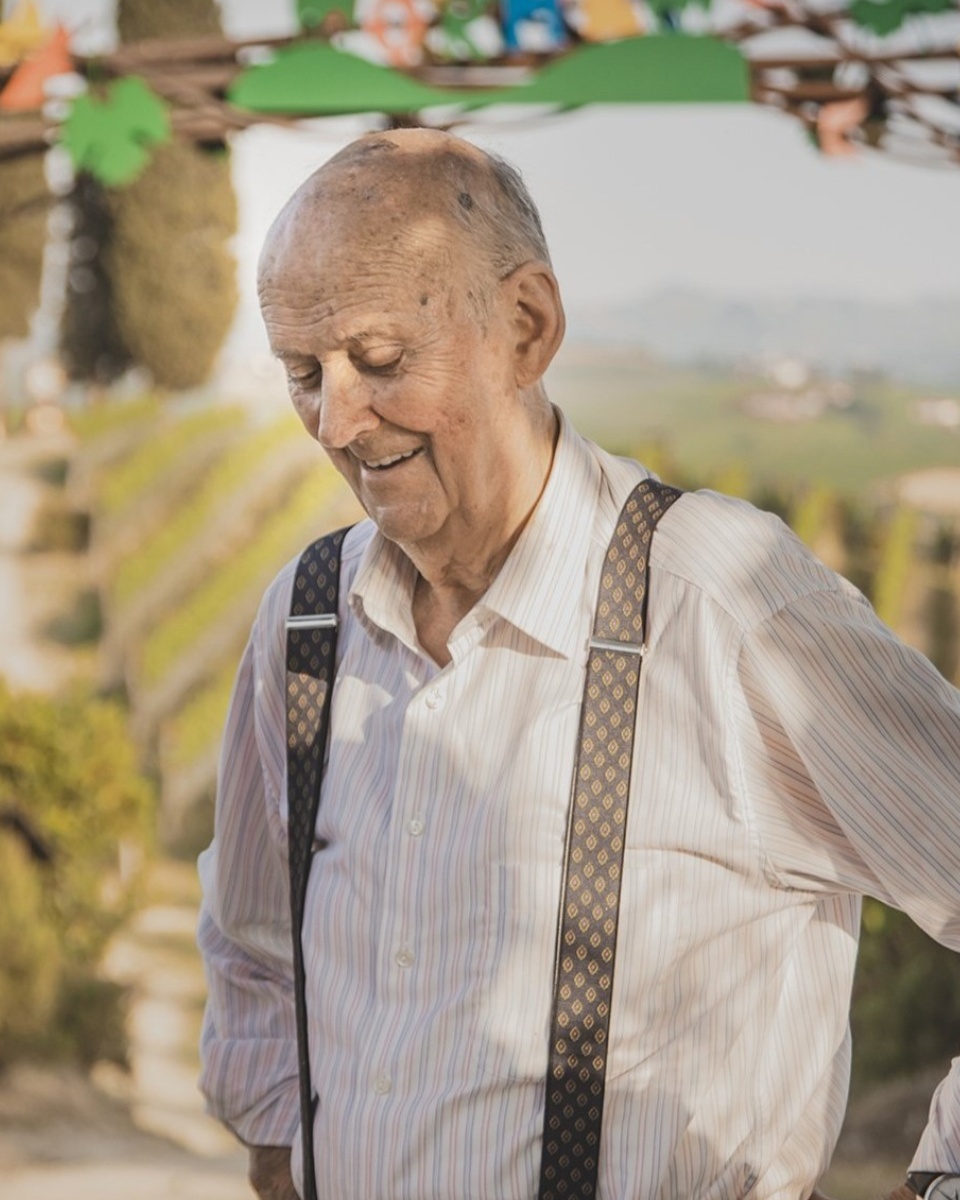
Michele Chiarlo was 23 when he founded his winery in Calamandrana that year, and he saw the grape differently.
Seventy years on, the house that still bears his name is one of those that helped change Barbera’s standing.
Chiarlo focused on quality at a time when the local economy and conventional business wisdom ran on volume.
Through the 1960s and 1970s, he paid close attention to where his grapes came from. In 1978 he released the first vineyard selections of Barolo, Barbaresco, and Barbera d’Asti.
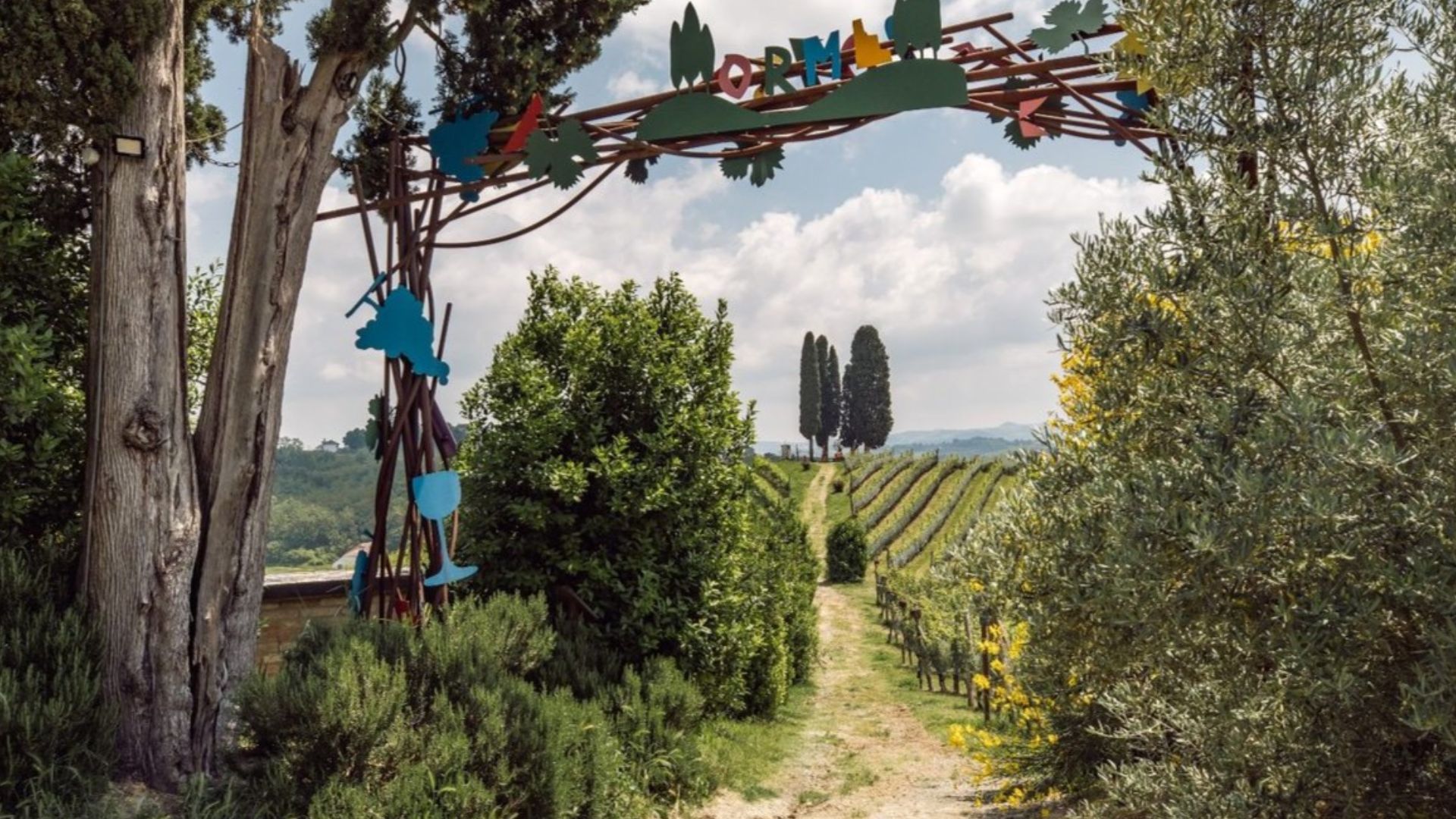
In the 1980s, the winery adopted green harvesting, then relatively uncommon in the area by the winery’s account. The practice means thinning bunches mid-season so the vine concentrates on fewer of them.
In the same decade it began taking Barbera abroad and, by its own account, was among the first producers to present the wine to buyers in North America and Asia. It sold the wine as an expression of a place rather than of a grape variety.
Chiarlo focused on quality at a time when conventional business wisdom demanded volume.
Sense Of Place
That idea of place over grape runs through everything that followed.
Single-vineyard Barbera d’Asti bottlings arrived in the 1980s and 1990s. In 1995, the family acquired Tenuta La Court in Monferrato, in the hills that now form the Nizza appellation.
In 2014, Nizza was promoted to a DOCG of its own, the highest tier in Italy’s wine classification. It is a 100 per cent Barbera denomination, and Chiarlo was one of the small group of producers who drafted its production rules.
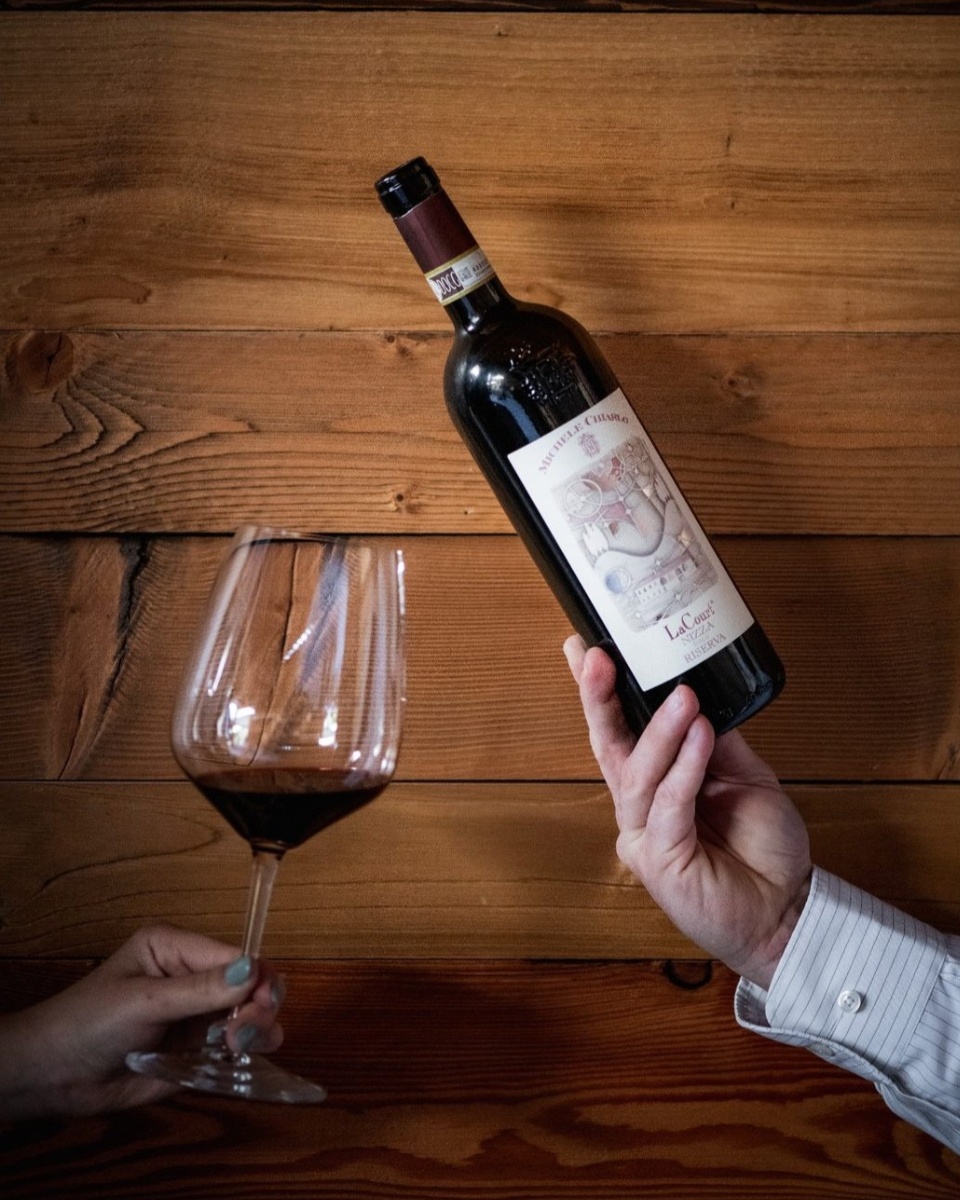
The Barolo holdings tell the same story from the other side of the Tanaro.
Chiarlo arrived in Cerequio in 1988, and in Cannubi a year later. Both are among the most historic sites in the denomination, and Asili, Faset, and Rovereto were added later.
The estate has also become a place to visit. The Art Park La Court opened among the Castelnuovo Calcea vines in 2003, and Palás Cerequio, a relais set within the cru, followed in 2011. In October 2024 came the Cannubi Path, an art trail designed by Ugo Nespolo.
Fittingly, the anniversary returns to the vineyard where the house’s Barolo story began.
Cerequio30 revisits 30 vintages of Barolo Cerequio. It amounts to a test of whether a single vineyard’s character holds through three decades of shifting weather, method, and tastes.
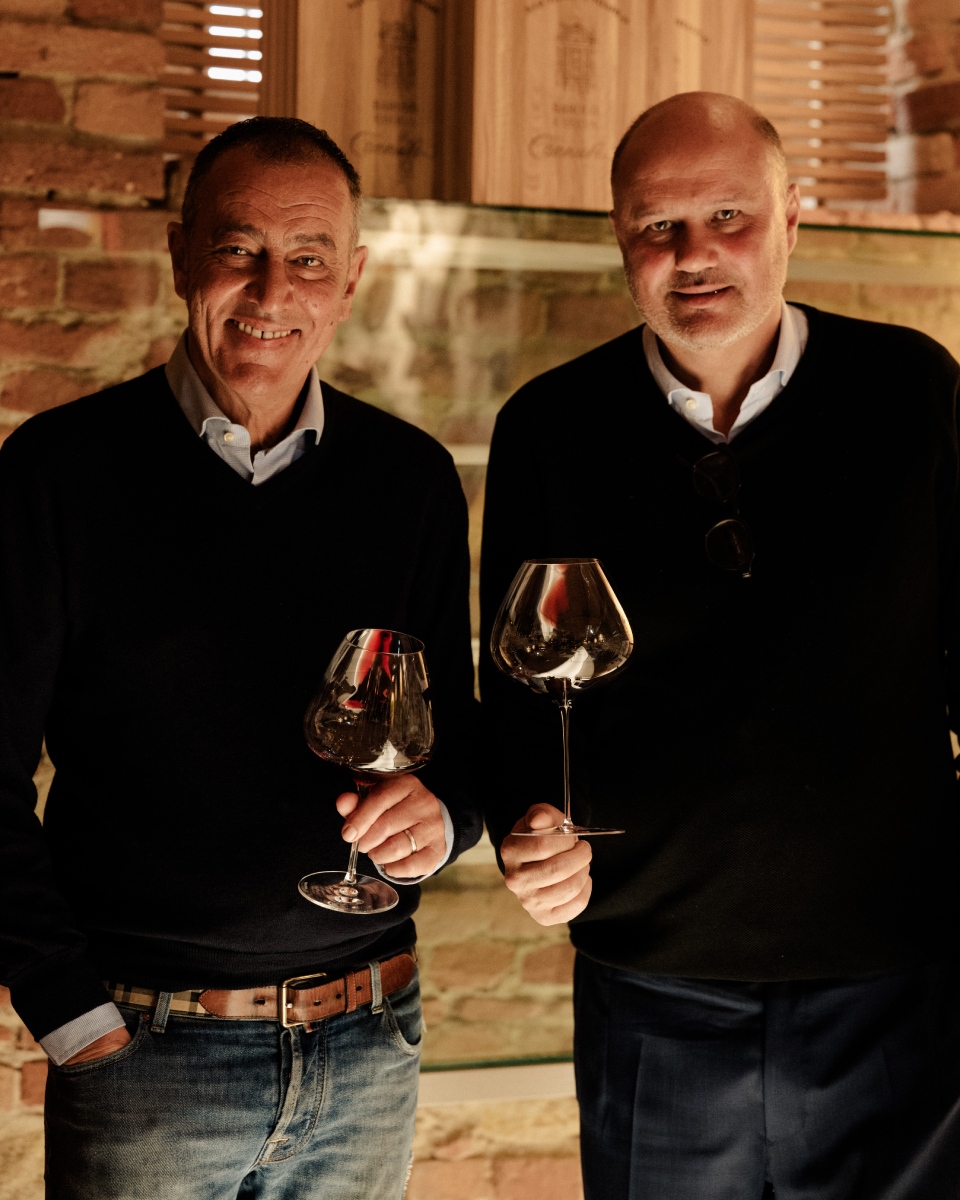
“Our father’s vision began with the conviction that Piedmont had territories and grape varieties capable of producing wines with a strong identity,” says Stefano Chiarlo. He now runs the house with his brother, Alberto, while a third generation is beginning to find its way into the business.
Seventy years ago, Michele Chiarlo took the wine of the family table and brought it to the world. Today, it has become a family legacy.